










Current Legal Update

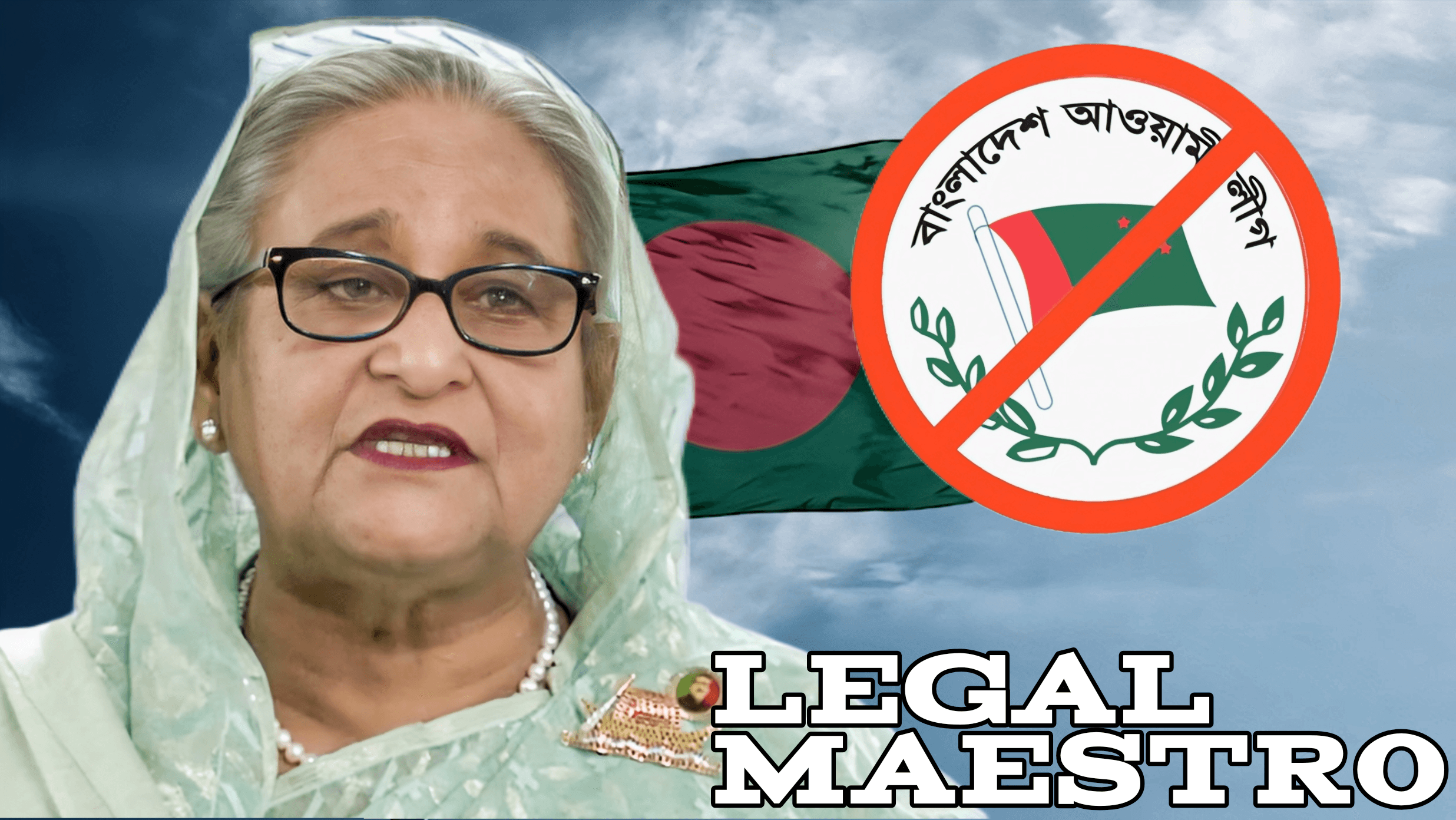
Bangladesh’s Awami League Ban: Constitutional Feasibility of Banning Political Parties in India    

The ban that Bangladesh has placed on the Awami League is investigated in this article, as is the question of whether or not India might lawfully enforce a prohibition of a similar nature. It describes the situation in Bangladesh, which includes the occurrence of huge demonstrations and the modification of anti-terror laws, and compares this to the constitutional protections that India has in place under Article 19. The Representation of the People Act and the Election Commission are responsible for regulating and supervising different political parties in India. Judicial review is used to ensure that democratic rights are protected. Several decisions made by the Supreme Court, such as the S.R. Bommai case, have established the basic structure concept, which prevents arbitrary bans. Based on the findings in the article, it is concluded that India’s system of checks and balances renders a comprehensive party ban constitutionally untenable, giving preference to targeted legal measures instead.
Current Legal Update

Legal Implications of Blocking 4PM News YouTube Channel   

When access to a news station is restricted on a digital platform, it presents a number of complicated legal problems that pit the authority of the government against the rights of individuals. An examination of the legislative structure that governs the removal of content is presented in this article. The essay focuses on the Indian context while relying on precedents from other countries. It investigates the reasons why a government would choose to prohibit a news channel on YouTube, the responsibilities of intermediaries under the Information Technology Act, and the constitutional safeguards that preserve the right to freedom of speech and expression. Shreya Singhal v. Union of India, Anuradha Bhasin v. Union of India, and the United States case Packingham v. North Carolina are all examples of landmark judgments that demonstrate how courts have struck a balance between the interests of the state and fundamental rights pertaining to individuals. The analysis highlights the importance of transparency, due process, and procedural fairness in any content-blocking regime that may be implemented.

Current Legal Update

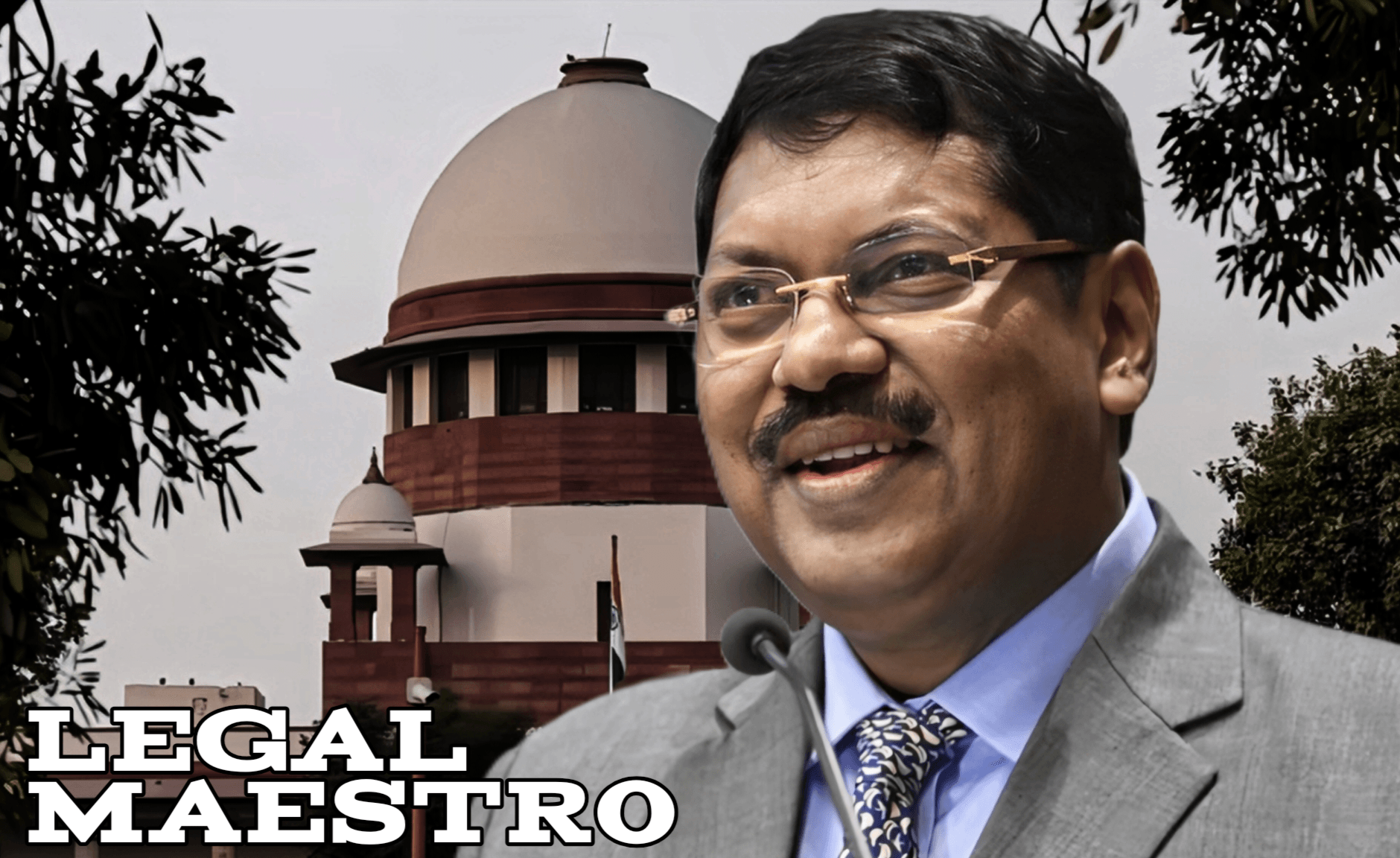
Justice B.R. Gavai’s Judicial Legacy: A Comprehensive Study of His Landmark Rulings     

The tenure of Justice B.R. Gavai on the bench of the Supreme Court is distinguished by significant decisions that strike a balance between the power of the state and the rights of individuals. He upheld constitutional principles in landmark cases such as Vivek Narayan Sharma v. Union of India on the issue of demonetisation, Association for Democratic Reforms v. Union of India on the issue of electoral bonds, Teesta Atul Setalvad v. State of Gujarat with regard to bail rights, and State of Punjab v. Davinder Singh with regard to sub-classification within reserved categories. His decisions regarding Article 370 and the prohibition of bulldozer demolitions underlined democratic accountability and procedural fairness. It is through his body of work that Justice Gavai has established his legacy as a defender of the Constitution.

Current Legal Update

Judicial Legacy of Justice Sanjiv Khanna: A Comprehensive Analysis of His Landmark Judgments     

During his time on the bench of the Supreme Court, Justice Sanjiv Khanna has made decisions that are principled and balanced as they pertain to constitutional law, electoral law, family law, and administrative law. These opinions have had a considerable impact on Indian jurisprudence. The nuanced approaches to RTI transparency, the invalidation of the Electoral Bond Scheme, the confirmation of VVPAT integrity, and the upholding of the abrogation of Article 370 are some of the significant opinions that he has issued. He utilized Article 142 for the purpose of providing direct divorce relief, fought for the implementation of stringent procedures in environmental approvals, and refined revisions to arbitral awards. A combination of judicial restraint and involvement, the protection of individual rights, the promotion of procedural fairness, and the preservation of institutional autonomy are all included in his rulings. In the future, courts and litigants will look to Justice Khanna’s legacy as a guiding beacon for their proceedings.

Current Legal Update

Indian News Channels: Criminal and Media Law Implications for Warmongering

When news organizations indulge in warmongering, they are not only participating in sensationalism; they are also putting the peace of the general people in jeopardy and straining the bonds that strengthen international relations. There are a variety of safeguards that are included in Indian legislation in order to avoid incitement and foster responsible journalism. These safeguards include criminal fines for hate speech, statutory broadcasting requirements, self-regulatory codes, and judicial oversight. To maintain the right to freedom of expression while also restricting the misuse of media influence, it is vital to have vigilant regulation, ethical self-restraint on the side of broadcasters, and an informed audience that is prepared to reject irresponsible narratives. All of these things are equally important.

Current Legal Update

Breach of Contract in Bollywood: A Contractual Analysis of Maddock Films’ Bhool Chuk Maaf Dispute with PVR Inox

As a cautionary story regarding the dangers of ignoring contractual responsibilities in the pursuit of agility, the dispute between Maddock Films and PVR Inox over Bhool Chuk Maaf serves as an example. While the proliferation of over-the-top (OTT) platforms provide filmmakers with new options, it also necessitates careful attention to the agreements that are already in place. The Bombay High Court is already preparing for additional hearings, and it is highly possible that this case will have a significant impact on future distribution deals. This will ensure that both producers and exhibitors are able to strike the appropriate balance between innovation and contractual safety.

Constitutional lawCurrent Legal Update

Constitutional Conundrum: Analyzing the Delay in Disqualifying Rajasthan MLA Kanwarlal Meena Post-Supreme Court Ruling

The actions taken by the Assembly Speaker and other authorities, as well as the actions that they do not take, will be closely followed as the time for Meena’s surrender gets closer. All of these actions will be thoroughly monitored. The democratic institutions of India will be evaluated based on the results of these elections when they are held. This evaluation will take into account the strength of these institutions as well as their capacity to act independently of partisan interests.

Current Legal Update

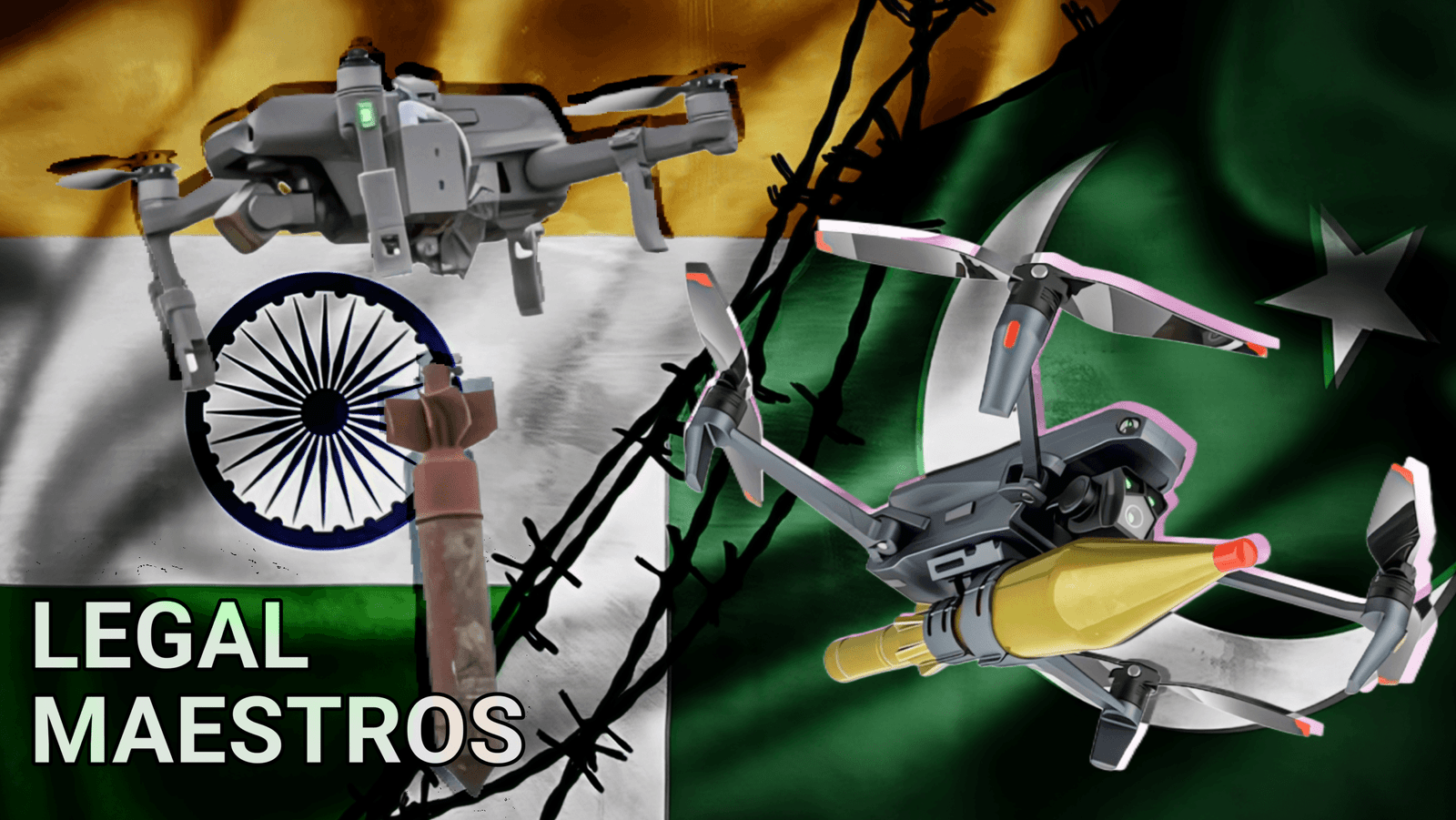
Drone Strikes and International Law: Legal Challenges and Compliance in Modern Warfare

Modern warfare now revolves mostly on drone strikes since they provide accurate, low-risk solutions for nations under security concerns. Still, under international law these activities generate difficult legal concerns. Key concerns include respect of state sovereignty in extraterritorial strikes, adherence to international humanitarian law principles like distinction and proportionality, and compliance with the prohibition of the use of force in the United Nations Charter. Technological developments especially in autonomous targeting question accepted wisdom. This paper investigates the legal systems controlling drone strikes, studies state policies and responsibility systems, and looks at measures to improve compliance to guarantee that drone use stays legal and responsible.

Intellectual Property Rights

Who Owns AI-Generated Content? Understanding Intellectual Property Rights of ChatGPT Creations in India

Without direct human authoring, artificial intelligence techniques like ChatGPT can produce text, graphics, and code. Inquiries over who owns such AI-generated material surface in India. Copyright under the Indian Copyright Act of 1957 passes to the “author,” usually a natural person or an entity creating works. The law defines “computer-generated” works as those produced without human authorship, therefore giving authorship to the individual who generates them. The Act does not, however, include specific guidelines for AI-only outputs. Growing concern is shown in recent lawsuits against OpenAI and a government expert panel assessment. For creators, platforms, and India’s creative sectors especially, clear ownership policies are essential.

Intellectual Property Rights

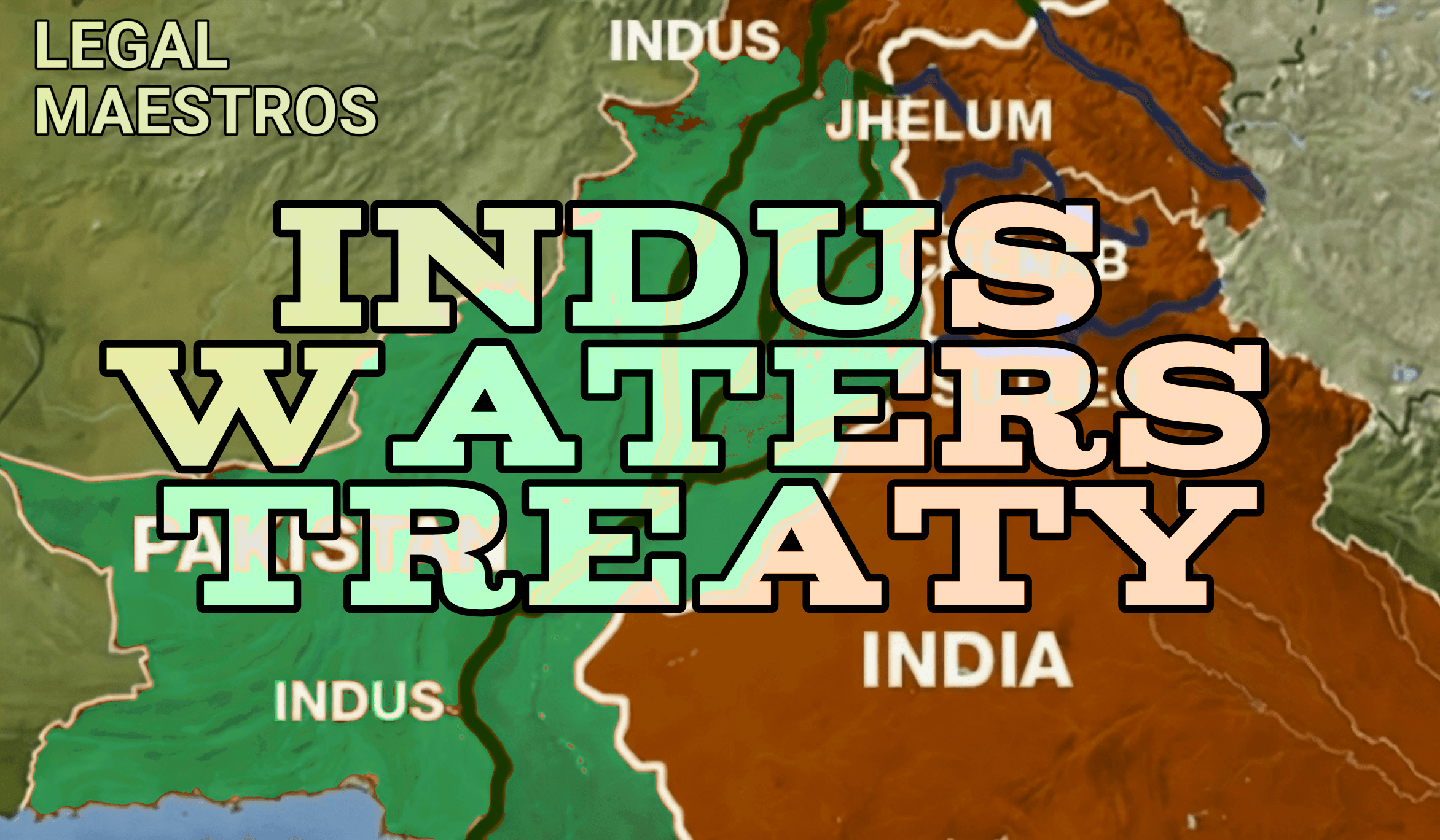
Breaking Down the Indus Waters Treaty: Provisions, Suspension, and Potential Consequences

Signed in 1960, the Indus Waters Treaty has long underwritten river sharing between India and Pakistan. It permits limited Indian use on western rivers under tight restrictions and distributes control of three eastern rivers to India and three western rivers to Pakistan. India’s recent suspension of the treaty citing security issues following a militant attack has sparked worries about water shortage, disturbance of agriculture, and higher tensions. The main terms of the treaty, its dispute-resolution procedures, the justification and legitimacy of its suspension, and possible effects on both countries are investigated in this paper. It also looks at ideas from other international water treaties and offers directions for long-lasting cooperation.