












Intellectual Property Rights

IMF Loans Explained: Eligibility Criteria and Insights into Pakistan’s Latest $7 Billion Agreement

Under well defined policies and criteria, the International Monetary Fund (IMF) offers financial aid to nations experiencing economic crisis. A nation must be a member, have balance-of-payments needs, and consent to policy changes restoring stability if it is to qualify for an IMF loan. Pakistan’s most recent deal for a $7 billion, 37-month Extended Fund Facility demonstrates its ongoing reliance on IMF finance. This agreement covers steps to improve governmental expenditure control, enhance income collecting, and protect reserves against shocks. Knowing the qualifying criteria, program framework, and Pakistan’s particular pledges helps one to better understand how IMF initiatives seek to support sustainable development while safeguarding world financial stability.
Intellectual Property Rights

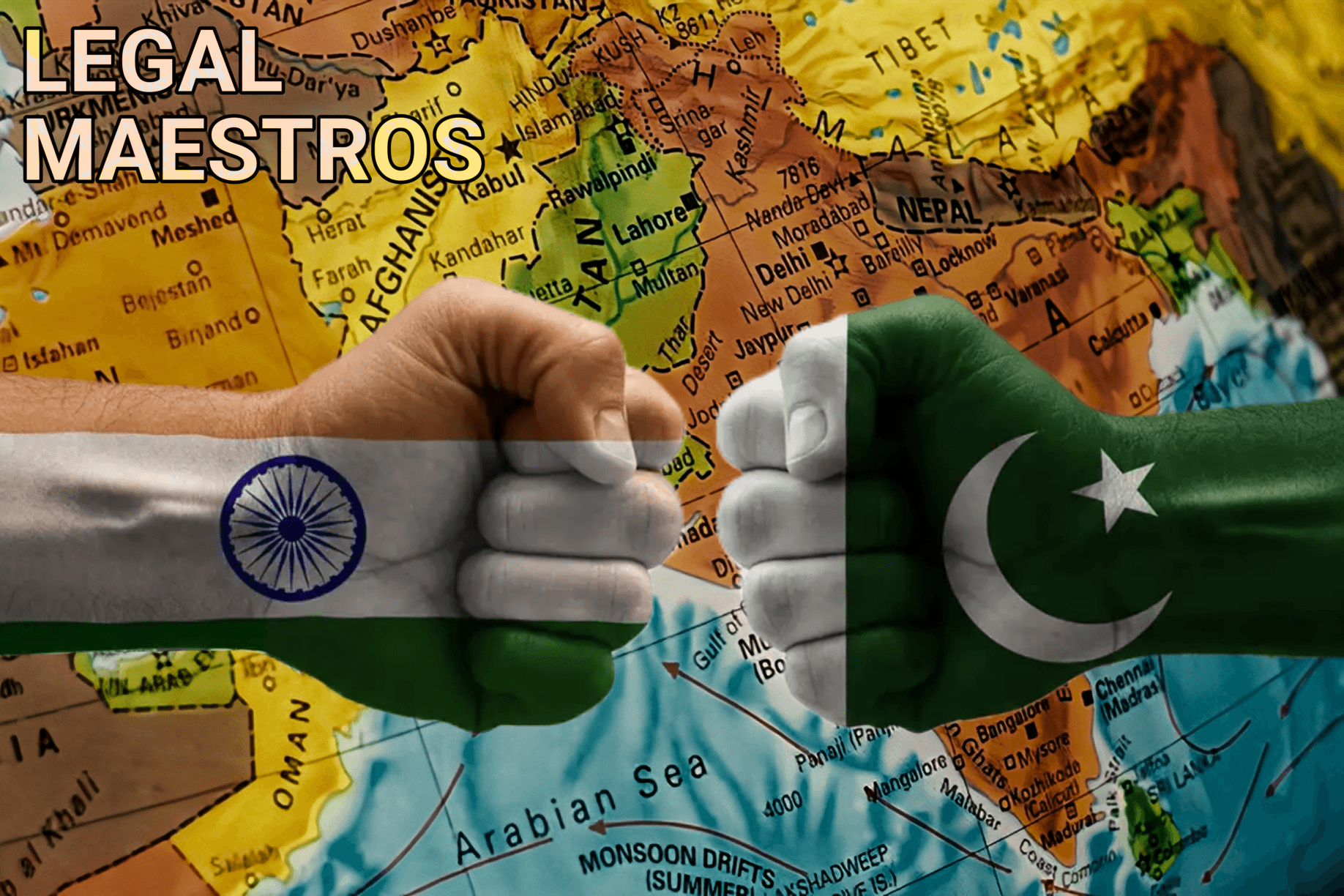
Understanding India-Pakistan Ceasefires Through the Lens of International Legal Norms 

Although India and Pakistan have gone through multiple cease-fires since 1947, breaches and mistrust still undermine efforts at peace. By means of international legal conventions, this paper investigates these cease-fires underlines the absence of official agreements and inadequate enforcement systems. It contrasts the India-Pakistan situation with world events like the Kosovo and Yom Kippur conflicts, in which UN decisions were crucial in maintaining cease-fires. According to the paper, long-lasting peace depends on formalizing agreements, including foreign observers, and tackling fundamental concerns such cross-border terrorism and Kashmir. Adopting international legal norms will help future India-Pakistan ceasefires to be more credible and successful.

Current Legal Update

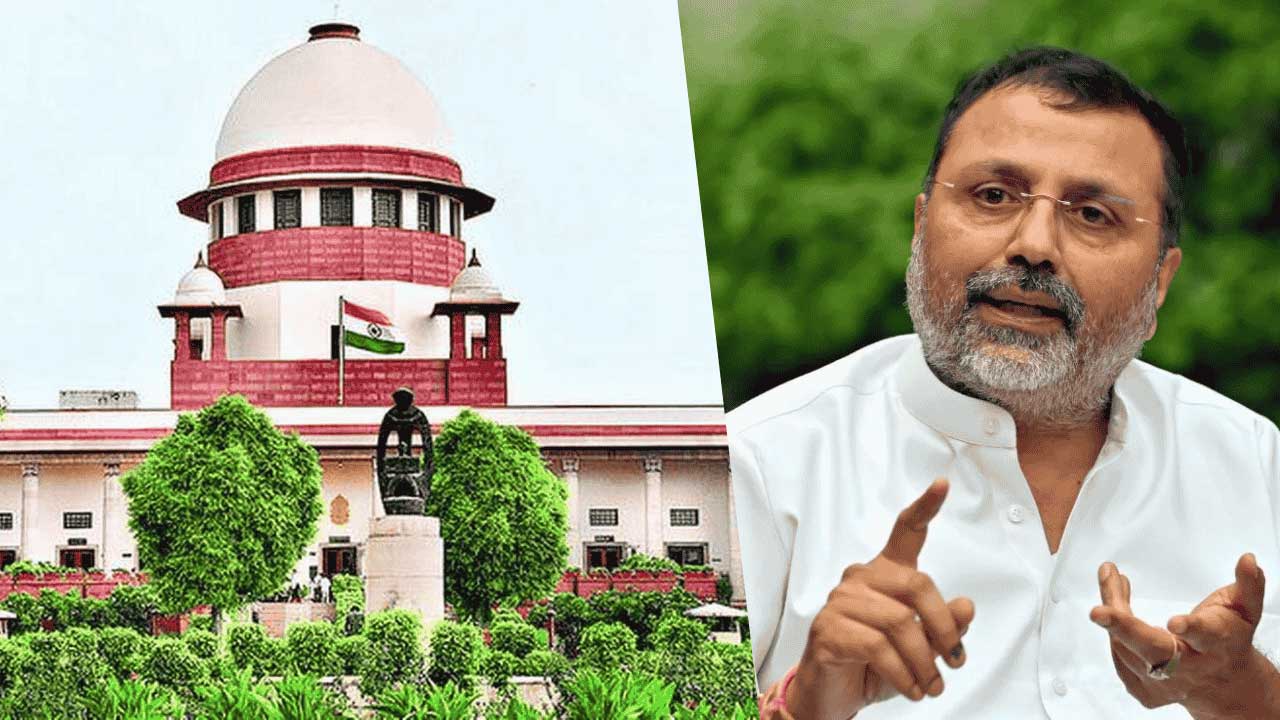
Criminal Contempt and the Judiciary: BJP MP Nishikant Dubey’s Remarks Spark Debate on Limits of Free Speech and Judicial Dignity

The controversy surrounding Nishikant Dubey’s remarks serves as a reminder of the ongoing tension between upholding judicial dignity and safeguarding free speech. As India continues to evolve as a democratic nation, it is imperative to strike a balance that respects both the authority of the judiciary and the fundamental right to freedom of expression. Engaging in open dialogues and revisiting existing laws can pave the way for a more transparent and accountable legal system.

Current Legal Update

Caste Census and the Constitution: Analyzing the Legal and Political Dimensions of Bihar & Karnataka

Through the implementation of constitutional legislation, social justice, and political strategy, the concept of a caste census in India is brought together. In spite of the fact that the Constitution has provisions such as Article 340 for the purpose of researching backward classes, the Supreme Court has limited reservations to fifty percent and emphasized the importance of scientific evidence for any increase.

Current Legal Update

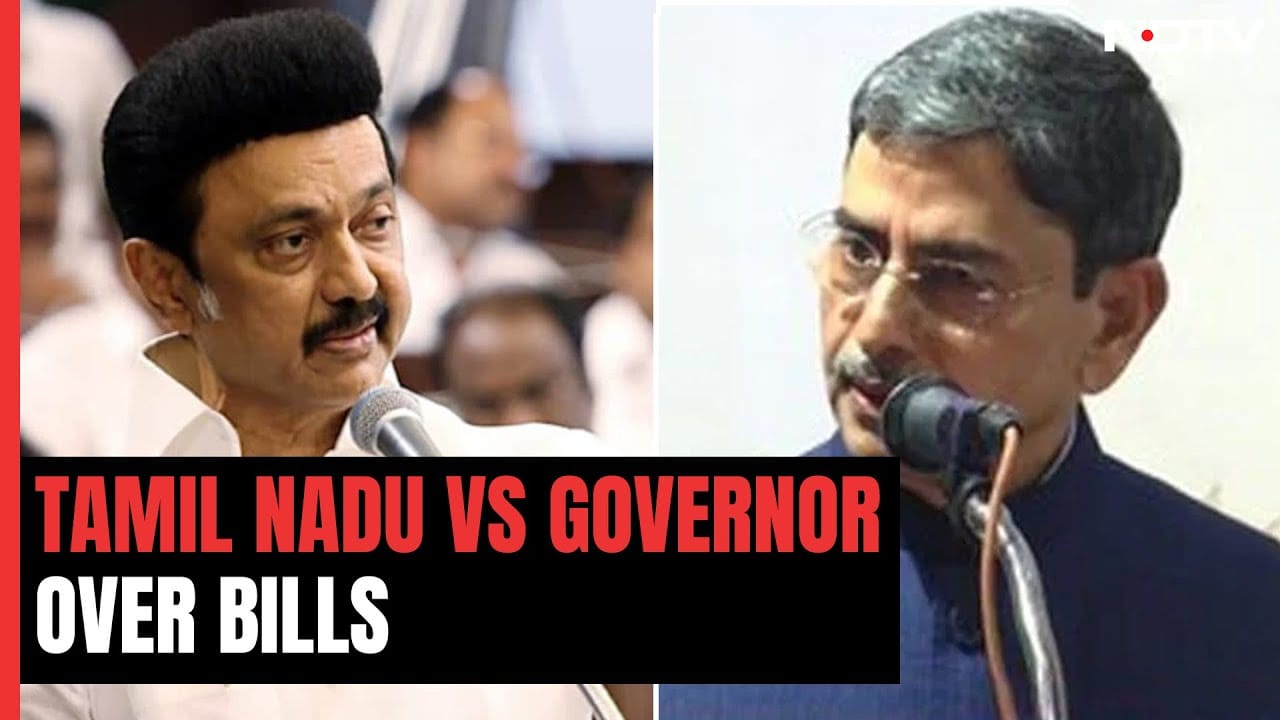
Supreme Court Limits Governor’s Powers: A Victory for Tamil Nadu’s Chief Minister

The Supreme Court’s verdict on the authority of the Tamil Nadu governor concerning state legislation is a notable milestone in the development of India’s democratic process. It emphasizes the central role of the re-passage mechanism in validating the will of the people as articulated through their elected representatives. The case has brought to the fore the fine balance that has to be struck between the roles of constitutional officials and the legislature. For Chief Minister M.K. Stalin and the state government, it is not just a legal triumph but also a reaffirmation of democratic principles and the vital importance of establishing clear lines of command.

Current Legal Update

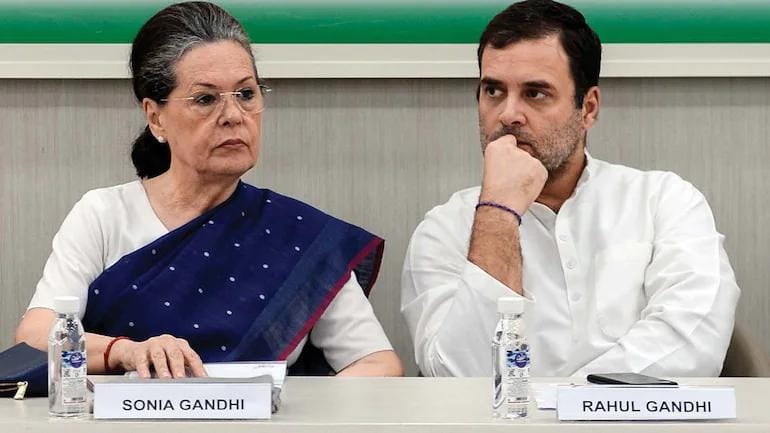
The National Herald Saga: Unraveling the Legal Battle Involving Rahul Gandhi, Sonia Gandhi, and Alleged Corporate Misconduct

The case of the National Herald is a significant convergence of corporate governance, legal responsibility, and political crisis. With fraud and mismanagement charges against some of India’s top politicians, including Sonia Gandhi and Rahul Gandhi, the trial has not only been eyed for its legal contours but also for its transformative role in recalibrating popular faith in democratic institutions. Legal provisions under the Companies Act, the Indian Penal Code, and other regulatory environments are at the heart of analysis of the case, while judgments in landmark cases offer useful insight into the responsibilities of corporate as well as political leaders.

Current Legal Update

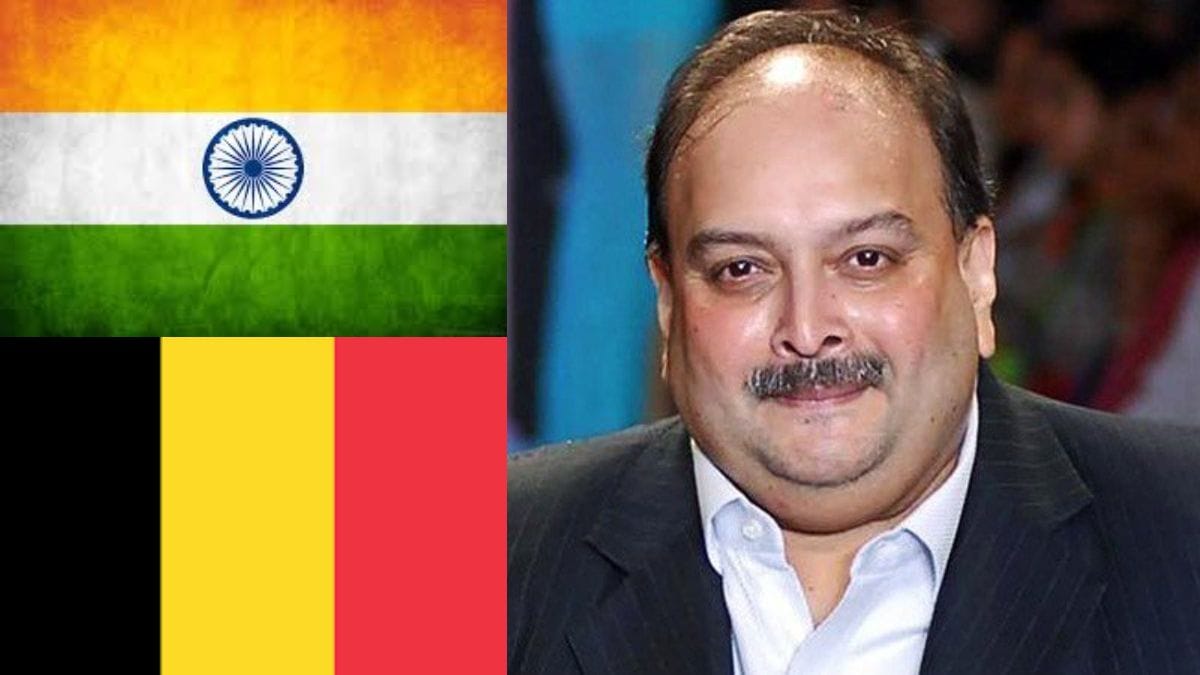
Extradition Treaty and the Case of Mehul Choksi: Legal Framework and Implications

The case of Mehul Choksi reveals the difficulties inherent in extraditing complex, high-profile financial crime cases that traverse international borders. As the courts proceed, continued careful examination of extradition requests based on the proven legal framework as well as the Supreme Court mandates is crucial. The decision will not only be relevant to those involved but can also establish vital precedents regarding future extradition trials in India. It reiterates Indian courts’ commitment to protecting both international criminal cooperation and the basic rights assured to all citizens under the Constitution.

Current Legal Update

Jaipur Incident Highlights Strict Hit-and-Run Laws in BNS 2023

The Jaipur case has brought to the fore the imperative need for tougher laws to deter hit-and-run cases and provide justice to victims. Although the Bharatiya Nyaya Sanhita 2023 brings in reforms that are necessary, it is important to balance the enforcement of the laws with the realities of driving. There must be continuous dialogue between the government and stakeholders to develop a legal framework that is effective and equitable.

Current Legal Update

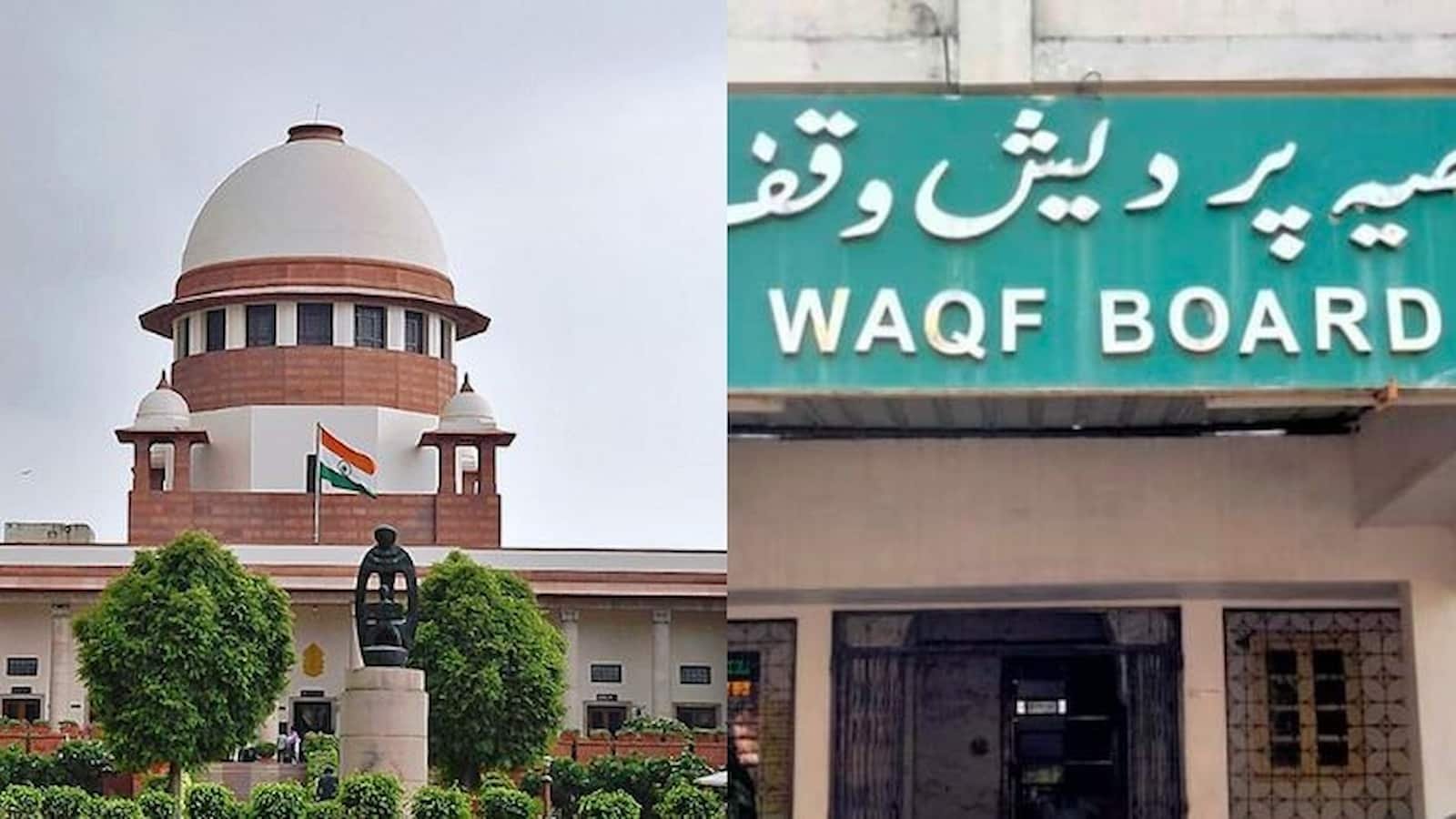
Supreme Court to Decide Fate of Waqf Amendment Provisions

The soon-to-be reviewed Waqf (Amendment) Act, 2025, by the Supreme Court is a turning point in India’s recent debate regarding religious autonomy, rights of minorities, and state oversight. The provisions in the Act, such as adding non-Muslim members to Waqf Boards and granting government officials authority in disputes regarding property, have sparked discussion surrounding the power balance between secular administration and religious self-governance. While the government promotes transparency and inclusivity, critics are concerned about possible violations of constitutional safeguards given to religious minorities.

Current Legal Update

Supreme Court to Decide Fate of Waqf Amendment Provisions

The Waqf (Amendment) Bill, 2024, has set off a multifaceted debate at the confluence of law, religion, and administration. While the government’s intention is to increase transparency and efficiency, the suggested modifications have caused widespread concern among Muslim organizations and legal professionals regarding autonomy and minority rights. While the Supreme Court weighs the provisions of the bill, its judgment will not just decide the destiny of waqf administration in India but will also establish a pivotal precedent in the state’s relationship with religious institutions.