Constitutional law

The Role of Affirmative Action in Shaping the Indian Constitution’s Commitment to Social Justice

This article follows the role affirmative action played in forming the commitment of the Indian Constitution to social justice, tracking its historical setting and implementation via constitutional provisions. It examines several judicial precedents, such as Indra Sawhney v. Union of India, in discussing the consequences of these policies for education, employment, and political representation. The narrative explores scholarly debates while bringing out success stories and limitations of affirmative action in India. This analysis underlines the continuous evolution of the Indian legal framework in terms of promoting equality and rectifying historical injustices.

CRIMINAL LAW

Impact of BNS, BNSS, and BSA on Modernizing Criminal Justice Procedures

This article explores the transformative impact of the Bharatiya Nyaya Sanhita (BNS), Bharatiya Nagarik Suraksha Sanhita (BNSS), and Bharatiya Sakshya Adhiniyam (BSA) on India’s criminal justice system. These laws aim to modernize procedures by integrating technology, enhancing forensic use, and redefining crimes for contemporary relevance. The discussion covers their potential to streamline judicial processes, protect rights, and the challenges in implementation.

CRIMINAL LAW

The Role of Public Prosecutor in the Indian Criminal Justice System

This article is a study on the Public Prosecutor’s role within India’s criminal justice system and their duties in legal representation towards ensuring justice. It elaborates on the Code of Criminal Procedure, ethical obligation, and problems that prosecutors are faced with in terms of the heavy caseload and resource issues. The account also covers judicial oversight to remain impartial and training. The piece underscores the sense of duty for the prosecutor in securing justice and not just winning convictions.

Constitutional law

The Right to Life and the Death Penalty: Exploring the Conflict Between Capital Punishment and Human Dignity

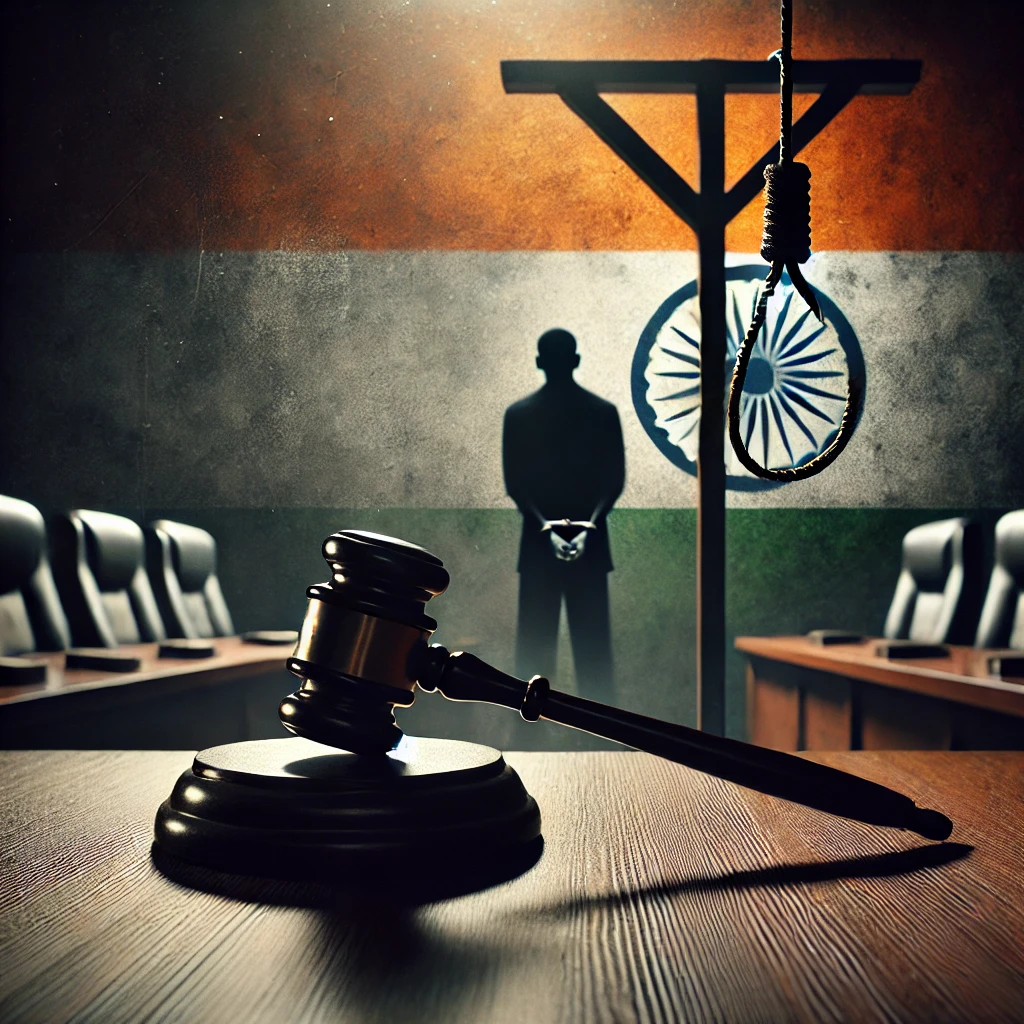
This article will look at the issue of right to life and how it clashes with capital punishment: whether the very nature of the death penalty is in conflict with human dignity. It will review or consult on legal precedents from the U.S. and India, whereby courts try to balance state retribution with human rights. Then come philosophical arguments, the deterrence debate, risk of executing an innocent, and global trends toward abolition. It has underlined the moral and ethical dilemmas surrounding capital punishment by questioning its compatibility with the basic human right to life and dignity.

Constitutional law

The Right to Life and Environmental Justice: How Environmental Degradation Threatens Human Life

This article will look into the confluence of the right to life and environmental justice, analyzing how environmental degradation is a direct threat to human existence. The paper will also examine how pollution, climate change, and resource depletion infringe on the most fundamental human right-to live in a healthy environment. The article talks about legal precedents in India and around the world where courts have interpreted environmental protection as part of human rights, advocating for environmental justice to ensure equitable protection from environmental hazards.

CRIMINAL LAW

The Legal and Constitutional Framework of the Death Penalty in India

This abstract discusses the legal and constitutional framework of death penalty in India, tracing it through judicial interpretation and legislative amendment. It outlines key Supreme Court decisions such as Bachan Singh v. State of Punjab which established the doctrine of ‘rarest of rare’ for the capital punishment case and delves into the tension between justice and human rights. The paper also takes into account the public opinion, the role of executive clemency and the influence of international human rights norms, on Indian law.

CRIMINAL LAW

Impact of the Supreme Court Judgment on the Practice of Triple Talaq

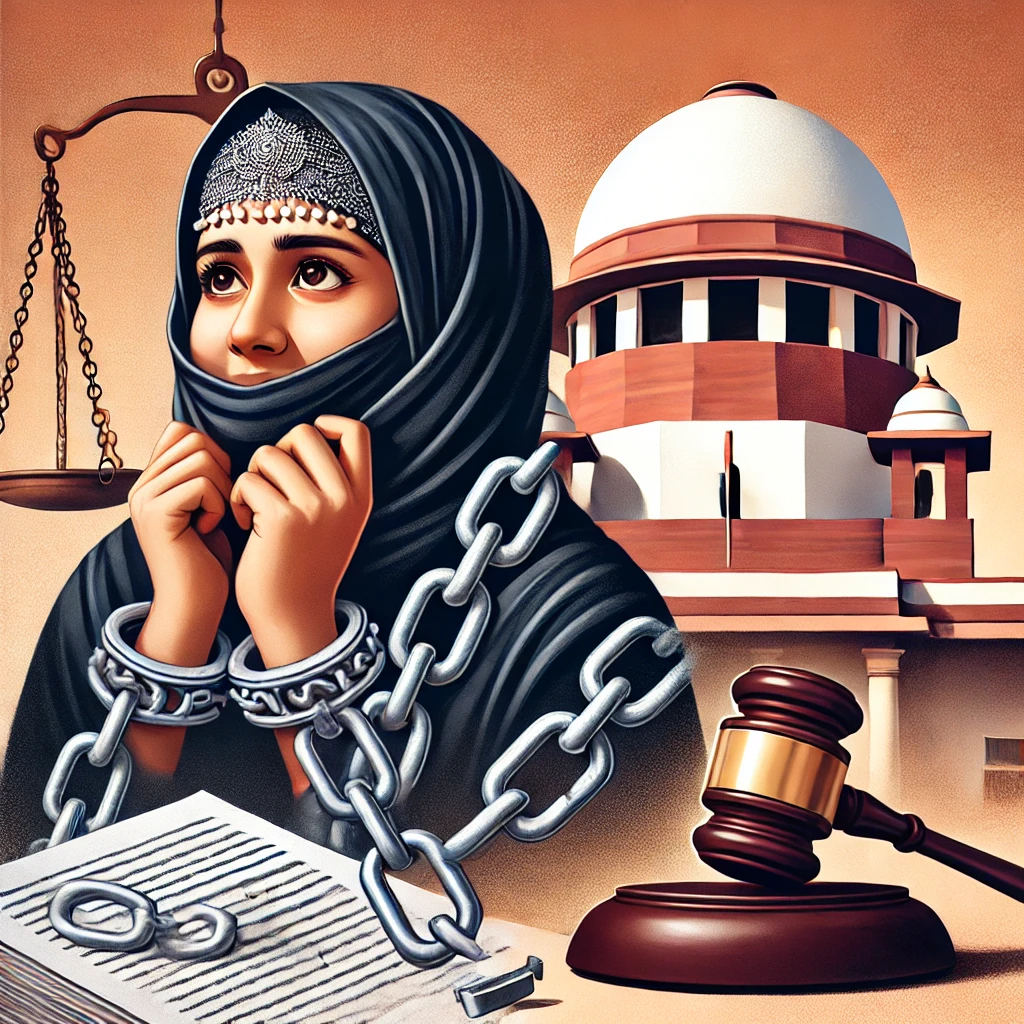
The 2017 Supreme Court judgment declaring Triple Talaq unconstitutional has significantly impacted Indian Muslim personal law, bringing about legislative reforms and a shift in society towards gender justice. The court’s declaration of this practice as arbitrary catalyzed changes in legal frameworks, social norms, and cultural debates within the community. This article explores the multifaceted repercussions of the ruling, from legal protections to cultural resistance, highlighting the ongoing journey towards equality. The judgment has sparked a national conversation on the intersection of religion, law, and women’s rights, setting a precedent for future reforms.

CRIMINAL LAW

Prosecutorial Withdrawal in the Indian Criminal Justice System

Prosecutorial withdrawal in the criminal justice system in India, under Section 321 of the CrPC, enables a discontinuance before judgment is pronounced. Judicial consent is necessary for judicial-authorised public prosecutors to exercise such discretion, ostensibly in the cause of justice but with all the opportunities for misuse on grounds of politics. This article discusses the legal framework, judicial oversight, and ethical implications of prosecutorial withdrawal, assessing its impact on the fairness and integrity of criminal trials. It underscores the need for balanced application to prevent the erosion of public trust in the judicial process.