Why Four Amendments Introduced via Finance Act 2017 Are Unconstitutional
A legislation that was enacted in the Parliament of India is the Finance Act, 2017, which introduced a lot of…
Keeping Pace with Legal Change
A legislation that was enacted in the Parliament of India is the Finance Act, 2017, which introduced a lot of…
Without direct human authoring, artificial intelligence techniques like ChatGPT can produce text, graphics, and code. Inquiries over who owns such AI-generated material surface in India. Copyright under the Indian Copyright Act of 1957 passes to the “author,” usually a natural person or an entity creating works. The law defines “computer-generated” works as those produced without human authorship, therefore giving authorship to the individual who generates them. The Act does not, however, include specific guidelines for AI-only outputs. Growing concern is shown in recent lawsuits against OpenAI and a government expert panel assessment. For creators, platforms, and India’s creative sectors especially, clear ownership policies are essential.
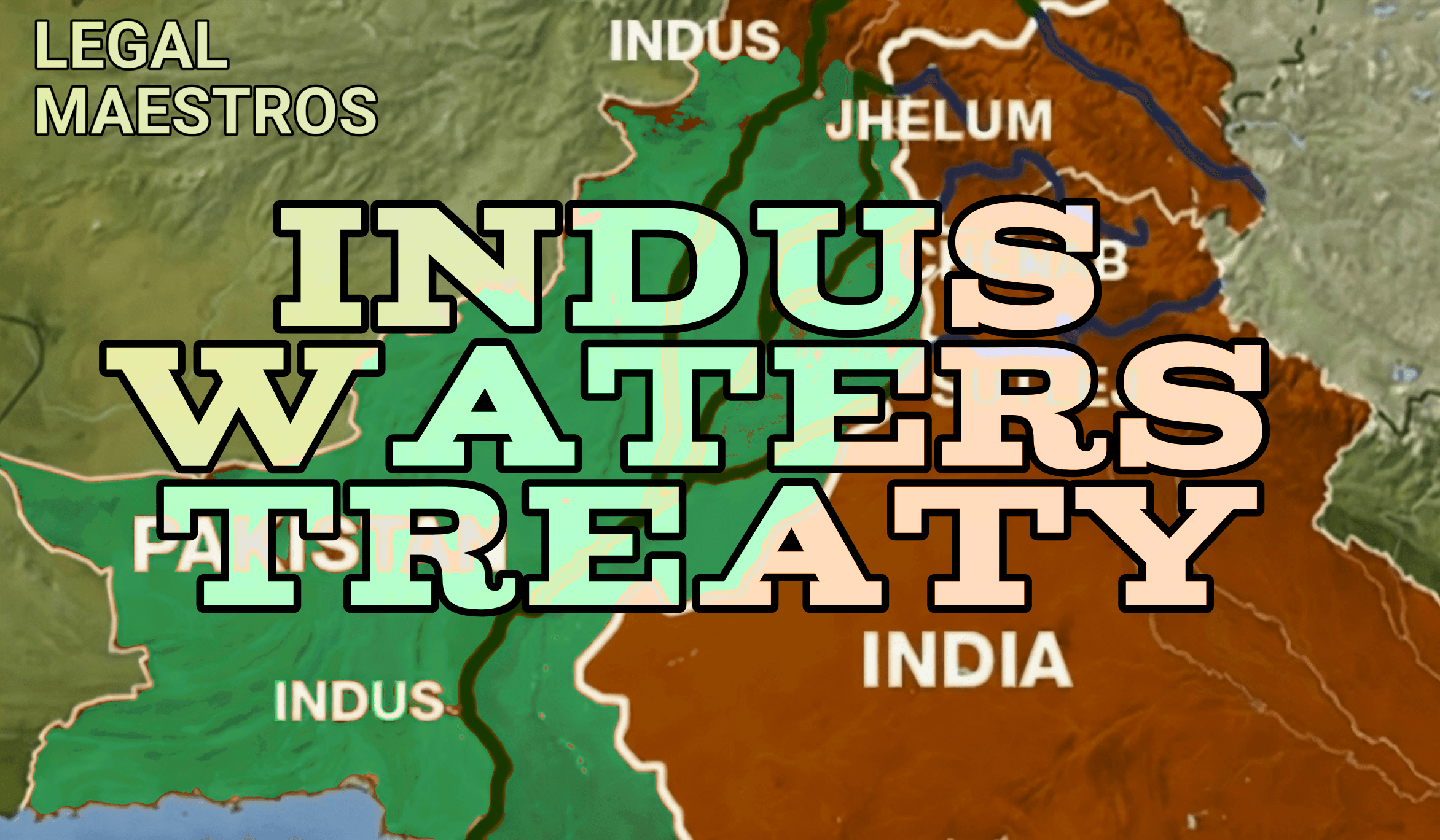
Signed in 1960, the Indus Waters Treaty has long underwritten river sharing between India and Pakistan. It permits limited Indian use on western rivers under tight restrictions and distributes control of three eastern rivers to India and three western rivers to Pakistan. India’s recent suspension of the treaty citing security issues following a militant attack has sparked worries about water shortage, disturbance of agriculture, and higher tensions. The main terms of the treaty, its dispute-resolution procedures, the justification and legitimacy of its suspension, and possible effects on both countries are investigated in this paper. It also looks at ideas from other international water treaties and offers directions for long-lasting cooperation.
Under well defined policies and criteria, the International Monetary Fund (IMF) offers financial aid to nations experiencing economic crisis. A nation must be a member, have balance-of-payments needs, and consent to policy changes restoring stability if it is to qualify for an IMF loan. Pakistan’s most recent deal for a $7 billion, 37-month Extended Fund Facility demonstrates its ongoing reliance on IMF finance. This agreement covers steps to improve governmental expenditure control, enhance income collecting, and protect reserves against shocks. Knowing the qualifying criteria, program framework, and Pakistan’s particular pledges helps one to better understand how IMF initiatives seek to support sustainable development while safeguarding world financial stability.
Although India and Pakistan have gone through multiple cease-fires since 1947, breaches and mistrust still undermine efforts at peace. By means of international legal conventions, this paper investigates these cease-fires underlines the absence of official agreements and inadequate enforcement systems. It contrasts the India-Pakistan situation with world events like the Kosovo and Yom Kippur conflicts, in which UN decisions were crucial in maintaining cease-fires. According to the paper, long-lasting peace depends on formalizing agreements, including foreign observers, and tackling fundamental concerns such cross-border terrorism and Kashmir. Adopting international legal norms will help future India-Pakistan ceasefires to be more credible and successful.
The rapid growth of artificial intelligence has revolutionized content creation and raised significant concerns about copyright infringement and intellectual property protection. AI-generated content, often derived from datasets containing copyrighted works, challenges traditional notions of ownership and originality. Legal frameworks worldwide, including India’s Copyright Act, are still evolving to address these complexities. This article explores the risks of copyright infringement in AI, the legal uncertainties, and strategies for protecting intellectual property. By understanding copyright laws and implementing safeguards, content creators and developers can navigate these challenges effectively.