Current Legal Update

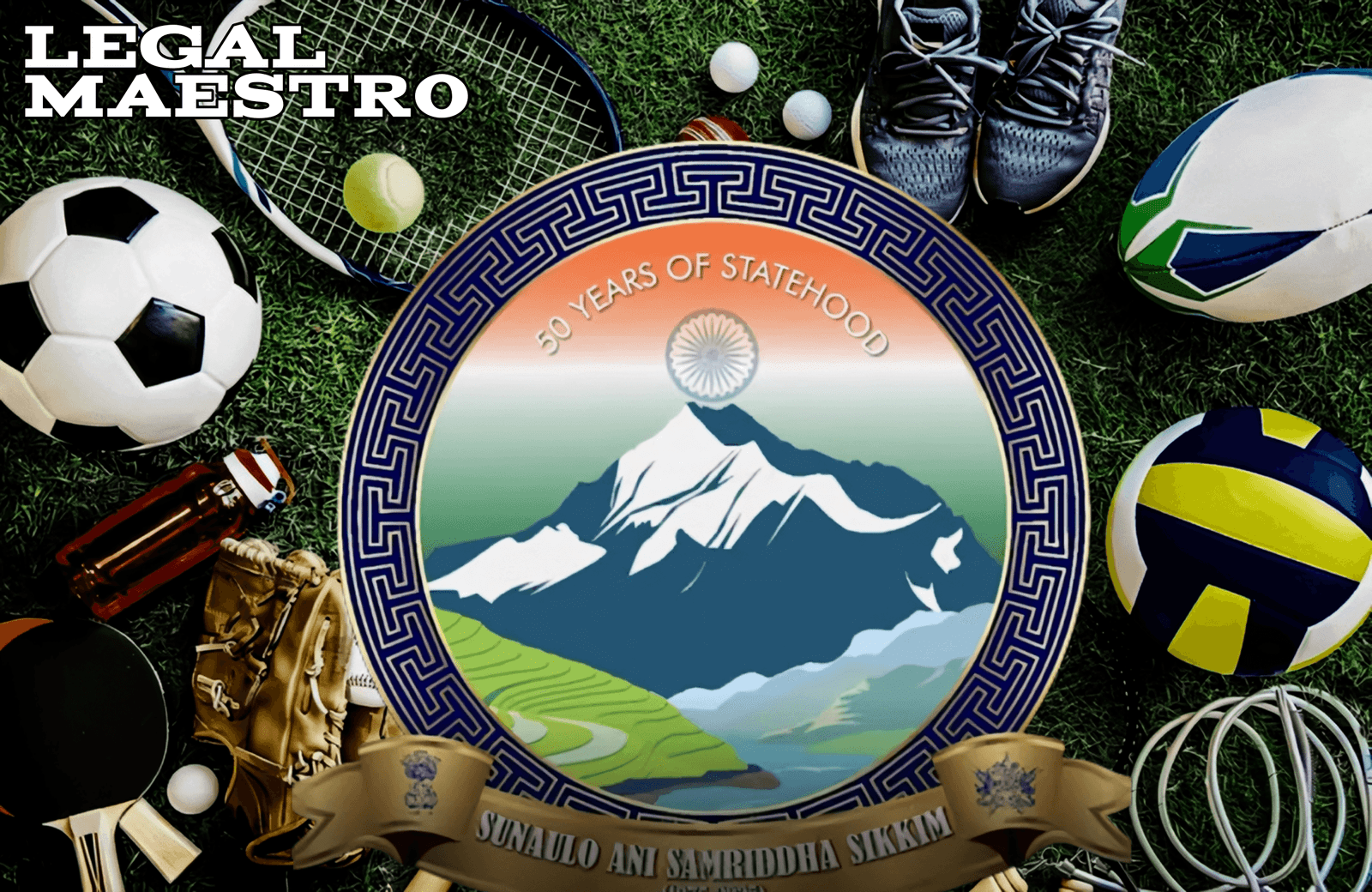
Sikkim’s Golden Jubilee: Constitutional Analysis of Its Integration Under Articles 2 , 371F and the 35th and 36th Amendments  

50 years have passed since Sikkim became a part of the Indian Union, which is a significant constitutional and political milestone. The year 2025 will recognize the achievement of this milestone. In order to transform Sikkim from a protectorate administered by a monarchy into the 22nd state of India, a number of constitutional modifications and legal procedures were implemented, which ultimately resulted in the formation of its distinctive status. In this essay, the constitutional path of Sikkim is analyzed through the perspective of essay 2, Article 371F, as well as the 35th and 36th Amendments. In addition to providing a simplified and all-encompassing explanation of the legal structure that made it possible for Sikkim to become a part of the Indian federation, it also emphasizes the ongoing significance of these provisions in ensuring that Sikkim maintains its unique character inside the Indian constitution.

Current Legal Update

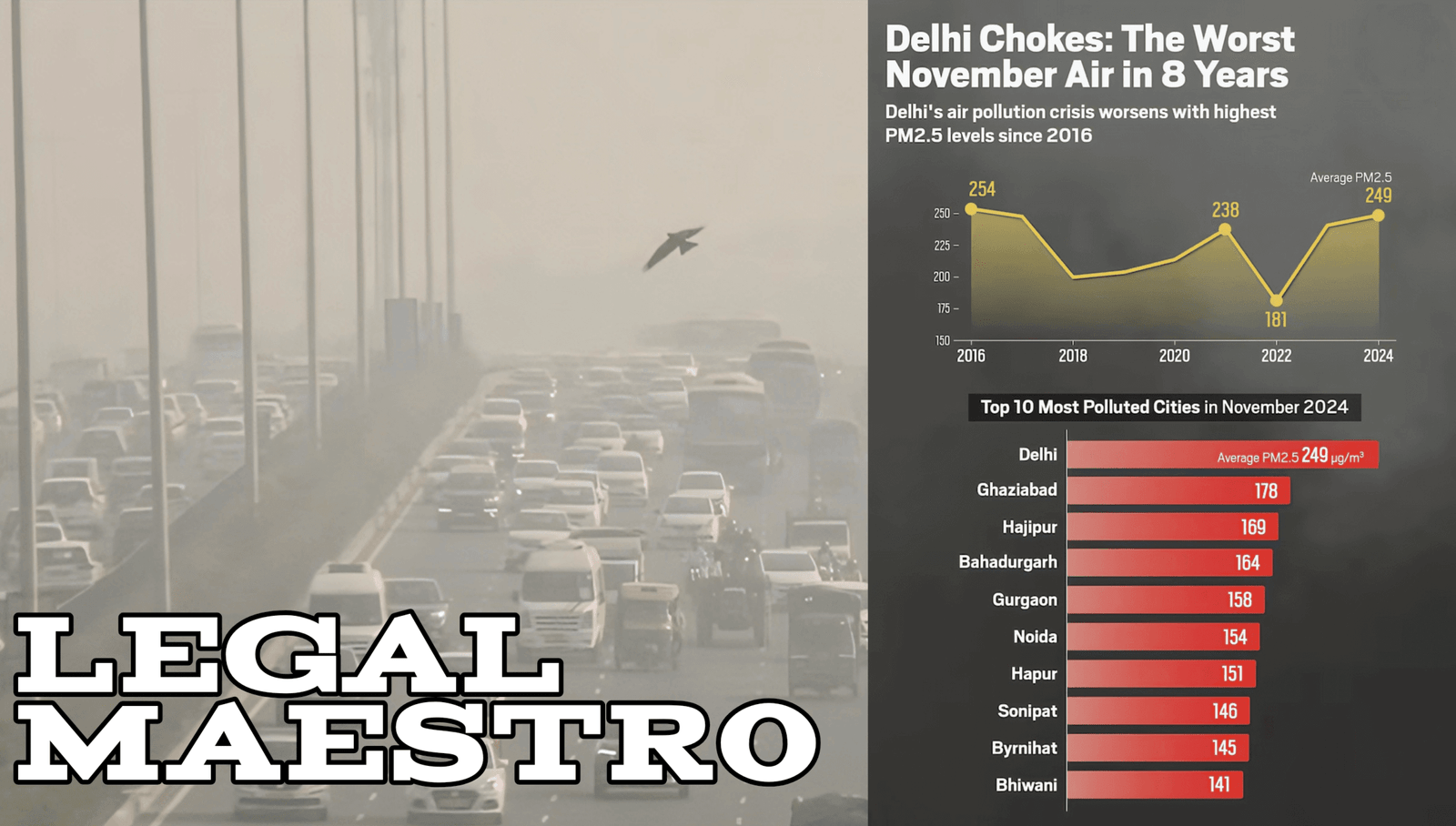
Delhi’s AQI Crisis: Constitutional Analysis of Article 21 Violations Amid Severe Air Pollution  

According to the Air Quality Index (AQI), Delhi is experiencing a severe air pollution issue, with the AQI routinely hitting levels that are considered to be hazardous. Concerns have been raised with regard to the constitutionality of this environmental emergency, notably with relation to Article 21 of the Indian Constitution, which guarantees the right to life and personal liberty. This environmental emergency poses substantial health hazards. An examination of the causes and effects of Delhi’s air pollution, an analysis of the constitutional implications under Article 21, and a discussion of the legal and policy responses to this ongoing catastrophe are all included in this article.

Current Legal Update

India’s Suspension of Indus Waters Treaty: Legal Ramifications Under International Law and VCLT Article 62

India’s decision to suspend the Indus Waters Treaty raises complex questions under international law. By invoking a security rationale, New Delhi effectively halted agreed water flows and data sharing with Pakistan. Under the Vienna Convention’s Article 62, unilateral suspension for a “fundamental change of circumstances” is narrowly permitted, yet terrorism concerns lie outside a water‐sharing pact’s core. международное право also allows proportionate countermeasures for wrongful acts, but they must be reversible and target restoration of compliance. India’s move risks breaching binding treaty obligations, exposing it to legal claims for reparations and undermining a model of transboundary water cooperation. The dispute will test the interplay between security imperatives, state responsibility, and treaty stability in South Asia.


India’s decision to suspend the Indus Waters Treaty raises complex questions under international law. By invoking a security rationale, New Delhi effectively halted agreed water flows and data sharing with Pakistan. Under the Vienna Convention’s Article 62, unilateral suspension for a “fundamental change of circumstances” is narrowly permitted, yet terrorism concerns lie outside a water‐sharing pact’s core. международное право also allows proportionate countermeasures for wrongful acts, but they must be reversible and target restoration of compliance. India’s move risks breaching binding treaty obligations, exposing it to legal claims for reparations and undermining a model of transboundary water cooperation. The dispute will test the interplay between security imperatives, state responsibility, and treaty stability in South Asia.

India’s decision to suspend the Indus Waters Treaty raises complex questions under international law. By invoking a security rationale, New Delhi effectively halted agreed water flows and data sharing with Pakistan. Under the Vienna Convention’s Article 62, unilateral suspension for a “fundamental change of circumstances” is narrowly permitted, yet terrorism concerns lie outside a water‐sharing pact’s core. международное право also allows proportionate countermeasures for wrongful acts, but they must be reversible and target restoration of compliance. India’s move risks breaching binding treaty obligations, exposing it to legal claims for reparations and undermining a model of transboundary water cooperation. The dispute will test the interplay between security imperatives, state responsibility, and treaty stability in South Asia.

Current Legal Update

Vanashakti v. Union of India: Analyzing the Supreme Court’s Rejection of Retrospective Environmental Clearances

The Supreme Court’s decision in Vanashakti v. Union of India firmly rejects the practice of granting environmental clearances after project work has begun. The Court struck down government orders that allowed retrospective approvals, emphasizing that prior clearance is essential to ensure public participation, expert review, and meaningful impact assessment. By declaring post-facto regularization impermissible, the judgment reinforces the precautionary principle and the rule of law in environmental governance. It sends a clear message that developers and public authorities cannot flout mandatory procedures without consequence, and it warns policymakers against using administrative shortcuts to bypass core protections. This ruling strengthens India’s environmental framework by upholding transparent, timely, and accountable decision-making in the interest of sustainable development.

Current Legal Update

Why Supreme Court Bar Association was Discontent with Justice Bela Trivedi’s Perceived Anti-Lawyer Rulings

The Supreme Court Bar Association’s decision to forgo Justice Bela Trivedi’s customary farewell spoke volumes about deep-seated frustration within the legal community. Lawyers felt her courtroom displayed an unrelenting focus on procedural rigidity, often at the expense of fairness and compassion. Her insistence on involving national investigative agencies in alleged lawyer misconduct, and a tough stance on bail in white-collar and security-related cases, fueled perceptions of bias against practitioners.

Critics also pointed to recurring assignments of sensitive, high-profile matters to her bench, suggesting a tilt toward government priorities. Many advocates came to see her judgments as prioritizing strict legal formalism over the human element of justice, eroding the collegial respect that underpins bench-Bar relations.

Current Legal Update

Yes Bank Under SEBI Scrutiny: Legal Implications of Fraud in Nippon Mutual Fund Investments   

This article takes a look at the legal and financial repercussions that have resulted from the investigation that was conducted by the Securities and Exchange Board of India (SEBI) into the transactions that Yes Bank had with Nippon Mutual Fund. It starts off by providing an overview of the historical context of Yes Bank’s rise to prominence and subsequent difficulties, and then it moves on to an analysis of the particular transactions that are being looked into. Following that, the topic of discussion shifts to the regulatory framework that governs the conduct of banking and investments in mutual funds, at which point potential violations of duty are brought up. For Yes Bank and Nippon Mutual Fund, we evaluate the potential consequences, which may include financial penalties, damage to their reputations, and changes to their governance structures. Last but not least, the paper examines the ways in which this particular case may have an impact on broader market practices and make investor protection in India’s financial industry more formidable.

Current Legal Update

Ola Electric’s Consumer Liability: Faulty Scooter Complaints Under Consumer Protection Act, 2019  

Since the introduction of its flagship scooters, Ola Electric, a dominant player in the two-wheeler electric mobility category in India, has been confronted with an increase in the number of complaints from customers. In accordance with the Consumer Protection Act of 2019, purchasers have asserted that they have been subjected to unfair trade practices, manufacturing problems, battery failures, delayed deliveries, and poor after-sales support. In response to the thousands of complaints that have been received, the Central Consumer Protection Authority (CCPA) has issued show-cause warnings and directed audits of service centers. There have also been instances in which individual consumer tribunals have ordered refunds, replacements, and compensation for mental suffering. The nature of these complaints, the statutory structure of the 2019 Act, landmark cases, the actions done by Ola Electric, and some helpful hints for consumers who are looking for redress are all topics that are discussed in this article.

Current Legal Update

Legal Recourse Under BNS and Constitution to Prevent Custodial and Police Torture

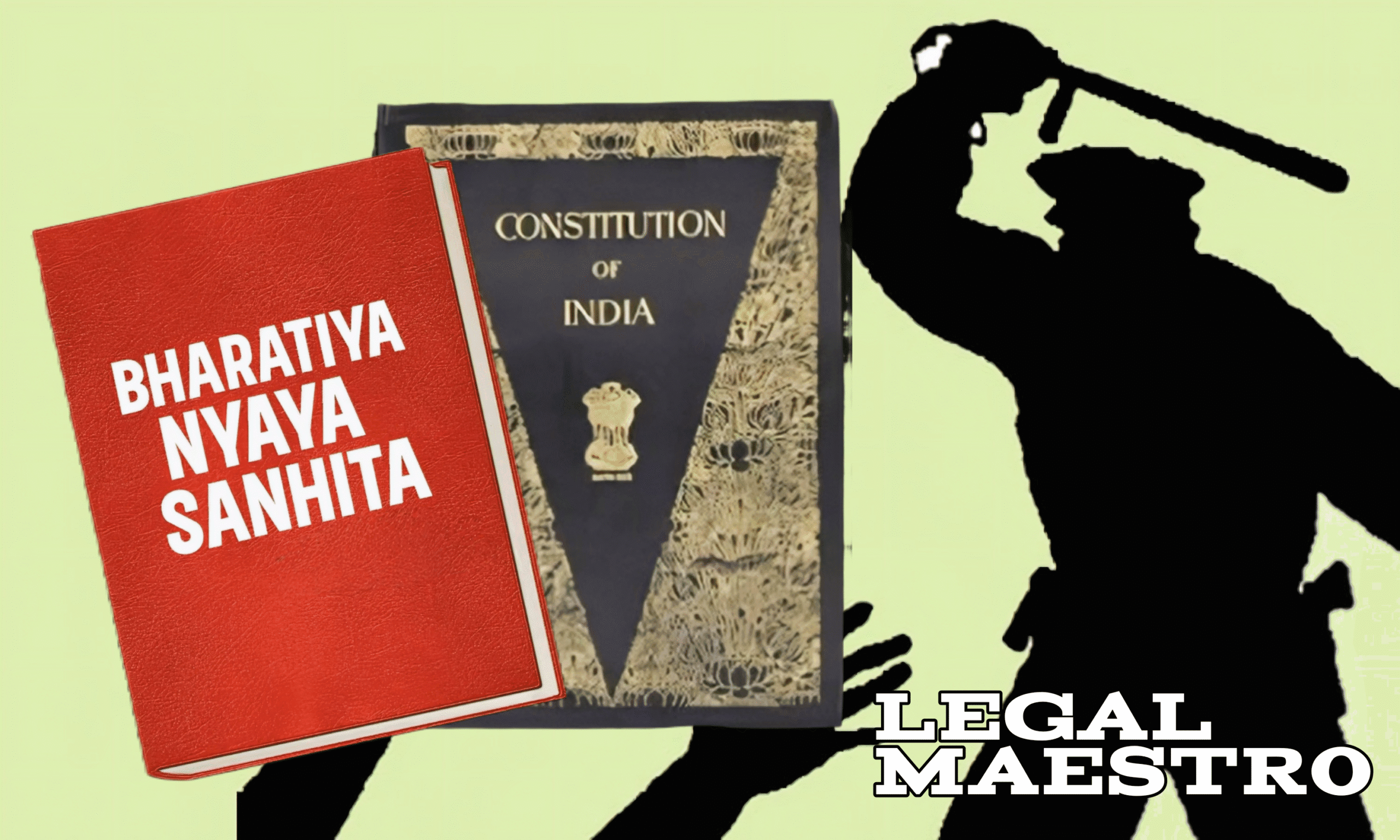
Torture and incarceration are two forms of abuse that are deeply rooted in the concept of individual dignity and the rule of law. The growing legal framework of India, particularly the Bharatiya Nyaya Sanhita (BNS) and the Bharatiya Nagarik Suraksha Sanhita (BNSS), in conjunction with constitutional safeguards and international human rights commitments, provides a variety of different routes for legal action. Several important constitutional rights are dissected in this article, as well as specific safeguards that have been incorporated into the new criminal laws, and supplemental human rights statutes are discussed. In addition to this, it investigates the several legal remedies, enforcement methods, and problems that continue to exist in the fight against torture. It is possible for victims to have greater access to justice and to maintain fundamental freedoms if they have a better understanding of these rules and how they are applied in practice.

Uncategorized

Three-Year Advocacy Requirement for Judicial Services: Constitutional and Legal Analysis  

Candidates are required to have a minimum of three years of experience in the practice of law before they are permitted to take tests at lower levels of the court. This requirement is known as the Three-Year Advocacy Requirement for Judicial Services. It is the intention of this rule to guarantee that individuals who are interested in becoming judges have adequate levels of professional maturity, legal knowledge, and practical experience. The purpose of this article is to investigate the historical roots of this requirement, as well as its foundation in constitutional concepts such as the independence of the court and the equality of opportunity, as well as the statutory framework that enshrines it. In addition, we investigate the most important interpretations of the law by the judiciary, evaluate its impact on the legal community in the real world, and take into account criticisms and practices that are comparable in other jurisdictions.

Current Legal Update

Qatar’s Plane Gift to Trump: Constitutional Analysis of Foreign Gifts to India’s Prime Minister and President   

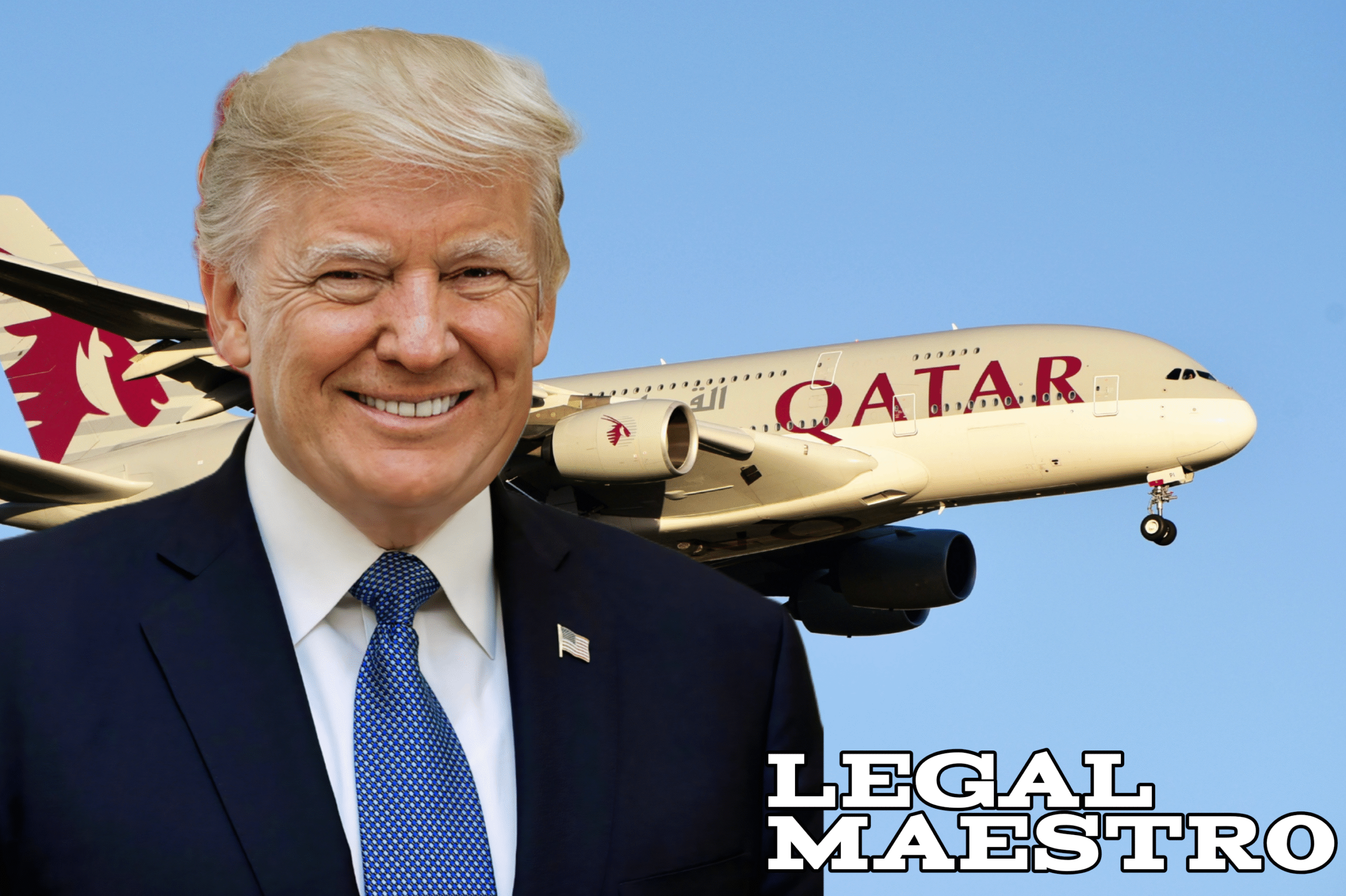
The controversy that surrounded Qatar’s gift of a private aircraft to former President of the United States Donald Trump is investigated in this article. Additionally, the article discusses how comparable foreign gifts would be handled under India’s constitutional and legal framework for its Prime Minister and President by examining the situation. In the beginning, it describes the circumstances behind Qatar’s gift of an airplane as well as the rules that govern the acceptance of foreign presents by top officials in the United States. Following that, it shifts its focus to the Constitution of India, the applicable statutes, and the Toshakhana regulations, which specify the manner in which presents from other countries must be handled. In conclusion, it provides a comparative study that highlights the lessons that may be learned about maintaining integrity and transparency in public office.