





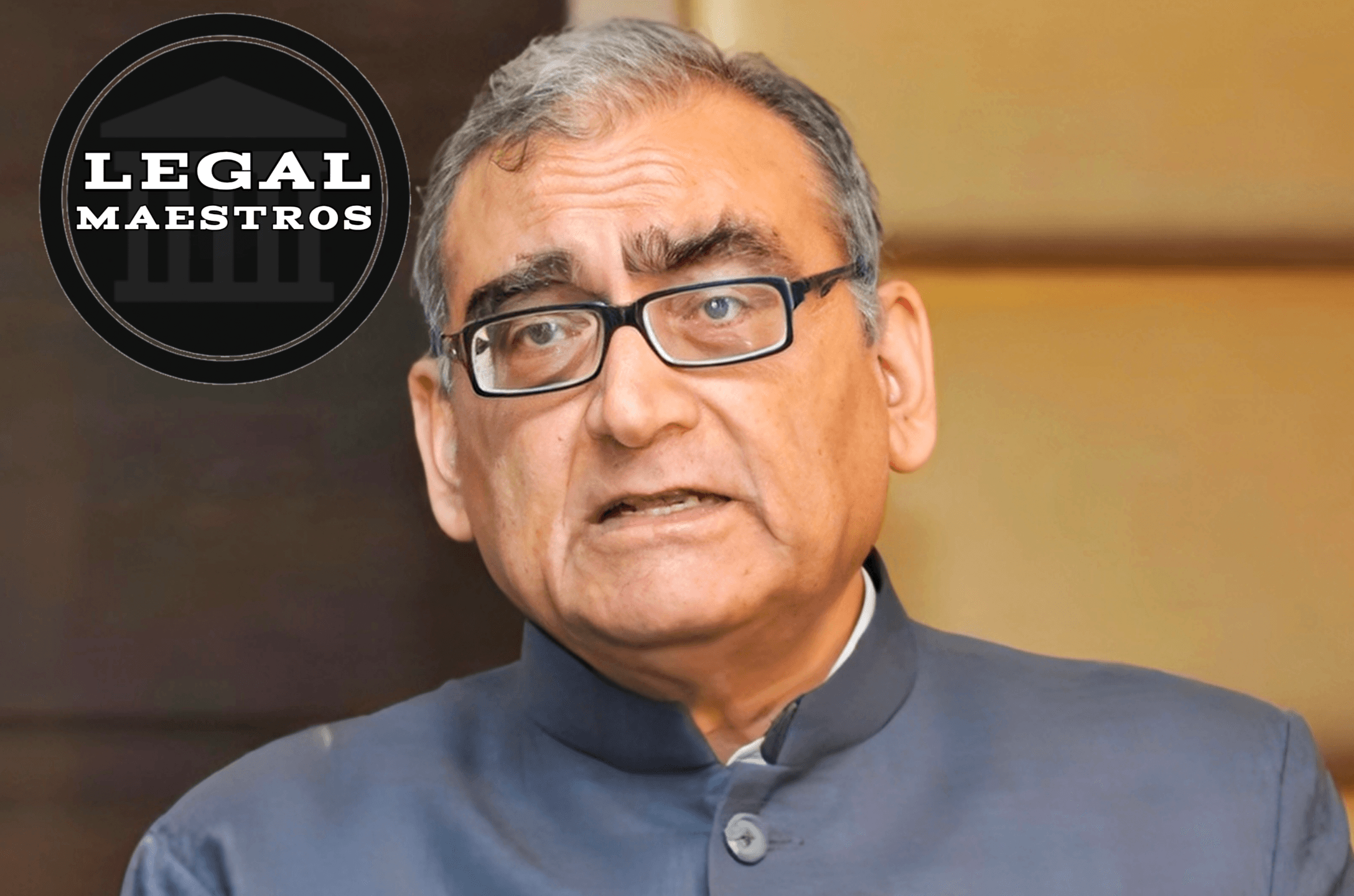
Much ado about nothing By Justice Katju
These days a hot discussion is going on in India, particularly in political circles and the media, about the forthcoming…
Keeping Pace with Legal Change

The Global Peace Summit Greece 2026 is set to bring together young people from different countries for a four day international summit in Athens, Greece.…
These days a hot discussion is going on in India, particularly in political circles and the media, about the forthcoming…
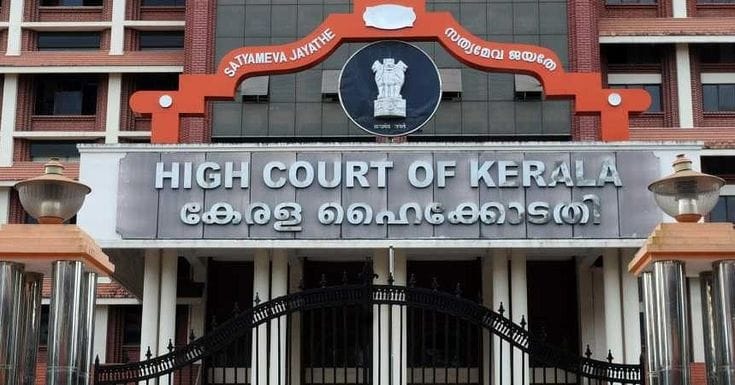
In Mathai M.V. v. State GST, the Kerala High Court held that GST notices issued through WhatsApp are not legitimate under Section 169 of the CGST Act. The court emphasized that compliance with procedure and statutory means such as registered post or e-mail is to be followed for legal notice. It held that WhatsApp communication, which is allowed only as a pandemic exception, is against natural justice when used otherwise. The order of confiscation was therefore set aside, and fresh notice was directed.
The Kerala High Court instructed the CBFC to issue a censor certificate for the Malayalam movie JSK: Janaki v/s State of Kerala, denying excessive censorship for alleged religious insensitivity. The court ruled that minor alterations were adequate and stressed that artistic freedom under Articles 19(1)(a) and 19(1)(g) should not be stifled by subjective criteria. The decision is an important precedent balancing creative expression with communal sensibility within constitutional limits.
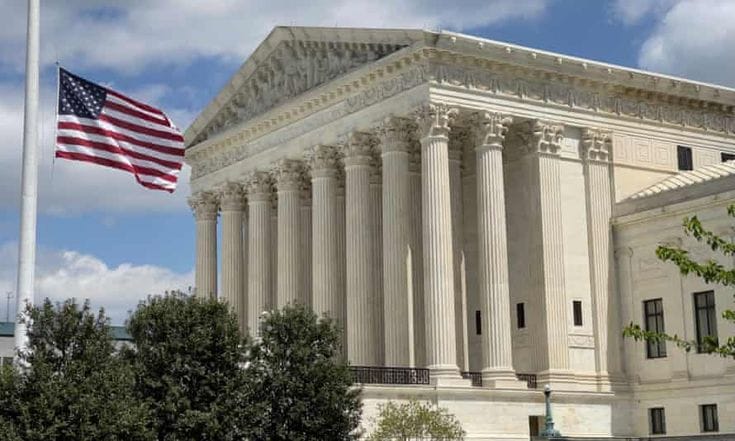
In a milestone ruling, the U.S. Supreme Court has granted the Trump administration permission to move forward with far-reaching federal employee reductions that could affect hundreds of thousands of workers and government services pending litigation. The decision is a major victory for Trump’s agenda in his second term but poses deep constitutional and governance questions.
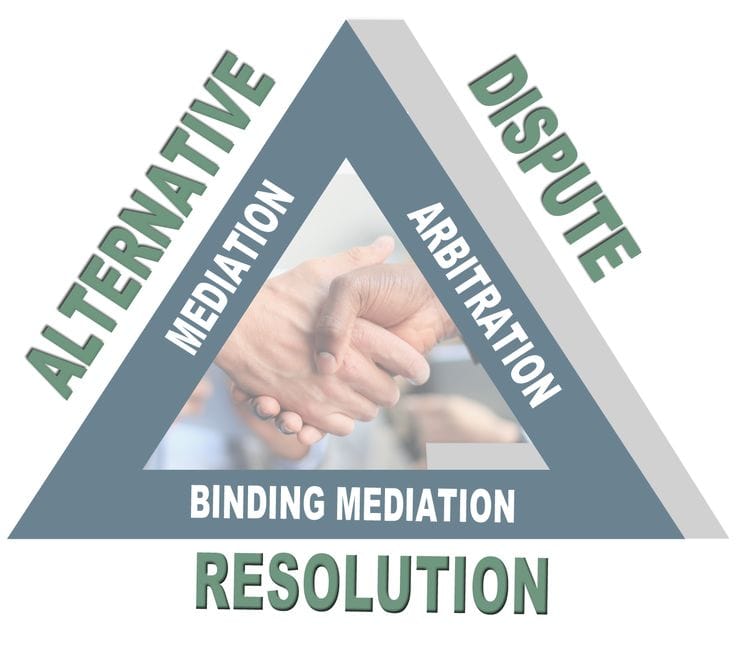
In a dramatic reform initiative, the government of India has directed all ministries and departments to reduce avoidable litigation, enhance legal cells, and adopt alternative dispute resolution in order to decongest courts and enhance governance effectiveness.
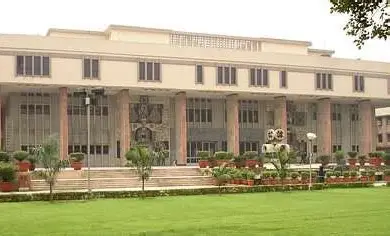
The Delhi High Court ruled on the Chile-Peru “Pisco” naming dispute, directing the GI for Peru be “Peruvian Pisco” and Chile’s application for “Chilean Pisco” be processed. This decision, under The Geographical Indications of Goods (Registration and Protection) Act, 1999, clarifies homonymous GIs, preventing consumer confusion.
X (formerly Twitter) claims the Indian government ordered blocking of over 2,000 accounts, including Reuters, under Section 69A of the IT Act, 2000. This escalates debate on online censorship, press freedom, and government powers, with both sides presenting conflicting narratives on the issue.
The tragic Air India Flight AI171 crash in Ahmedabad is under investigation by India’s AAIB, guided by ICAO’s Annex 13. This report details the accident, the role of black boxes, and international collaboration with NTSB, Boeing, and GE, aiming to prevent future tragedies.
By Justice Katju, former Judge of Indian Supreme Court
In Aakash Deep Chouhan Vs. CBI, the Delhi High Court adjudicated that systemic corruption is a subject of “public safety”, thereby allowing phone interceptions under current laws. Such surveillance was upheld by the court only if supported by due process, asserting stringent compliance with legal protections. This landmark ruling expands investigators’ powers against corruption while reiterating the necessity to weigh personal privacy against public interest.