






Kerala HC Sets Precedent: MSC Sister Ship Arrested Over ₹9,531 Crore Maritime Disaster Claim
In a landmark decision for maritime law and environmental responsibility, Kerala High Court has issued a conditional arrest of the…
Keeping Pace with Legal Change

The Global Peace Summit Greece 2026 is set to bring together young people from different countries for a four day international summit in Athens, Greece.…
In a landmark decision for maritime law and environmental responsibility, Kerala High Court has issued a conditional arrest of the…
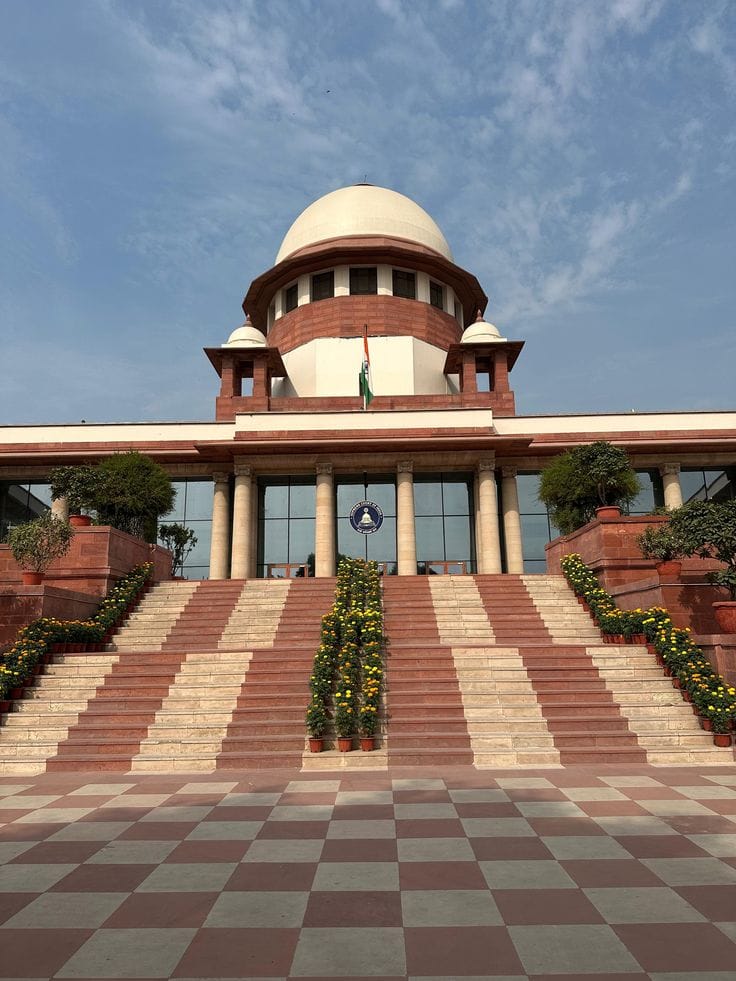
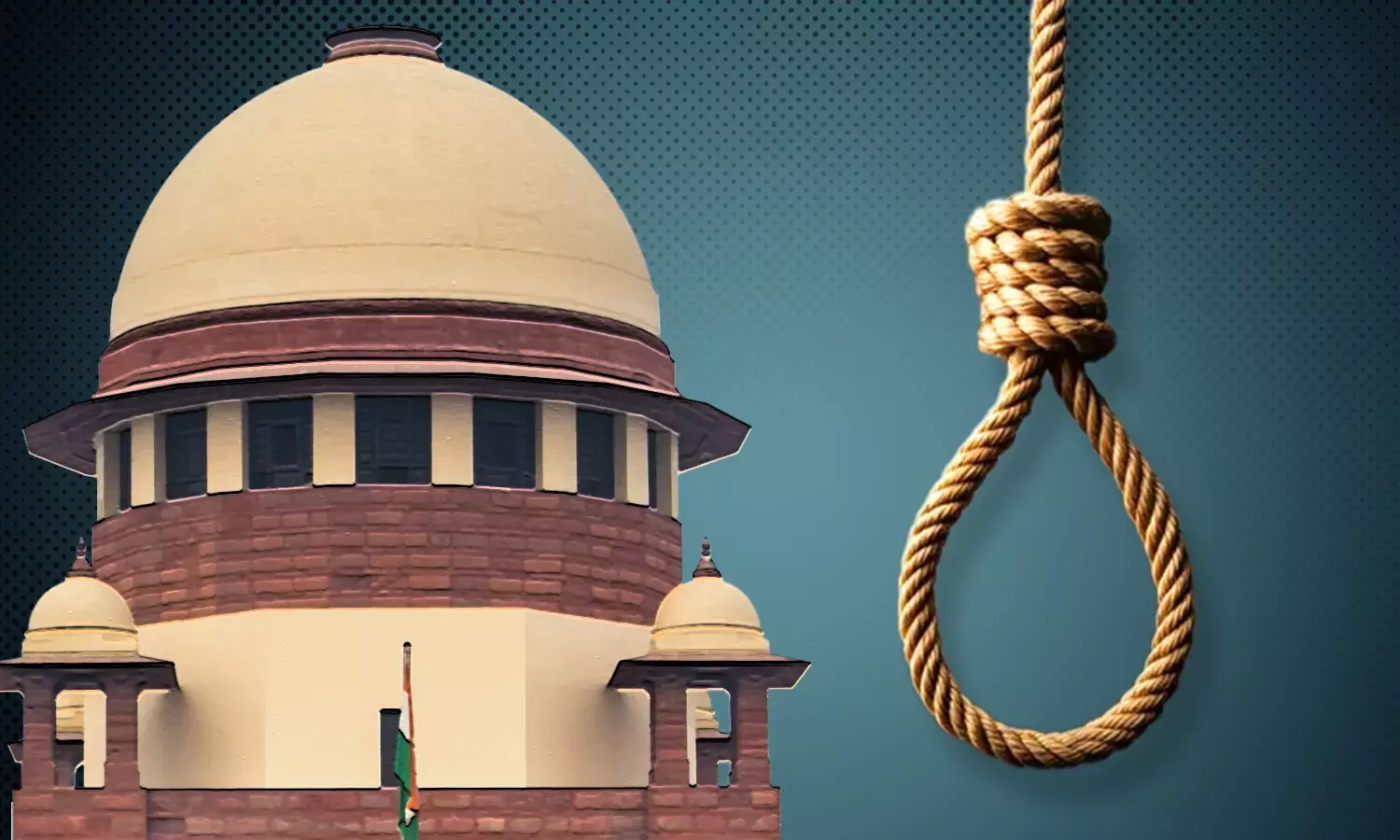
In a development that has caused waves in the Indian legal profession, the Supreme Court of India recently took suo…
The present article explores judicial consequences of false rape complaints in the Indian law by looking into evidential provisions of IPC and CrPC. It specifies provisions on misleading information such as 182 and 211 IPC and their implications to complainants. The article also emphasizes legal protection and evidence playing the most important role in proving falsity.
The following paper will discuss the case of bribery with alleged NMC doctor during the testing in a medical college, including the details of this event and the punishment that will follow under the preamble of the Prevention of Corruption Act, 1988 of India. It points out to the strict measures, blacklisting and sanctioning the involved college, taken by the NMC in upholding integrity in medical education.
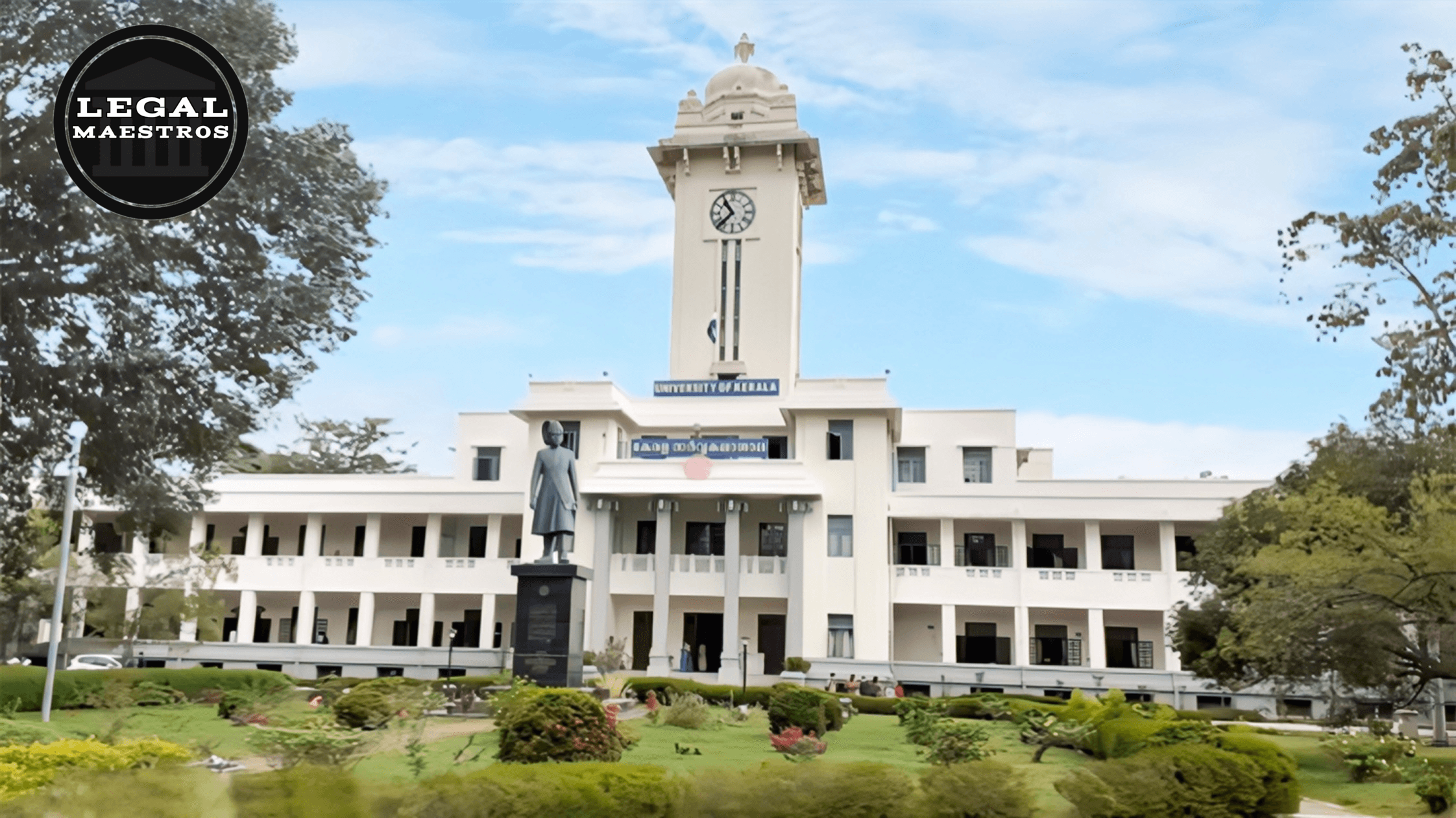
Kerala University Registrar K.S. Anil Kumar pulled back seeking relief in the High Court to challenge the suspension after he was reinstated by the Syndicate. This was after a controversy in one of the portraits titled Bharat Mata. The High Court allowed the withdrawal, but recognizing the internal resolution, did not exclude wider institutional authority issues as the subject of future legal action.
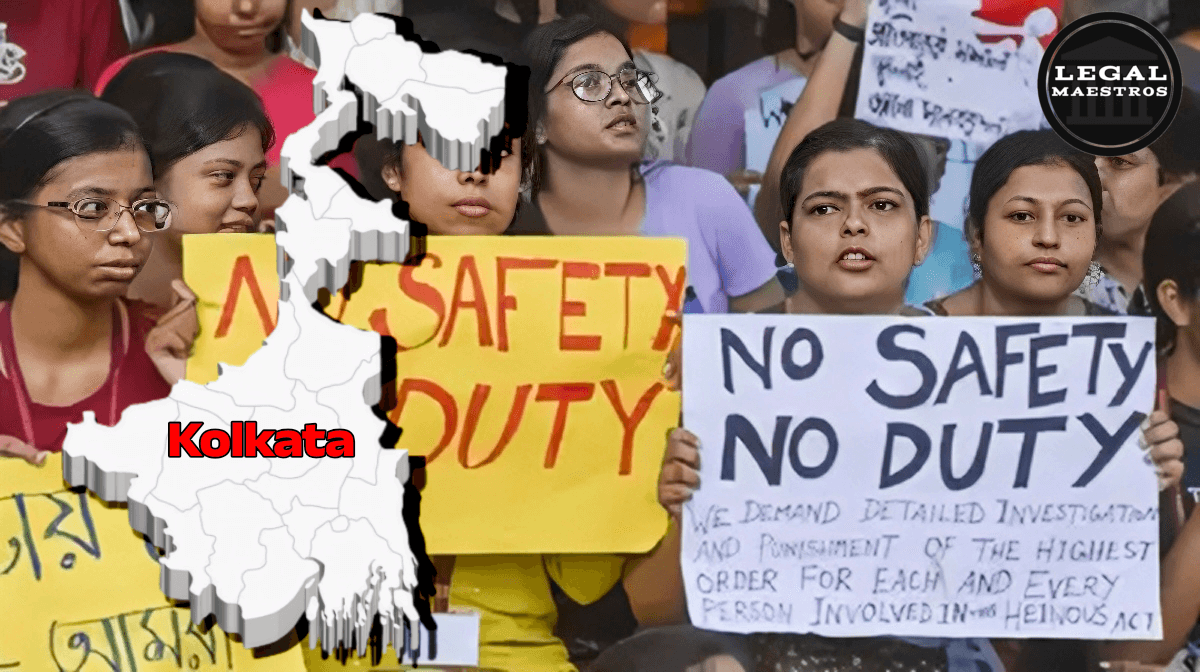
This article discusses two recent cases of the RG Kar Medical College Kolkata and a college law College of South Kolkata, with a view of bringing light to the issue of female safety in academic institutions. It outlines legal measures, societal reactions, and the available legal framework to the cases of these crimes, and stressed the necessity to deploy effective safety measures.
This paper narrates the spy case of Jyoti Malhotra, especially on how she has had her judicial remand extended time and again. It gives an account of her arrest, her charges of meeting with the Pakistani intelligence, the legality of the detention and gives an overview of the case being brought against her, as it is.
This article focuses on rhetoric used by leaders of MNS based on language in Maharashtra that presents a challenge over constitutional rights, that is, freedom of speech versus freedom of order. It outlines the existence of Indian laws that bear relevance to hate speech and examines past and contemporary examples with attention to the damages on the basic rights and the position of the regulators to maintain conformity to the constitutional ideals.
The ₹40 crore Bengaluru chit fund scam, orchestrated by a Kerala-based couple, has impacted over 260 investors. This article explores the legal framework, including The Chit Funds Act, 1982, Karnataka Protection of Interest of Depositors Act, 2004, and PMLA, ensuring perpetrators face justice and aid victim recovery.
MS Dhoni’s attempt to trademark his iconic nickname “Captain Cool” has been legally challenged by a Delhi-based law firm. The opposition claims the term is generic, lacks distinctiveness, and has not been supported by sufficient evidence of commercial use. The case raises broader questions about trademarking celebrity monikers and their public domain implications.