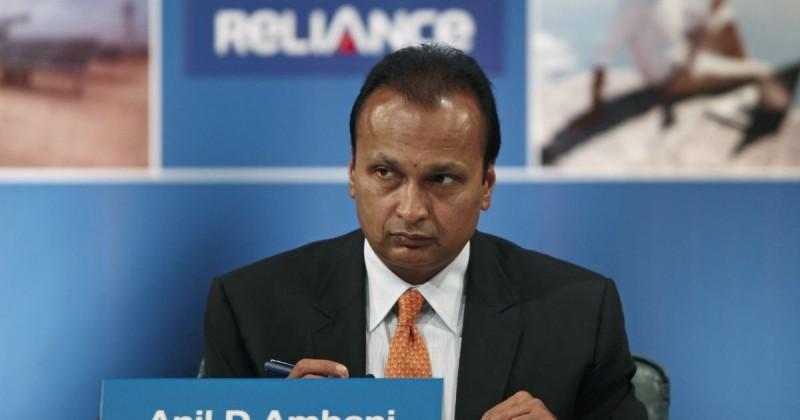
I don’t sip lukewarm coffee while I swirl my way through corporate filings at a news desk full of crap. If I did, of course, and if I were a 28-year-old financial editor on the trail, the first thing that would come to mind would be to dispatch the rumor you just brought me. This must be put into perspective. There is no factual evidence available to indicate that Mukesh Ambani is coming to the rescue of his younger brother in his current insolvency issue, as a personal guarantor.
A Reality Check on the Big Brother Bailout
No point beating around the bush. Rumors of Asia’s richest man entering the country by parachute to save his sibling are just rumors. Perhaps they are rooted in a mistakenly nostalgic sentiment. Or maybe, people are only recalling 2019 when Mukesh saved Anil from jail-time by paying a huge amount to Ericsson at the last moment.
However, since then the scene has changed completely. Paying an up-front settlement is not the same as legally forcing yourself to become a personal guarantor for massive and toxic corporate debt. The figures just don’t bear out the rumors. Mukesh isn’t taking the name on the dotted line for Anil’s liabilities. The State Bank of India is already at his doorstep and the law is only gone against Anil.
In the Fold Discussed this Week
The Mumbai worth the recent paper’s worth. The National Company Tribunal finally gave a heavy blow on June 11, 2026. They accepted a plea from the State Bank of India that they should start personal insolvency resolution proceedings against Anil Ambani.
The threat is not a nebulous one. It’s a statutory and binding procedure. The Tribunal imposed an immediate stay on all of his debts to his creditors. This means that creditors will not have the right to make an unauthorized claim for assets or take independent legal action against him for the next 180 days. Everything is frozen. A resolution professional, Prashant Jain, has been appointed to clean up the mess! He will determine the exact amount due and the extent to which it can be recovered. It’s a detailed, unflashy process of finding property and proving ownership.
The Ghost of the 2016 Guarantees
This whole muddle can be traced to a batch of September 2016 signatures. Back then, both Reliance Communications and Reliance Infratel were in dire need of funds. To secure credit facilities worth hundreds of crores from the State Bank of India, Anil Ambani offered up a personal guarantee. He basically stated to the bank that if the businesses did not pay, he would be responsible for the debt.
After a few years, the companies defaulted as expected. It was a bloodbath in the telecom industry and RCom did not survive. The bank waited. They had watched the corporate insolvency process in action, and were soon going to be receiving a huge paycut. So, they called in the personal guarantee in early 2019. They wanted their money. In particular, they claimed an outstanding default of more than Rs.853 crore. It has been a litigational battle ever since, as the lawyer teams of both Ambani and the other party have been scrimmaging to overturn that 2016 deed.
The Courtroom Chess Match
Ambani’s attorneys did everything to stall the proceedings. The personal guarantee was totally invalid, they said, because the loan accounts had been considered non-performing at the time the documents were signed. They also said that the underlying corporate debt was effectively wiped out by the resolution plans approved for RCom.
The tribunal wasn’t convinced. The judges referenced a precedent-setting Supreme Court decision that makes it clear that a corporate resolution plan will not extinguish the liability of a personal guarantor. The risk lies with you if you sign the paper. Another fact of life comes out of the tribunal, however: The bank has yet to receive any real cash from the corporate resolution. Funds promised are stuck in endless court battles over telecom spectrum rights. The bank doesn’t want promises, it wants cash. And they are aiming at the guarantor to make them understand.
Why This Isn’t 2019 All Over Again
It’s very easy to compare and contrast with history. However, there is a strong context here. So when Mukesh jumped into the Ericsson controversy, it was to save his brother from arrest. This was an indirect cash injection to a specific target. The role of personal guarantor in an ongoing insolvency saga is a whole other ballgame, and one that would bind his own vast, eyes-global empire to his brother’s ever-changing obligations. There was no sensible corporate lawyer that would suggest that.
The Insolvency and Bankruptcy Code is not particularly user friendly to allow a third party to intervene and obtain a personal guarantee once a resolution programme has been initiated against the guarantor by the tribunal. The law is intended to create liability for the person who signed the document. It’s now in the throes of a system that is beginning to reveal its teeth in just the way the law intended.
The cold approach to debt recovery.
The Indian banking system is a harsh reality today. Public sector banks, including SBI, are facing huge pressure to scrub their balance sheets. They can’t let big defaults go by. Few years ago, the pursuit of personal guarantors was a legal hot-button issue, but the highest courts have sided with the lenders. This is a strong tool in the bank’s arsenal. Otherwise, they can target the affluent individuals who had pledged to fund the loans.
Needless to say, Anil Ambani’s spokesperson has said that they will appeal the NCLT order. They say that the assurance has been called into question, predates contemporary personal bankruptcy laws, and that the initial loans were to fulfill China’s lenders, with no particular person advantage for Ambani himself. However, the current attitude of the tribunal is clear. The debt exists. The default happened. There is a written guarantee.