








High court

Madhya Pradesh High Court Rules on WhatsApp Chats: Admissible as Evidence in Family Courts Despite Privacy Concerns

Recently, the Madhya Pradesh High Court discussed whether or not evidence that was collected unlawfully might be admitted into court in cases involving marital conflicts. It found that WhatsApp communications, even if they were purportedly obtained without authorization, are admissible in Family Courts if they are significant. This decision upheld Section 14 of the Family Courts Act, which relaxes rigorous evidentiary requirements for the sake of effective conflict settlement.

Supreme Court

Dowry Harassment Cases: A Scrutiny of Allegations Against Husband’s Relatives by justice A. amanullah

In a classic case, the Supreme Court set aside criminal cases against distant relatives, who had been falsely dragged into a dowry harassment case. The ruling adds strength to the point that general and lackluster claims of criminality are not sufficient to allow trial that will weaken innocent family members against the frivolous use of the law.

Supreme Court

Upholding Natural Justice in Disciplinary Proceedings By Justices Dipankar Datta and Justice Prashant K.Mishra

In this case, the Supreme Court struck down a penalty imposed on a senior retired Assistant Engineer, Ram Prakash Singh, under Rule 27 of Tripura Administrative Services Rules on procedural lapse and violation of due process, leaving it clear that departmental inquiry is subject to strict adherence to due process which entails production of evidence, timely conclusions and fair hearing opportunities.

Supreme Court

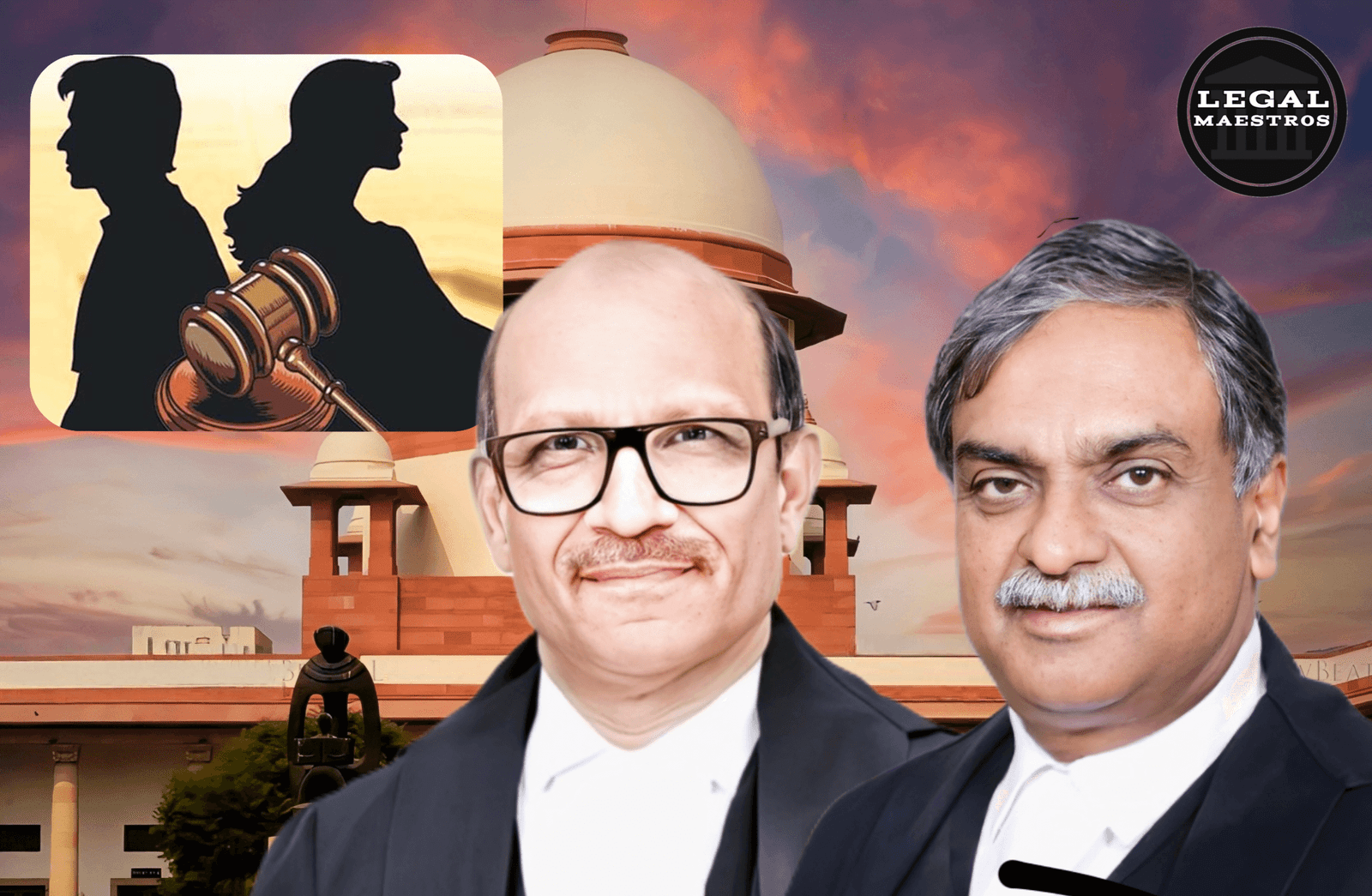
Irretrievable Breakdown of Marriage by Justice Vikram Nath, Sanjay Karol, and Sandeep Mehta

The Supreme court in a landmark decision dissolved the marriage of a couple who had been separated for more than ten years saying irretrievable breakdown was a valid ground to grant divorce under Article 142 of the Constitution. The case shows that the Court, as an arm of the constitution, has the right to give full justice when there is no statute on the matter.