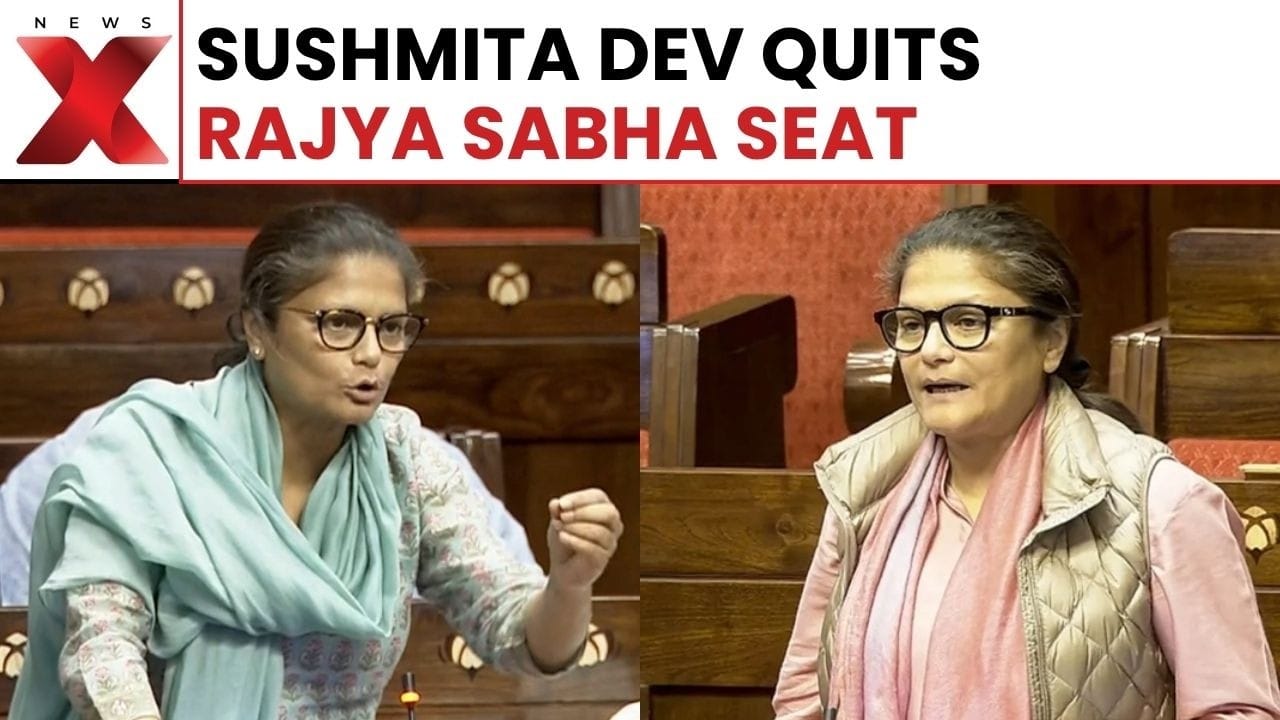
The resignation of Trinamool Congress (TMC) member Sushmita Dev from the Rajya Sabha in June 2026 puts into stark relief the parliamentary constitutional procedures relating to the vacancy in the upper house. The exit of a Member of Parliament before the expiry of his/her term is governed mainly by the Indian Constitution, Article 101. This provision establishes two different modes of vacancy for a seat, in particular between resignation and disqualification for punishment.
The Clean Break (Article 101(3)(b))
Article 101(3)(b) offers a direct way for members to voluntarily leave their seats.
The Procedure: A resignation has to be made in writing and manually signed and addressed to the Chairman of Rajya Sabha (or Speaker in case of Lok Sabha).
The Requirement of Genuineness: Resignation does not effect a vacancy as soon as it is made. The Constitution (Thirty-third Amendment) Act, 1974, requires the Chairman / Speaker to certify that the resignation is both “voluntary” and “genuine. The presiding officer can reject the resignation if they think it was forced, or not genuine.
The Outcome: If the presiding officer is certain that the member was acting of his/her own choice, and accepts the letter, he/she declares the seat vacant.
Sushmita Dev’s resignation would be accepted by Rajya Sabha Chairman C.P. Radhakrishnan, making her a voluntary and constitutionally valid member of the Upper House.
The Constitutional Penalty (Article 101(3)(a)), Disqualification.
The distinction between resignation and disqualification under Article 101(3)(a) is that resignation is a matter of the member’s will, whereas disqualification is an operation of law, and is meant to punish a member who fails to comply with certain constitutional obligations.
Statutory Triggers: If a member is disqualified due to any of the reasons mentioned in Article 102, his seat instantly becomes vacant. This means that they hold an office of profit, are declared of unsound mind by a competent court, become an undischarged insolvent or when they voluntarily become a citizen of a foreign country.
Anti-Defection Law: It is the most politically relevant clause for disqualification, as mentioned in Tenth Schedule. If an elected member “voluntarily gives up” their membership of the political party on whose ticket they were elected to join another, they are liable to be disqualified from the House.
It highlights the distinction between resignation and disqualification.It emphasises the difference between resignation and disqualification.
The relationship between these two provisions sheds light on the so-called tactics of politicians leaving office.
A member of Rajya sabha if he wants to change his party affiliation with a different political party, he will immediately be liable to be disqualified from the parliamentary position under Tenth Schedule. The proceedings are highly controversial and are tainted by defection, and are initiated by the losing political party.
A parliamentarian can avoid the Tenth Schedule altogether by voluntarily resigning from the Rajya Sabha, at the same time or before his/her resignation from the political party.
It precludes the former party from filing disqualification petitions, since the person is no longer a member of the House.
It provides a clean break in the constitution and notifies a casual vacancy to the Election Commission of India and schedules a by-election.
It safeguards the person’s political will without forcing them to endure a long constitutional punishment.
The removal of Sushmita Dev is a good case of Article 101 being utilised as a ploy and not a punishment for the vacancy.
Do you want to know how the Election Commission arranges the timing and carries out by-elections for the casual vacancies in Rajya Sabha?
This news report contextualizes the political scenario after the resignation of Sushmita Dev from the Rajya Sabha and its effect on the make-up of the Upper House.