A very old, bad habit was broken on Friday evening at the Supreme Court of India. Supreme Court Bar Association President Vikas Singh spoke on the dais at a customary farewell function. He declared a change in policy which was a shock to many. All future Supreme Court judges will be honorary members of the SCBA from this time on
This is just a minor administrative change. It is in fact a radical change in the practice of the legal profession. Typically, when a judge retires, he or she retires from the court premises. They offer their rooms. They cease to walk the corridors. They just go home. Singh wants to put an end to that tradition. He was addressing the assembled lawyers and judges, and made a direct pledge to keep the doors open for the outgoing bench.
The philosophy of “keeping the judges close” is quite understandable.
This is no frivolous move, the rationale behind it is entirely practical. A Supreme Court judge is the epitome of a busy man. One day soon, the retirement date arrives. That sudden end to that every day exchange is jarring. It’s a problem pointed out by Vikas Singh. He said that retired judges have always been a step away from the court when their term is over
Until now, the SCBA was not much interested in filling this void. These days, they are pushing for a change. Association hopes to see these law veterans back in action. They want them to join the Bar, to have coffee with practicing lawyers and to share their experiences with them. It’s a smart way to keep the institutional history alive. Singh said it was an “emotional moment” for the Bar to meet former judges in a relaxed atmosphere. Young attorneys do not often get the opportunity to chat informally with the nation’s top judges. The new one is 1 to 1.
The Bar Council Rules and internal dynamics.
This announcement does bring into stark relief the internal rules of the Bar Association. The changes to the composition of the SCBA when honorary membership is bestowed upon someone changes the fabric of the SCBA. The SCBA is the parent body of all the collective body of lawyers practising at the Supreme Court. They take care of the big issues. They deal with infrastructure. They are responsible for the allotments of the chambers and the general Bar facilities
Recently, Vikas Singh had to issue a strong letter to Supreme Court of India’s Chief Justice to clarify the exact definition of the SCBA vis-à-vis other organisations such as the Supreme Court Advocates-on-Record Association. He was forced to remind them that the main responsibility for general members of the Bar is vested in the SCBA. The addition of retired judges to this particular group strengthens SCBA’s role as the Supreme Court’s legal minds’ ultimate umbrella group. It softens the separation between the active and the inactive Bar.
Were there two legal heavyweights that are going out of the way?
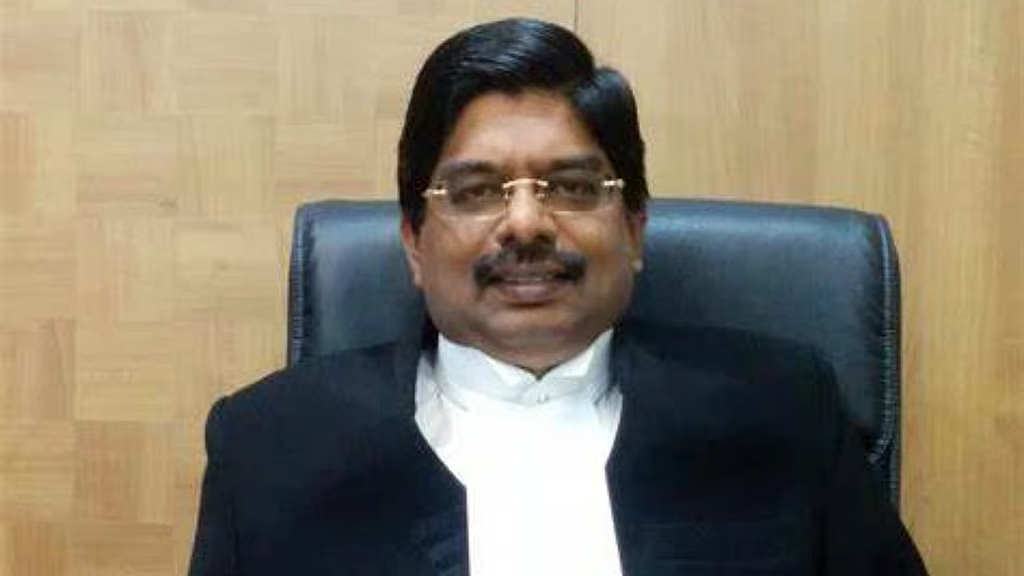
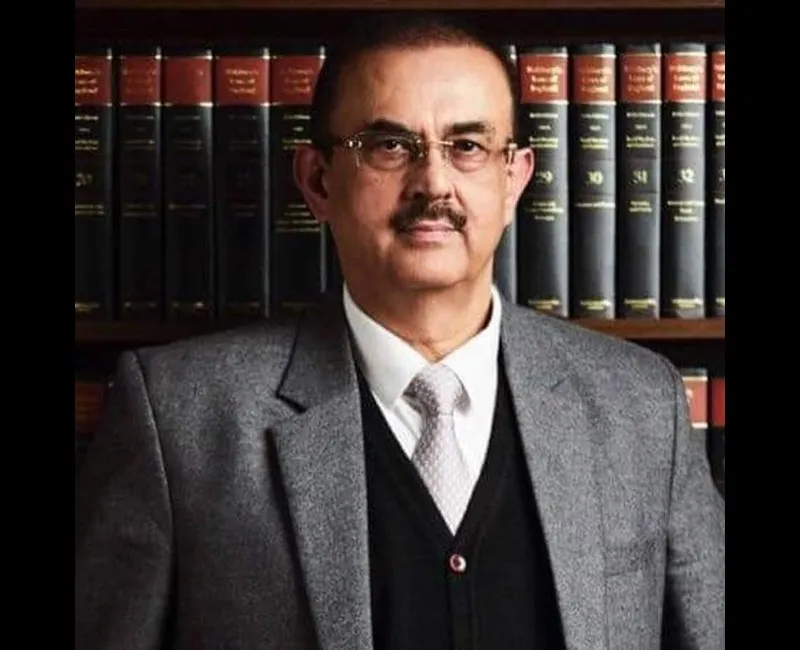
It was an extremely calculated time for Singh to release this information. The Bar was holding a farewell function for Justice J.K. Maheshwari and Justice Pankaj Mithal. Both men are hitting their retirement dates during the court’s partial working days this summer. Justice Mithal will officially demit office on June 16. Justice Maheshwari comes up soon after on June 28.
Their career paths were quite different. They both made it to the top bench in the country, however. When they are gone, there is a hole. Singh admitted that it’s a hard day to have a popular judge leaving. He also noted the approaching wave, however. Five new judges have recently been appointed to the Supreme Court. The court goes back to its regular business, but those who have served are now on a permanent ticket.
What did the Leadership have to say?
The leaders of the legal system publicly addressed. Chief Justice of India D.Y. Chandrachud took the stage to speak a lot about Justice Maheshwari. He didn’t only speak of his time in Delhi. He returned to Maheshwari’s days as Chief Justice of the Andhra Pradesh High Court. It was a most turbulent time. Andhra Pradesh and Telangana were to be reorganized. Political and social conditions were tumultuous. Maheshwari, who remained completely calm and behaved with dignity in the court during that chaotic situation, was commended by the CJI. He also spoke about Maheshwari’s efforts towards technological changes in the Indian judiciary system.
Attorney General R. Venkataramani followed up with his evaluation. He compared both judges. He said that Maheshwari began in a small town in Madhya Pradesh and made his way to the top by making competent decisions with great compassion and building institutions along the way. Mithal, however, was reputed to have had a profound knowledge. Venkataramani applauded Mithal’s remarkable clarity and common sense. Both men were bound by a firm respect for the legal institution, however, despite their differences, the Attorney General said.
Singh chimed in on Mithal as well. He described him as an “incredibly calm presence. Mithal had a reputation in the building where arguments often degenerated into shouting matches as a judge who was completely unfazed by a lot of pressure and was always easy to approach.
Players are encouraged to pass on warnings and advice to the outgoing bench.
The outgoing judges did not only sit back and take the flattery. Their last platform was an occasion for dropping a lot of advice on the heads of practicing lawyers. Justice Mithal gave out a loud alarm regarding state of courts. He directly faulted the mounting pile of pending cases that is choking the judicial system. From there it was to technology. He warned against the misuse of AI in legal work. He considers it to be a threat if lawyers use it without thought.
Justice Maheshwari went a more philosophical route. He honed his essential legal attitude. He told the audience to just work hard and be dedicated to the cause. His primary message was on how to further enhance the access to justice for ordinary citizens. He told the group that it is always on the right side of the law as long as a ruling is not.