.
Introduction
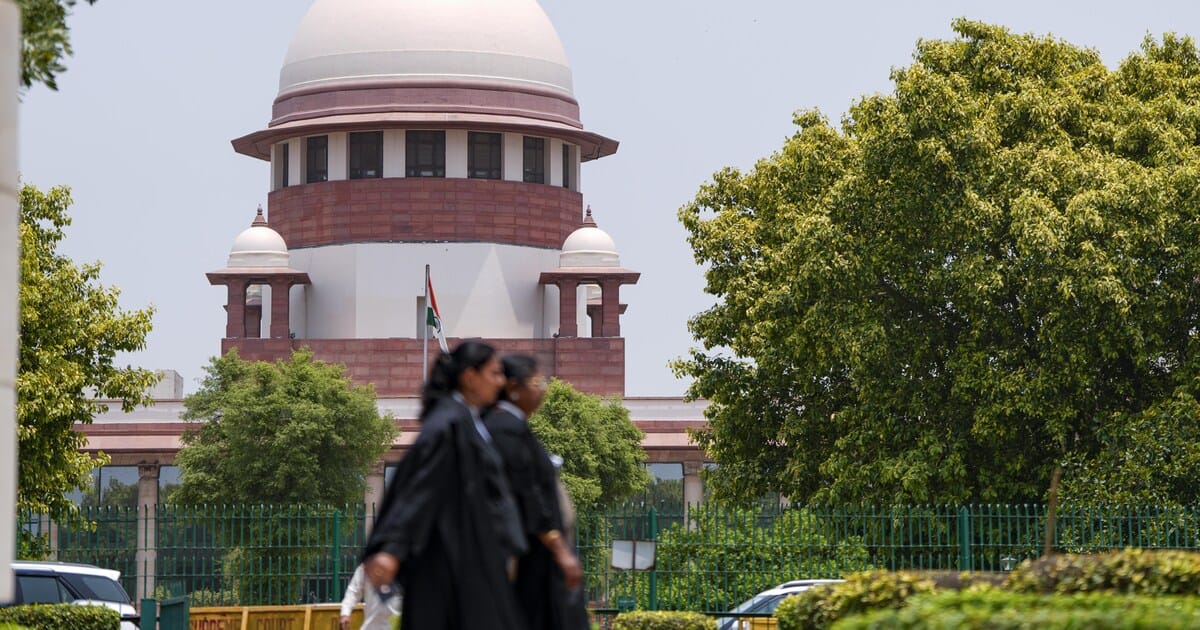
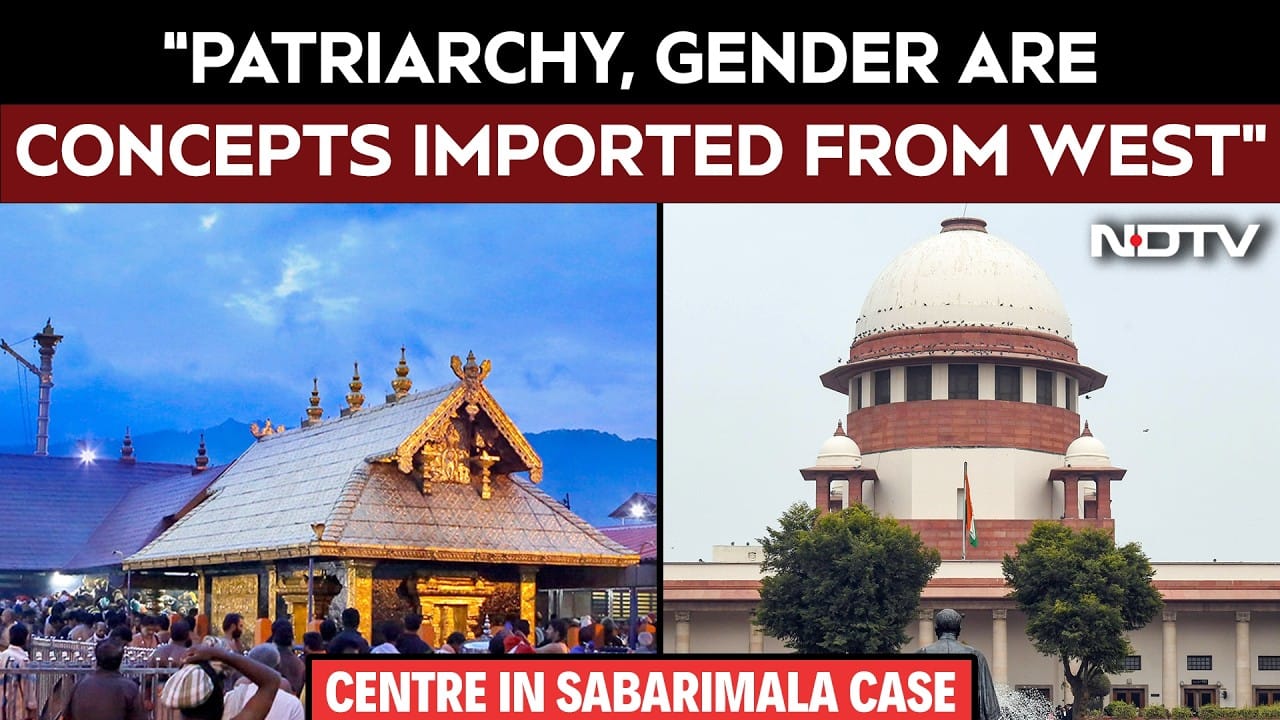
A reference case involving the Supreme Court of India is the Sabarimala reference case, which is one of the greatest constitutional cases with regard to religion and equality.
The Union Government (Centre) also presented a case during the proceedings, claiming that it is not always gender-specific to put restrictions on religious places and that in certain temples, even men cannot go in.
The argument is a twist to the debate on religious freedom and equality.
Historical background of the Sabarimala Issue.
The Sabarimala controversy originated in the 2018 decision in Indian Young Lawyers Association v. State of Kerala in which the Court permitted women of menstruating age to enter the Sabarimala temple.
After vigorous responses and review petitions, additional constitutional issues were put to a bigger bench in 2019.
The current hearings are meant to resolve the main matters of the extent of religious freedom, necessary religious practices, and the court role.
Centre Argument before the Court.
The Centre argued that:
Temple restrictions are not all discriminatory.
Some temples even have their own traditions according to which certain temples are limited in their access depending on the character of the deity.
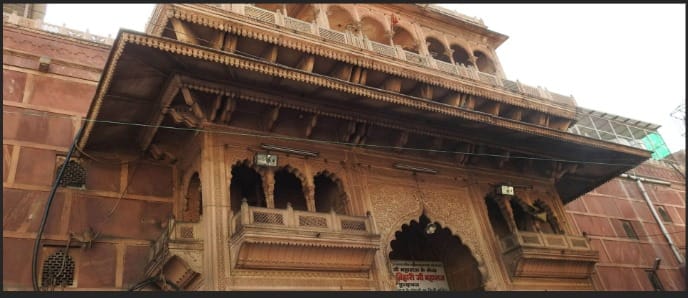
At times men are not permitted to visit certain temples.
This claim was to bring out the point that practices in religion are diverse and cannot be assessed in a homogenous manner.
Explain the Situation of the Argument.
The Centre’s submission is based on the idea that:
The character and traditions of the deity are mostly affixed to religious practices.
The restrictions can be imposed on both men and women; this is subject to the temple.
These practices cannot be considered as just discrimination simply because they are in a religious context.
The aim was to demonstrate that not all entry restrictions violate constitutional principles.
Discussion on Equality and Religious Freedom.
The Court is finding the delicate balance between:
Article 14 – The right of equality.
Article 25 and 26 The right to the freedom of religion.
The people who advocate free access state that gender-based exclusion is a contravention of basic rights.
Conversely, the proponents of the traditional ways believe that religious traditions should be honored.
The argument presented by the Centre tries to reinforce the latter argument.
Principles of Performing Essential Religious Practices.
One of the main problems of the case is the doctrine of essential religious practices.
The Court has to decide whether the restriction at Sabarimala is an essential part of the religion.
According to the Centre, courts needed to be wary when interfering such practices because it was sometimes complicated to dictate what constituted as essential.
Court’s Consideration
All the arguments are being considered with great attention by the Supreme Court.
It has pointed out that:
Both equality and religious freedom are safeguarded in the Constitution.
The difficulty is to reconcile these rights.
The Court also knows that its ruling will not only be applied in Sabarimala, but to various religions and practices.
The Stand of the Centre has implications.
The implications of the argument of the Centre may be far-reaching.
It may:
Enhance the argument in support of safeguarding ancient religious rituals.
Affect the interpretation of the restrictions of entry in places of worship by courts.
Influence other religions on the same differences.
This argument makes a delicate constitutional debate that more com
The Sabarimala reference case still poses some basic questions about faith, rights and judicial role.
The Centre has added a wider angle of religious practices by arguing that even men are not allowed to enter some of the temples.
The Supreme Court ruling will be critical in determining the connection between religion and the constitutional values in India.
Keywords
Sabarimala case, Supreme Court, Centre argument, religious freedom, equality, essential religious practices, Article 14, Article 25, temple entry, Indian constitution.