Current Legal Update

BJP MP’s Derogatory Remarks on Sofiya Qureshi: Legal Consequences Under Bharatiya Nyaya Sanhita, 2023

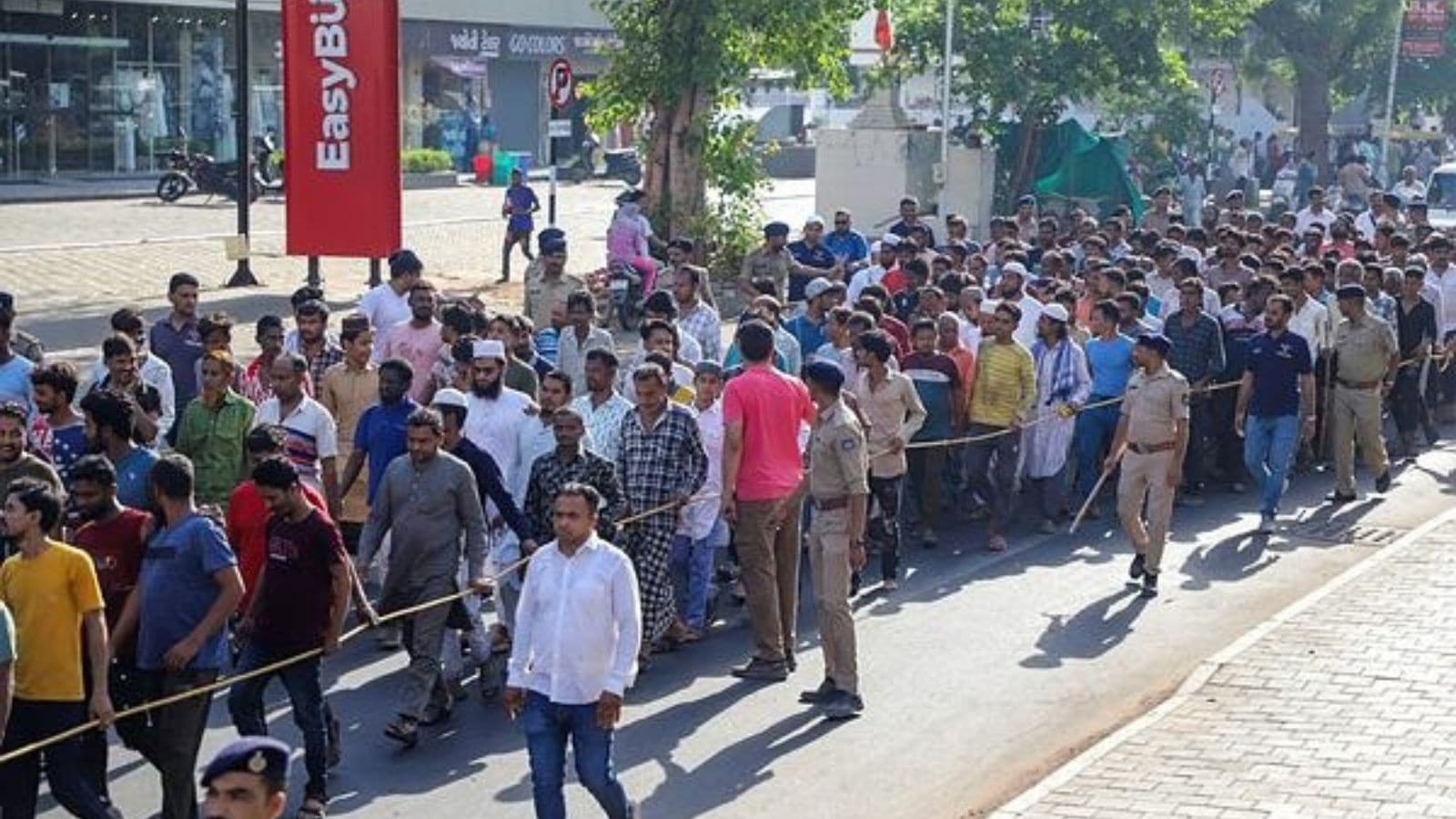
A swift legal and judicial backlash was sparked as a result of the insulting remarks made by BJP minister Kunwar Vijay Shah against Colonel Sofiya Qureshi. These remarks were made in accordance with the Bharatiya Nyaya Sanhita, 2023. The authorities brought attention to the serious nature of communalized and defamatory speech by invoking Sections 152, 196(1)(b), and 197(1)(c). This speech poses a threat to national security, public tranquility, and integration. The First Information Report (FIR) and the subsequent judicial inspection both serve to convey the message that political speech is associated with significant obligations and that the new criminal code will not hesitate to penalize instances of transgression. As India continues to negotiate the issues of diversity and democracy, the Qureshi case stands as a landmark in terms of defining the boundaries of what constitutes acceptable public debate and protecting the dignity of its individuals and institutions.

CRIMINAL LAW

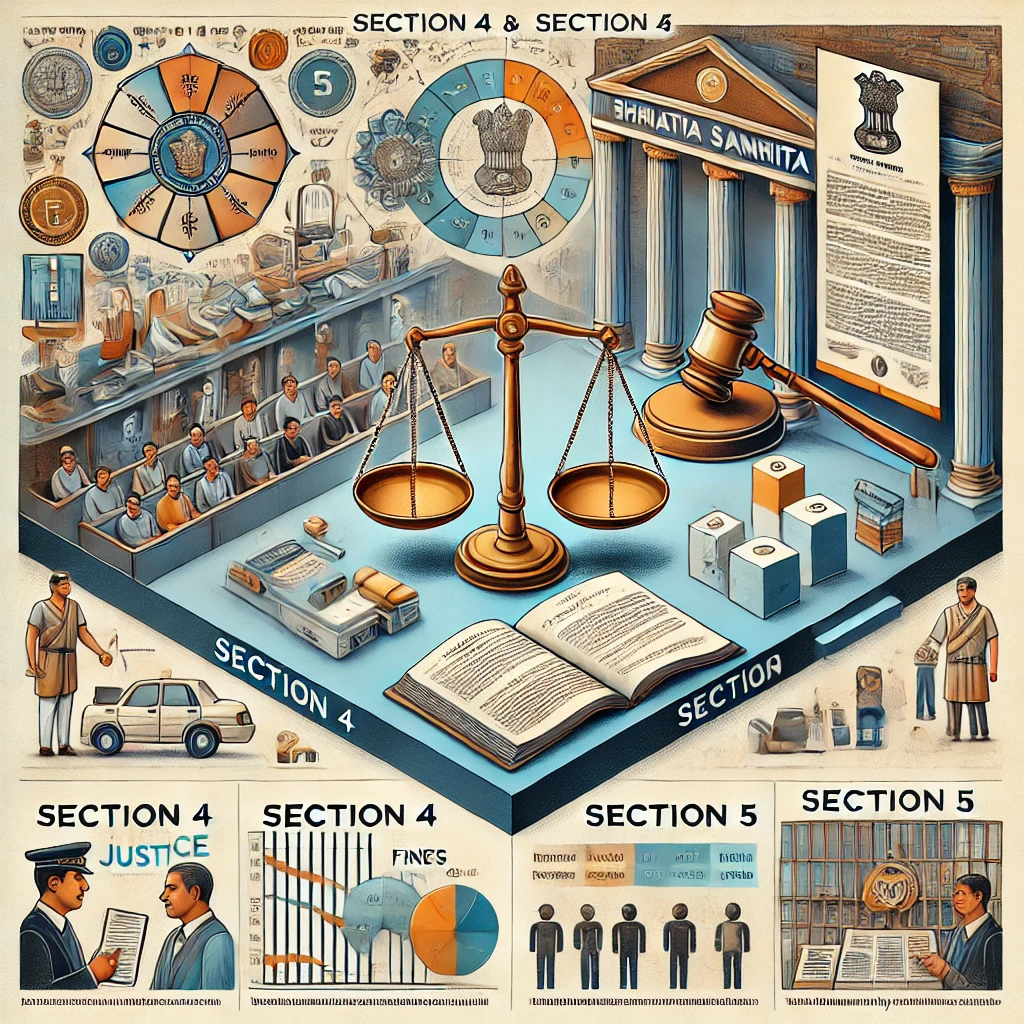
Section 4 and Section 5 of the Bharatiya Nyaya Sanhita 2023 Explain Different Types of Punishments and Their Commutation

The Bharatiya Nyaya Sanhita, 2023, provides a systematic framework of punishments to deliver justice. It harmonizes harsh punishments with equity by enabling the government to alter sentences when needed. With provisions covering punishments from death penalties to community service, the law seeks to deliver justice to match the crime’s gravity as well as permit mercy and reconsideration in meritorious cases.

Constitutional law

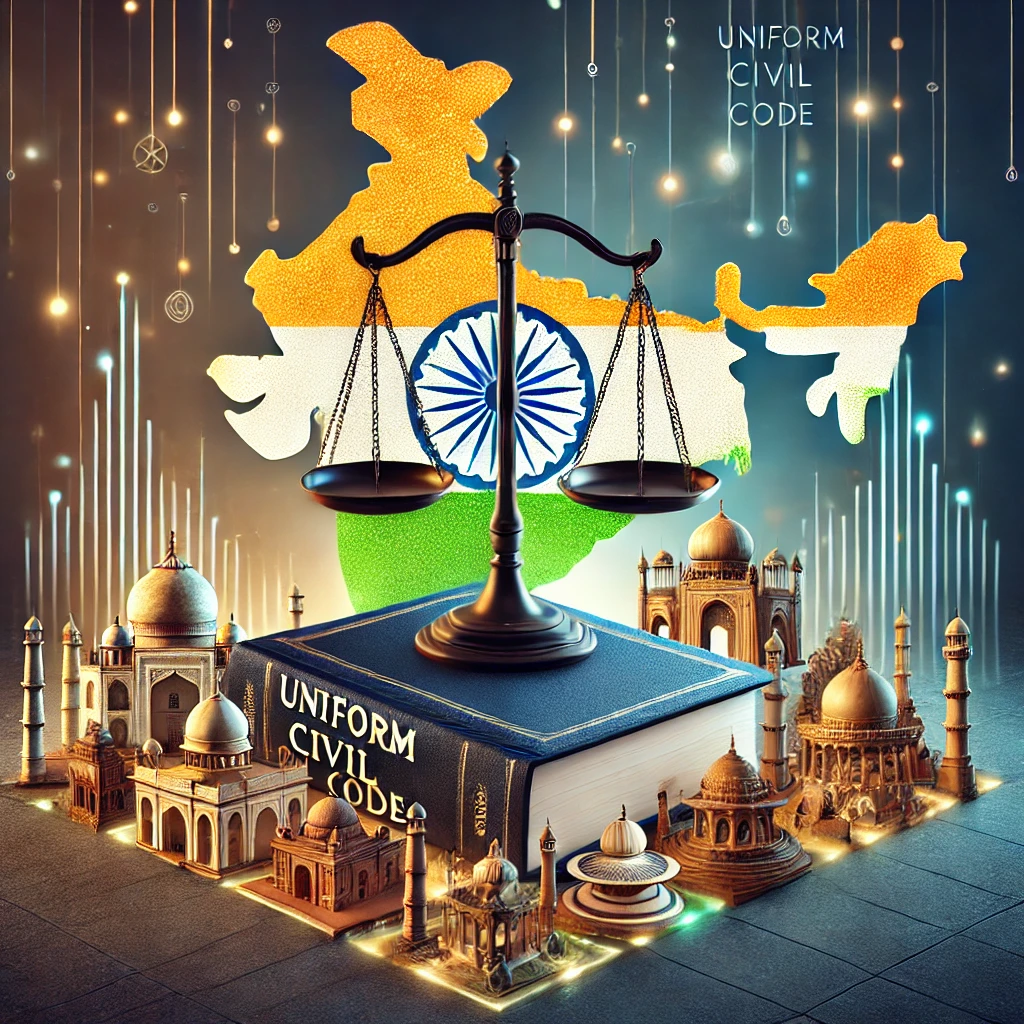
Analysis of Uttarakhand’s Newly Enacted Uniform Civil Code: Key Provisions and Implications for Personal Laws

Uttarakhand has become the first Indian state to enact a Uniform Civil Code (UCC), which aims to standardize personal laws across communities. The code covers marriage, divorce, inheritance, and live-in relationships, promoting gender equality and legal uniformity. It introduces equal inheritance rights, bans polygamy, and mandates the registration of marriages and live-in relationships. While progressive, the UCC raises concerns about cultural sensitivities and potential legal challenges. Its implementation will be a significant step toward fulfilling Article 44 of the Constitution, promoting equality and integrity. Discussions about the adoption of UCC in India will begin based on the experience of Uttarakhand.

Intellectual Property Rights

Exploring Copyright Infringement Risks in the Age of AI: What Content Creators and Developers Need to Know About Protecting Intellectual Property

The rapid growth of artificial intelligence has revolutionized content creation and raised significant concerns about copyright infringement and intellectual property protection. AI-generated content, often derived from datasets containing copyrighted works, challenges traditional notions of ownership and originality. Legal frameworks worldwide, including India’s Copyright Act, are still evolving to address these complexities. This article explores the risks of copyright infringement in AI, the legal uncertainties, and strategies for protecting intellectual property. By understanding copyright laws and implementing safeguards, content creators and developers can navigate these challenges effectively.