Supreme Court

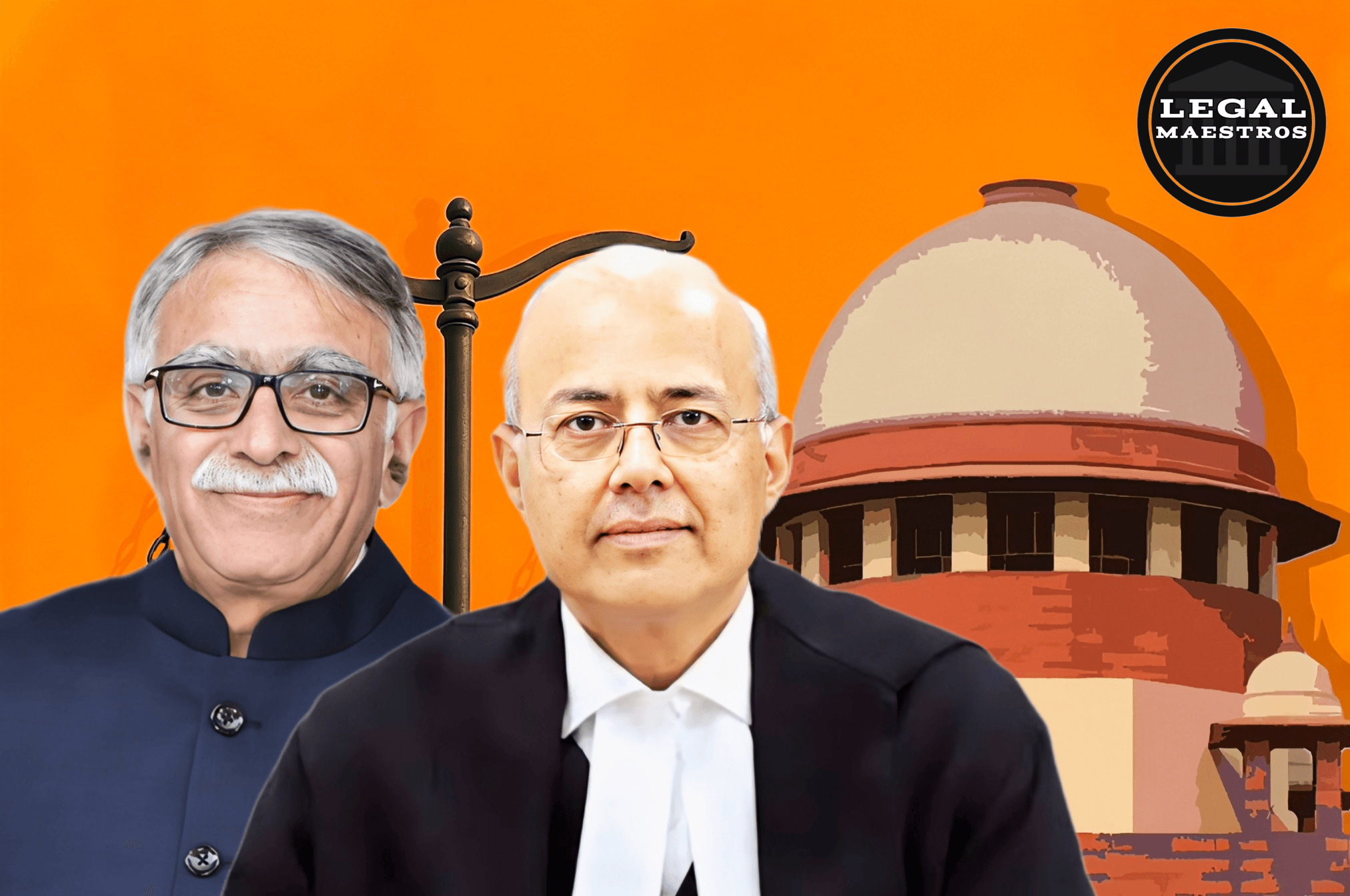
Supreme Court Clarifies Evidence Rules in Sameer Sandhir v. CBI (2025) — Justice Abhay S. Oka

The decision that the Supreme Court made in the case of Sameer Sandhir v. CBI (2025) is dissected in this article. Particular attention is paid to the admission of omitted evidence post-chargesheet in accordance with Sections 173(5) and 173(8) of the Criminal Procedure Code, as well as the treatment of electronic evidence in accordance with Section 65B of the Evidence Act.

Supreme Court

Supreme Court in Vinod Bihari Lal Case: Justice B.R. Gavai Sets Limits on UP Gangsters Act

As a result of the Supreme Court’s decision that crucial legal and procedural requirements were not completed, the proceedings against Vinod Bihari Lal that were brought under the Uttar Pradesh Gangsters Act were dismissed. The verdict preserves constitutional protections for individuals who have been accused of a crime and strengthens safeguards against the misuse of preventive laws.

Supreme Court

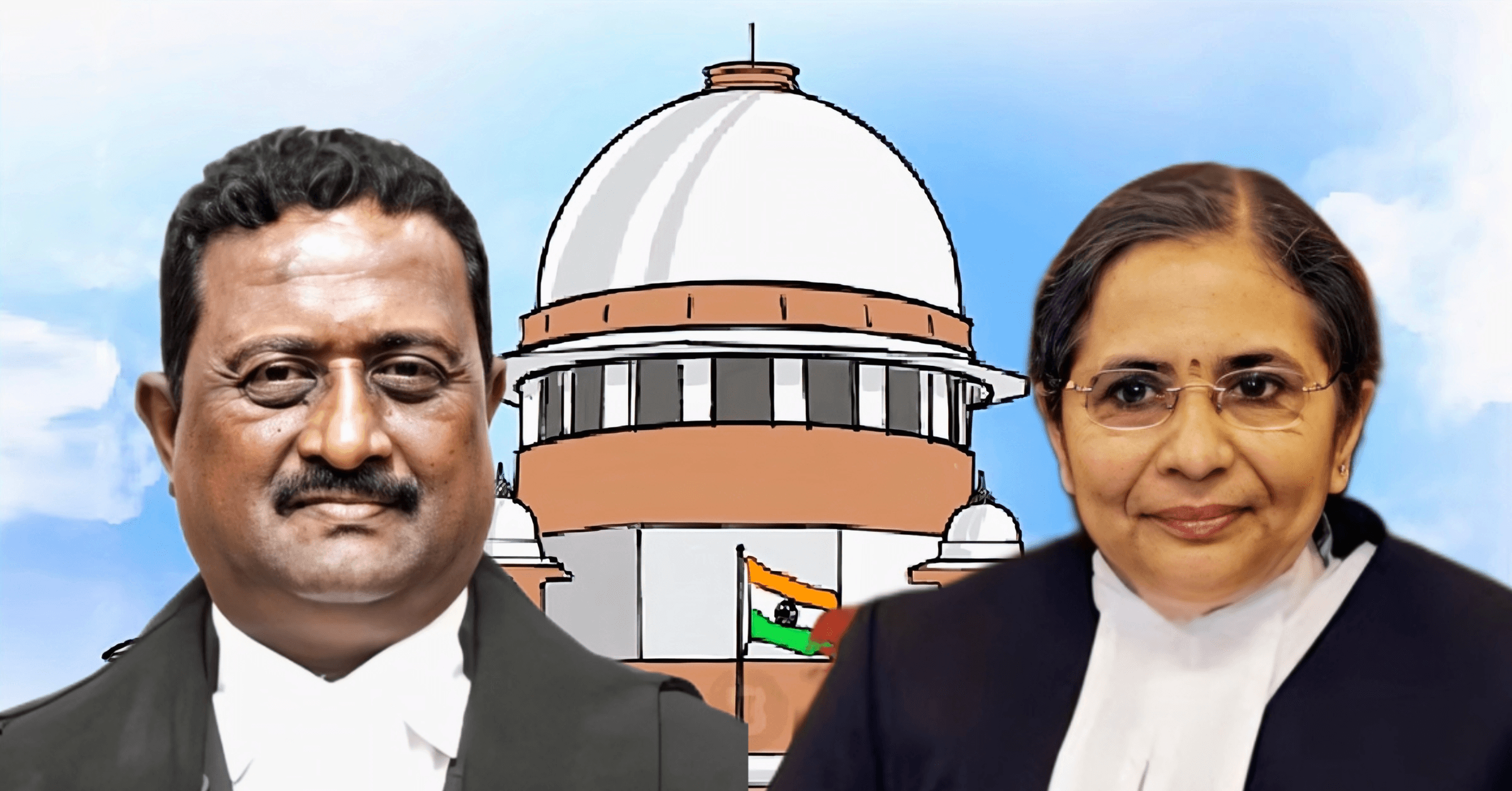
Land Dispute Settled After 14 Years: Supreme Court Steps In – Peter Augustine v. K.V. Xavier – Justice J.B. Pardiwala

This particular case highlights the clarification that the Supreme Court has provided regarding property disputes. It emphasizes that consistent boundaries in legal documents take precedence over clerical errors in survey data, and that superfluous remands should be avoided in order to maintain judicial efficiency and guarantee that justice is delivered in a timely manner.

Supreme Court

Balancing Tribal Tradition and State Power: Old Jalukai v. Kakiho Village, Supreme Court Judgment by Justice J.B. PARDIWALA

The purpose of this case study is to investigate the decision that the Supreme Court made in the case of Old Jalukai Village Council v. Kakiho Village. The case focuses on the interaction that exists between traditional tribal practices, constitutional safeguards, and administrative procedures in the process of village recognition within the context of Nagaland’s distinct socio-legal systems and territorial boundaries.

Supreme Court

Unregistered Property Papers Cannot Transfer Title, Says Supreme Court in Vinod Infra Case – Justice Surya Kant Presiding

Unregistered documents are not allowed to transfer property title, according to the Supreme Court’s ruling, which also reaffirmed the jurisdiction of civil courts in cases involving ownership disputes. The complaint was reinstated, drawing attention to the fact that major title issues must be tried in court and cannot be dismissed on the basis of procedural technicalities.

Current Legal Update

Court Overturns Trump’s Harvard Foreign Student Enrollment Ban

The attempt by the Trump administration to restrict Harvard University from enrolling overseas students was unsuccessful and was blocked by a federal court in the United States in May of 2025. As a result of the administration’s decision to remove Harvard’s certification to access the Student and Exchange Visitor Information System (SEVIS), the legal status of about 6,800 international students was put in jeopardy. Using the argument that the action was retaliatory and violated constitutional rights, Harvard filed a lawsuit. Harvard’s authority to enroll international students has been temporarily restored as a result of the ruling made by the court, which calls attention to the difficulties that exist between federal immigration policy and academic autonomy.