Promotion Can not be withdrawn after retirement: Orissa High Court guards the rights of employees.
. Introduction Orissa High Court gave a significant ruling that no employee can be denied promotion even after retirement. This…
Keeping Pace with Legal Change
. Introduction Orissa High Court gave a significant ruling that no employee can be denied promotion even after retirement. This…
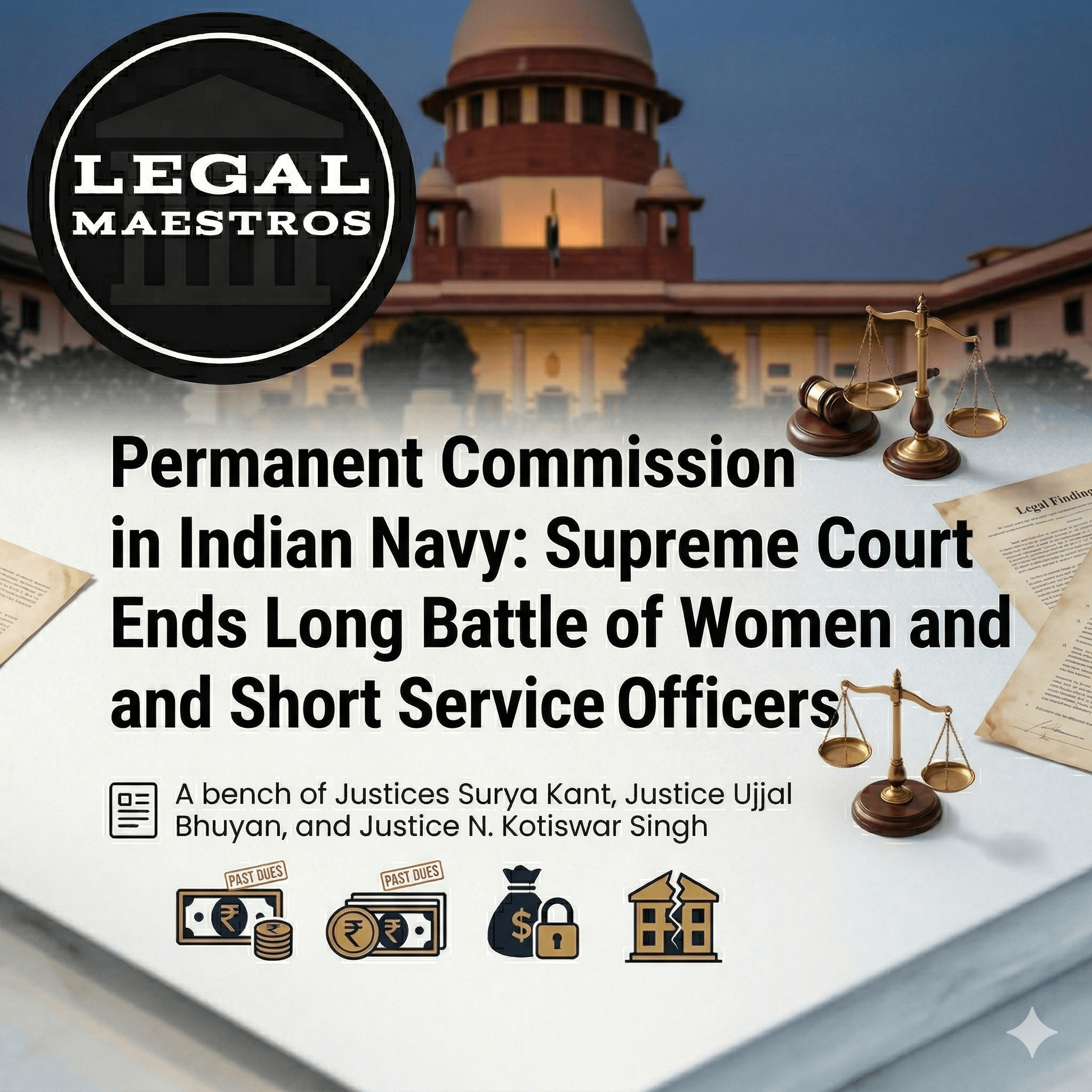
Here is a simple English article with headings, based on the Supreme Court judgment you provi The Supreme Court of…
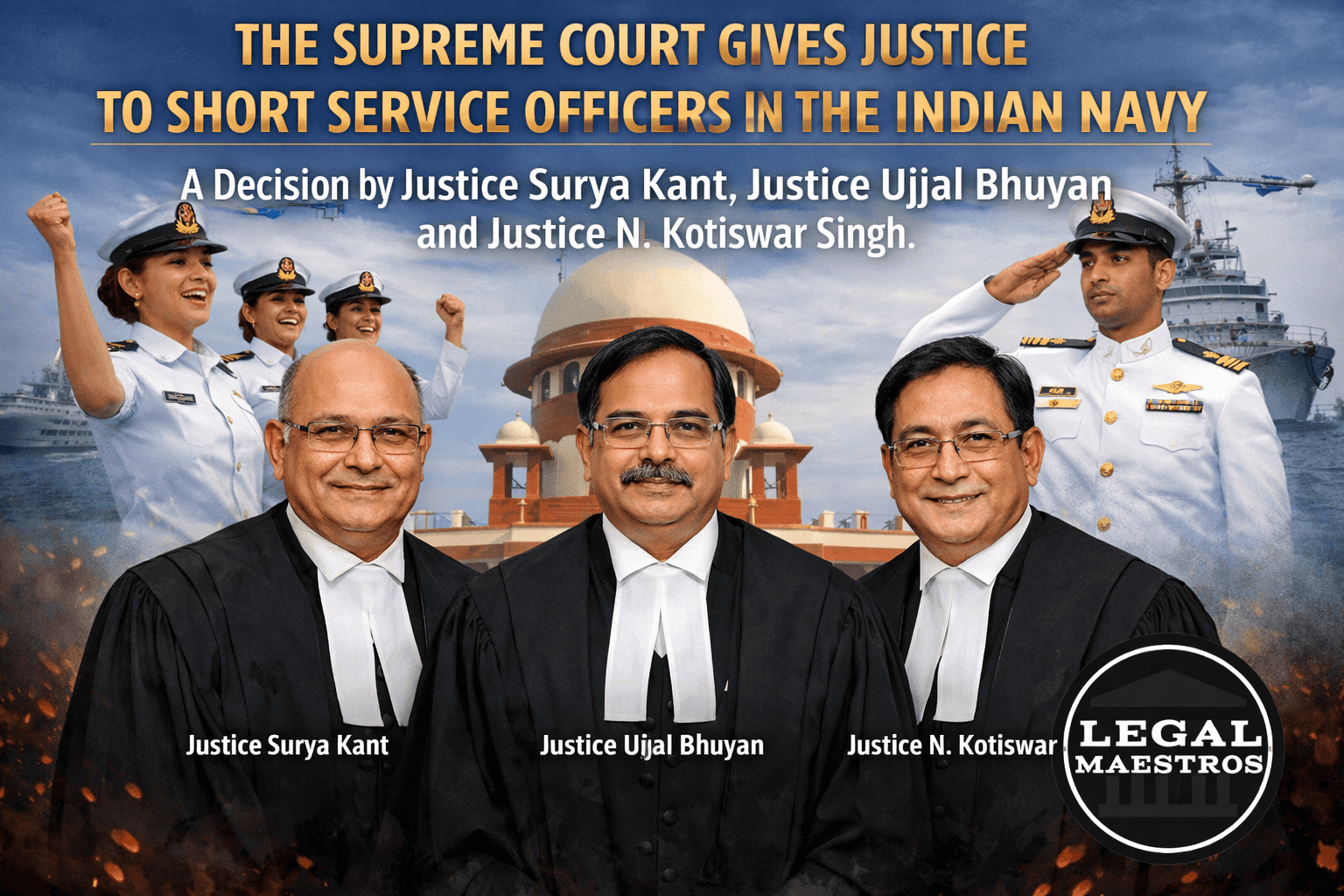
Background of the Case Some Short Service Commission Officers went to court because they were not given Permanent Commission in…
Here is your article written in simple English, with headings only, no bullet points, and covering all required aspect Introduction…
In a classic case, the Supreme Court set aside criminal cases against distant relatives, who had been falsely dragged into a dowry harassment case. The ruling adds strength to the point that general and lackluster claims of criminality are not sufficient to allow trial that will weaken innocent family members against the frivolous use of the law.
In this case, the Supreme Court struck down a penalty imposed on a senior retired Assistant Engineer, Ram Prakash Singh, under Rule 27 of Tripura Administrative Services Rules on procedural lapse and violation of due process, leaving it clear that departmental inquiry is subject to strict adherence to due process which entails production of evidence, timely conclusions and fair hearing opportunities.
In this historic decision, the Supreme Court made it clear that those who are on deputation are still under the protection of section 197 of CrPC and cannot be charged without such a sanction and the important constitutional protection is intact.
In order to safeguard retired workers from having to recover overpayment salaries that were issued as a result of administrative errors, the Supreme Court emphasized that no recovery may be made without a hearing and that there must be no instances of fraud or misrepresentation on the part of the employee.
In a decision that found in favor of retired stenographers, the Supreme Court halted the recovery of extra income that had been given out as a result of a clerical error. This decision brought to light the principles of equity, non-fraudulent overpayment, and equal opportunity of hearing in matters pertaining to public employment.
As a result of the Supreme Court’s decision, a bank employee who has been terminated from their position and is entitled to terminal benefits is able to make a claim for a pension if they are otherwise eligible under the regulations. Clarification was provided by the Court about the relationship between pension requirements and settlement terms.