Column

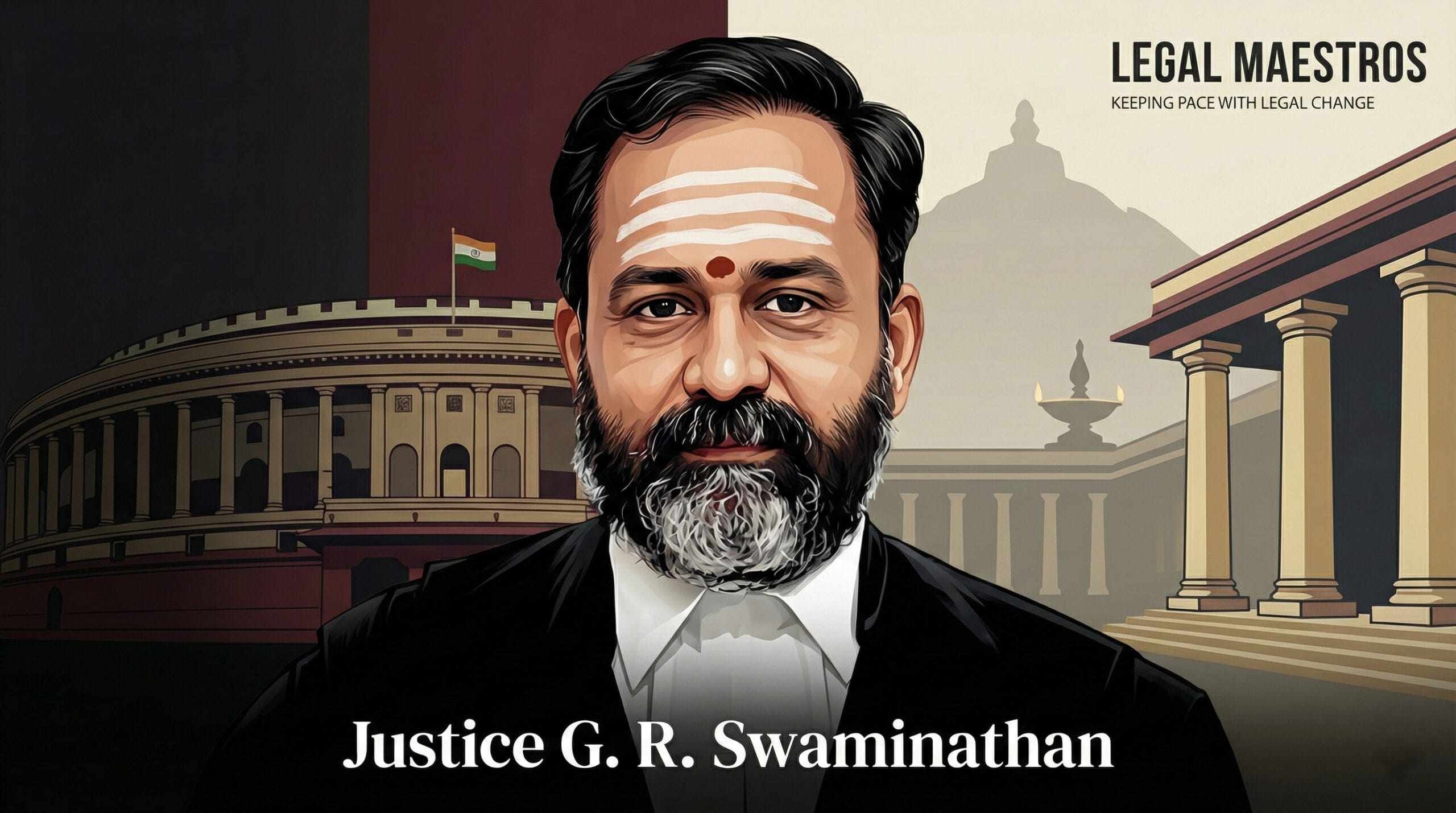
Sacred Spaces, Secular Power, and a Sitting Judge: The Justice G.R. Swaminathan Impeachment Debate

What makes this matter worse is the fact that this motion is rooted less in clear cases of judicial bias but more on the fact that the State Government was dissatisfied with the judicial outcome which touched upon sensitive religious and political terrain. If legislation started acting on every dissatisfaction it has it will set a wrong precedent ad risks judiciary being subordinated to shifting winds of politics. 

Current Legal Update

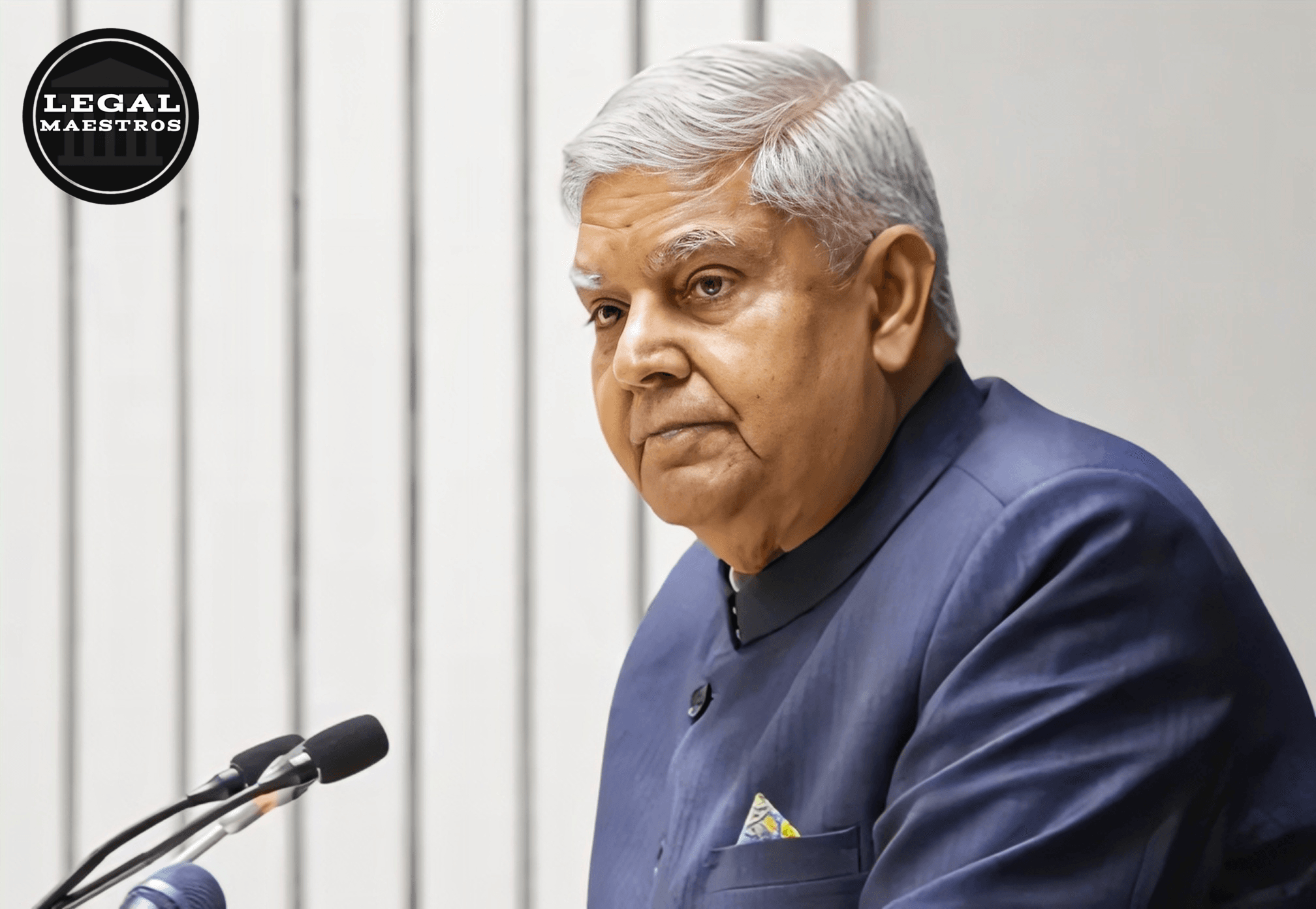
Vice-President Dhankhar Questions CJI’s Role in CBI Director Appointment

This paper will look into the doubts raised by the Vice-President Dhankhar of the input of the Chief Justice of India in the appointment of the head of a central investigative agency, the CBI. It outlines the legal set-up, in particular the DSPE Act and composition of the Selection Committee, and its roots lie in judicial pronouncements. The article only displays facts with no opinion indulgence so as to explain the controversy.

Current Legal Update

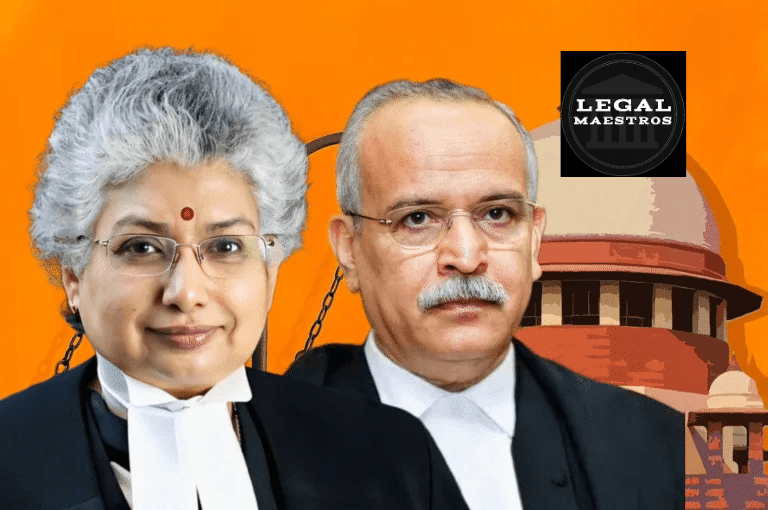
Presidential References Under Article 143: Constitutional Implications in the Tamil Nadu Governor Deadline Dispute

The difference of opinion about the deadline for the governor of Tamil Nadu, as well as the subsequent presidential reference under Article 143, constitute a significant turning point in constitutional law. Specifically, it examines the equilibrium that exists between written requirements, such as the mandate for legislative sessions to take place every two years, and the norms that control the behavior of governors. Because of the advisory judgment issued by the Supreme Court, the concept of gubernatorial powers and the relationship between the center and the state will be shaped for many years to come. In conclusion, this case highlights the critical need of having clear constitutional mandates, maintaining steadfast respect for democratic procedures, and exercising discretionary power in a deliberate manner by constitutional officials.