Centre informs Delhi High Court: With CJI, appointment of NCLT president pending since December 2025.
. Introduction A big question of appointing the President of the National Company Law Tribunal (NCLT) was presented before the…
Keeping Pace with Legal Change
. Introduction A big question of appointing the President of the National Company Law Tribunal (NCLT) was presented before the…
The third pillar of the largest democracy of the world which is known as the Indian judiciary plays its role…
This paper will look into the doubts raised by the Vice-President Dhankhar of the input of the Chief Justice of India in the appointment of the head of a central investigative agency, the CBI. It outlines the legal set-up, in particular the DSPE Act and composition of the Selection Committee, and its roots lie in judicial pronouncements. The article only displays facts with no opinion indulgence so as to explain the controversy.
Justice Khehar earned the Padma Vibhushan for landmark judgments on instant triple talaq, the right to privacy, and judicial appointments, his tenure as the first Sikh Chief Justice, and his steadfast defence of constitutional values, judicial independence, and social justice.
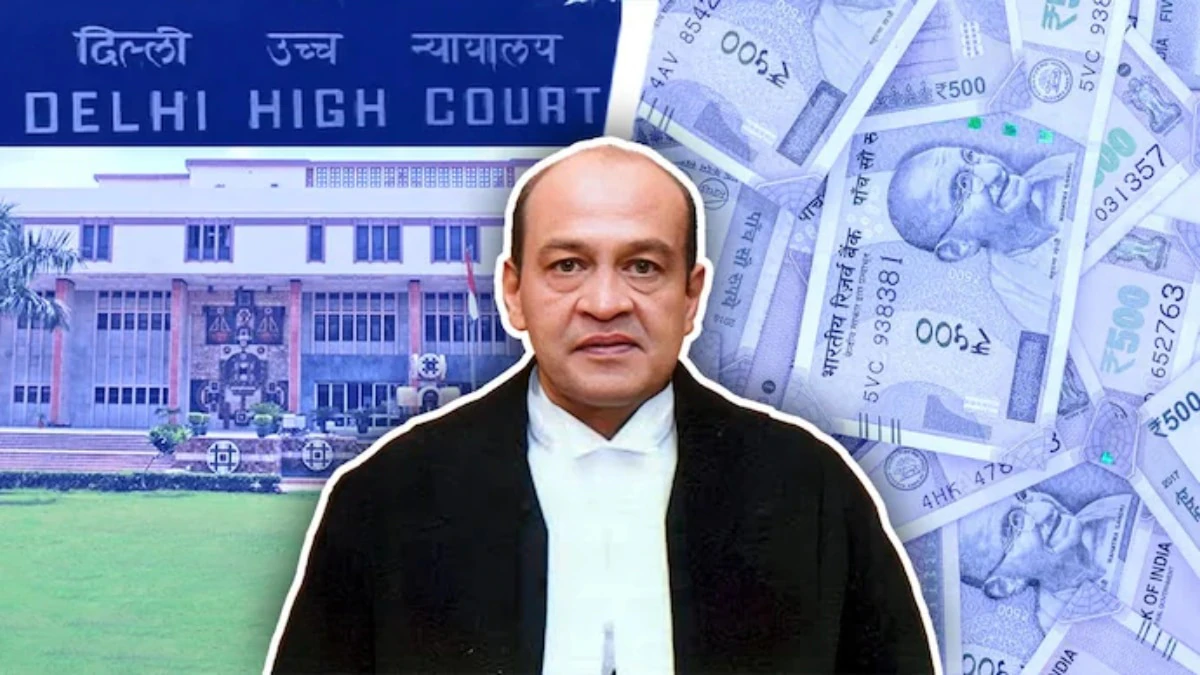
As a result of the payment incident involving Justice Yashwant Varma, India’s constitutional processes for judicial removal are currently being investigated. The rigorous procedures that are outlined in Articles 124 and 217, which are reinforced by the Judges (Inquiry) Act of 1968, demonstrate a considerate equilibrium between the independence of the judiciary and accountability. Despite the fact that impeachment provides a formal way to remove a judge from their position for misconduct that has been demonstrated, the process is complicated, time-consuming, and politically delicate. An approach that is both respectful and capable of resolving the issue in a timely manner while maintaining public confidence is providing a voluntary resignation. In the end, it may be necessary to combine both approaches in order to guarantee the integrity of the judicial system. This would involve combining robust constitutional safeguards with the moral persuasion of voluntary resignation in the event that substantial allegations are brought up.