Current Legal Update

Ashoka University Professor’s Arrest Over Operation Sindoor Post: Supreme Court to Examine Free Speech and Legal Misuse

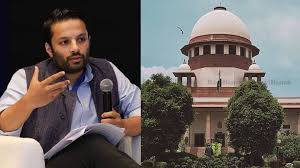
The Supreme Court will hear a plea challenging the arrest of Ashoka University professor Ali Khan Mahmudabad, detained on May 18, 2025, over a Facebook post on Operation Sindoor. Arrested under Bharatiya Nyaya Sanhita for allegedly endangering sovereignty and promoting enmity, Mahmudabad’s post praised India’s military action but criticized selective support for Muslim officers. Senior advocate Kapil Sibal argues the arrest violates free speech under Article 19(1)(a). The case highlights tensions between national security and academic freedom, with the Court set to examine potential legal misuse. Updates are available on Legal Maestros.

Uncategorized

Difference Between FIR Under S. 154 CrPC & S. 173 BNSS as Explained in IMRAN PRATAPGADHI Case

The Supreme Court’s decision in the case of Imran Pratapgarhi v. State of Gujarat is the subject of this article, which provides an explanation of major legal issues like the differemce between FIR in old and new criminal law. The protection of free speech under Article 19(1)(a), the significance of police discretion under BNSS, and the role of the judiciary in avoiding the misuse of criminal law against lawful expression are all brought to light by this.

Current Legal Update

BJP MP’s Derogatory Remarks on Sofiya Qureshi: Legal Consequences Under Bharatiya Nyaya Sanhita, 2023

A swift legal and judicial backlash was sparked as a result of the insulting remarks made by BJP minister Kunwar Vijay Shah against Colonel Sofiya Qureshi. These remarks were made in accordance with the Bharatiya Nyaya Sanhita, 2023. The authorities brought attention to the serious nature of communalized and defamatory speech by invoking Sections 152, 196(1)(b), and 197(1)(c). This speech poses a threat to national security, public tranquility, and integration. The First Information Report (FIR) and the subsequent judicial inspection both serve to convey the message that political speech is associated with significant obligations and that the new criminal code will not hesitate to penalize instances of transgression. As India continues to negotiate the issues of diversity and democracy, the Qureshi case stands as a landmark in terms of defining the boundaries of what constitutes acceptable public debate and protecting the dignity of its individuals and institutions.

Current Legal Update

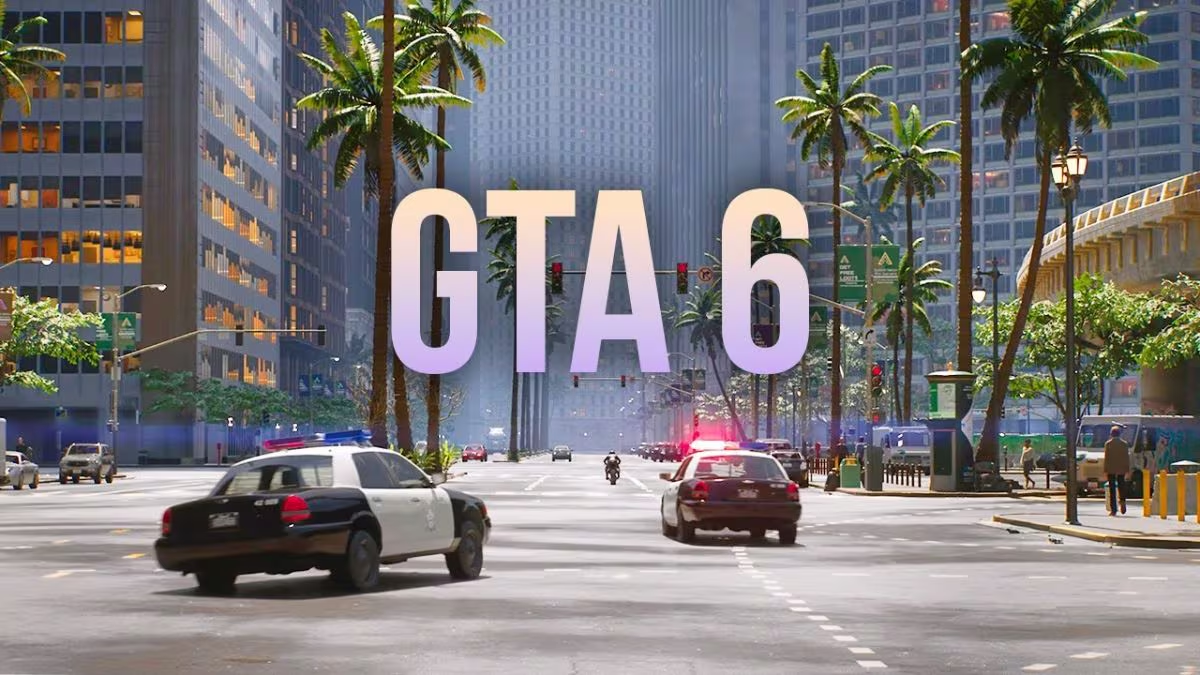
GTA 6 and Public Morality: Examining India’s Obscenity Laws in the Context of Digital Gaming

The excitement around GTA 6 highlights the broader question of how India’s obscenity laws apply to interactive digital media. While Section 292 IPC and Section 67 IT Act establish a foundation, they were not drafted with video games in mind. Landmark decisions have shifted the legal test from the rigid Hicklin standard to a community-based approach, allowing for more nuanced judgments. Yet, the absence of clear rules for digital gaming means that enforcement remains uncertain. To safeguard both societal values and freedom of expression, India needs a tailored regulatory mechanism for video games. Such a mechanism would address the unique challenges of interactivity, global distribution, and evolving community standards, ensuring that the law remains relevant in the digital age.