
Current Legal Update

Massive Judicial Reshuffle: President Appoints 5 New Chief Justices, transfers 4 CJs and 19 Judges on SC Collegium’s Advice

The President of India appointed new Chief Justices to five High Courts and transferred four others, alongside relocating 19 High Court judges. This is based on the Supreme Court Collegium’s recommendations. This major reshuffle, grounded in Articles 217 and 222 of the Constitution and aims to ensure efficiency, uphold judicial independence and reduce pendency. The move reflects ongoing reforms in judicial administration, balancing transparency, regional equity and institutional integrity amid growing demands for timely justice.
Current Legal Update

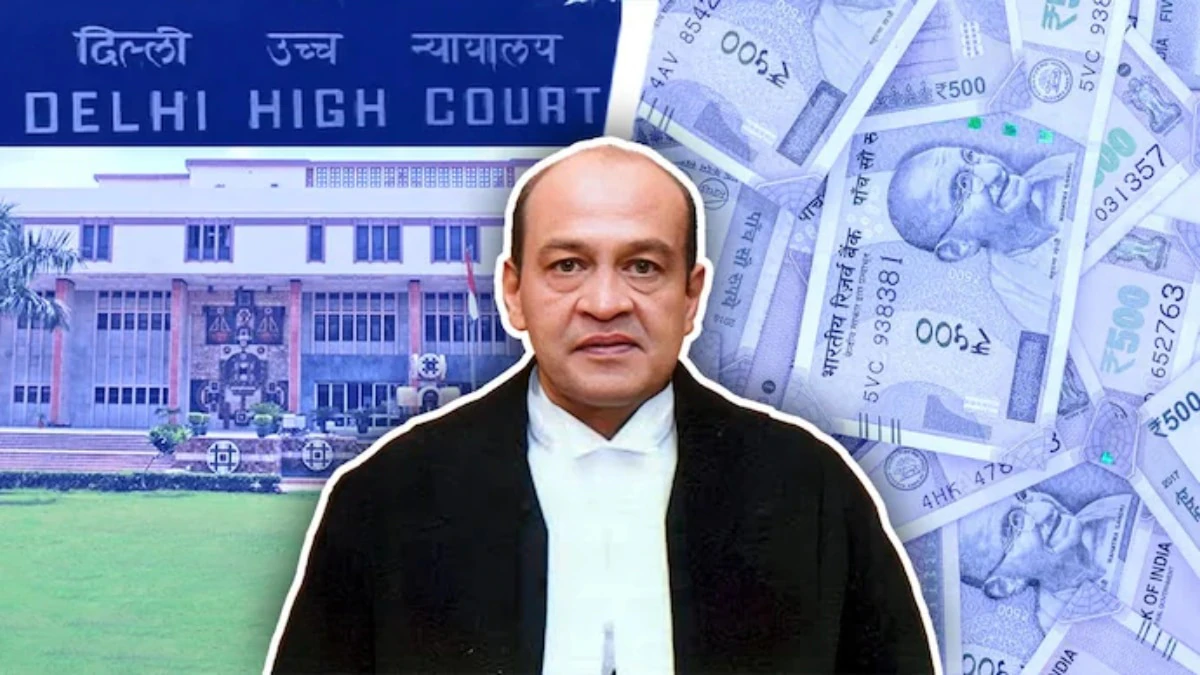
Justice Yashwant Varma’s Cash Scandal: Constitutional Analysis of Impeachment vs. Voluntary Resignation

As a result of the payment incident involving Justice Yashwant Varma, India’s constitutional processes for judicial removal are currently being investigated. The rigorous procedures that are outlined in Articles 124 and 217, which are reinforced by the Judges (Inquiry) Act of 1968, demonstrate a considerate equilibrium between the independence of the judiciary and accountability. Despite the fact that impeachment provides a formal way to remove a judge from their position for misconduct that has been demonstrated, the process is complicated, time-consuming, and politically delicate. An approach that is both respectful and capable of resolving the issue in a timely manner while maintaining public confidence is providing a voluntary resignation. In the end, it may be necessary to combine both approaches in order to guarantee the integrity of the judicial system. This would involve combining robust constitutional safeguards with the moral persuasion of voluntary resignation in the event that substantial allegations are brought up.