CRIMINAL LAW

Section 25 of the Bharatiya Nyaya Sanhita 2023 Addresses Acts Causing Harm Done with Consent Without Intent to Cause Death or Grievous Hurt

Section 25 of the Bharatiya Nyaya Sanhita, 2023, stipulates that an act not intended or known to likely cause death or grievous hurt is not an offense if the person harmed is over eighteen and has consented to the risk. For example, if two adults agree to fence for amusement and one is injured without foul play, no offense is committed.

Current Legal Update

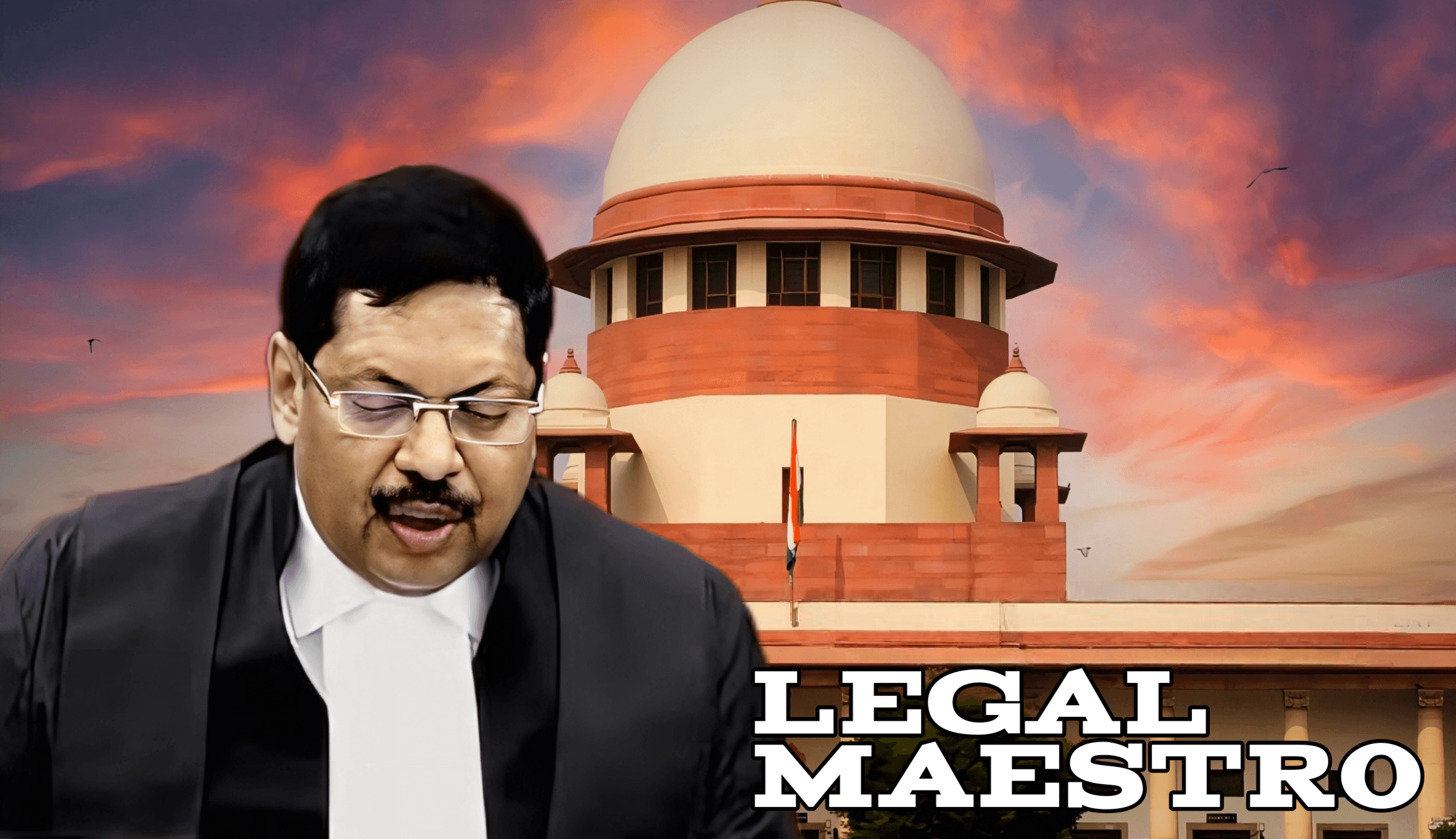
Justice B.R. Gavai’s Landmark Ruling on Equal Pension Rights for High Court Judges

The idea of equality in pensionary benefits for retired High Court judges was reiterated by the Supreme Court of India in a historic ruling that was originally penned by Chief Justice B.R. Gavai. This principle applies to retired judges regardless of their service background. When it comes to concerns concerning pensions, gratuities, and other terminal benefits, the Supreme Court ruled that all judges, regardless of whether they were promoted from the Bar or the District Judiciary, must be treated in the same manner. In addressing problems pertaining to discrimination, service breaks, and the applicability of the New Pension Scheme, the Court placed particular emphasis on the constitutional duty of equality that is found in Articles 14 and 16. By making this decision, the independence of the judiciary is strengthened, and the dignity of constitutional office is maintained.

CRIMINAL LAW

Section 24 of the Bharatiya Nyaya Sanhita 2023 Holds Individuals Accountable for Offenses Requiring Intent or Knowledge Committed While Intoxicated

Section 24 of the Bharatiya Nyaya Sanhita, 2023, addresses the issue of criminal liability in cases where an offense requires specific intent or knowledge, and the act is committed under intoxication. According to this provision, if an individual voluntarily becomes intoxicated and commits such an offense, they are held legally responsible as if they possessed the required intent or knowledge, regardless of their impaired state. However, if the intoxication was involuntary—meaning the substance was administered without their knowledge or against their will—this may serve as a defense, acknowledging that the individual lacked the capacity to form the necessary intent or knowledge due to the involuntary intoxication.

Current Legal Update

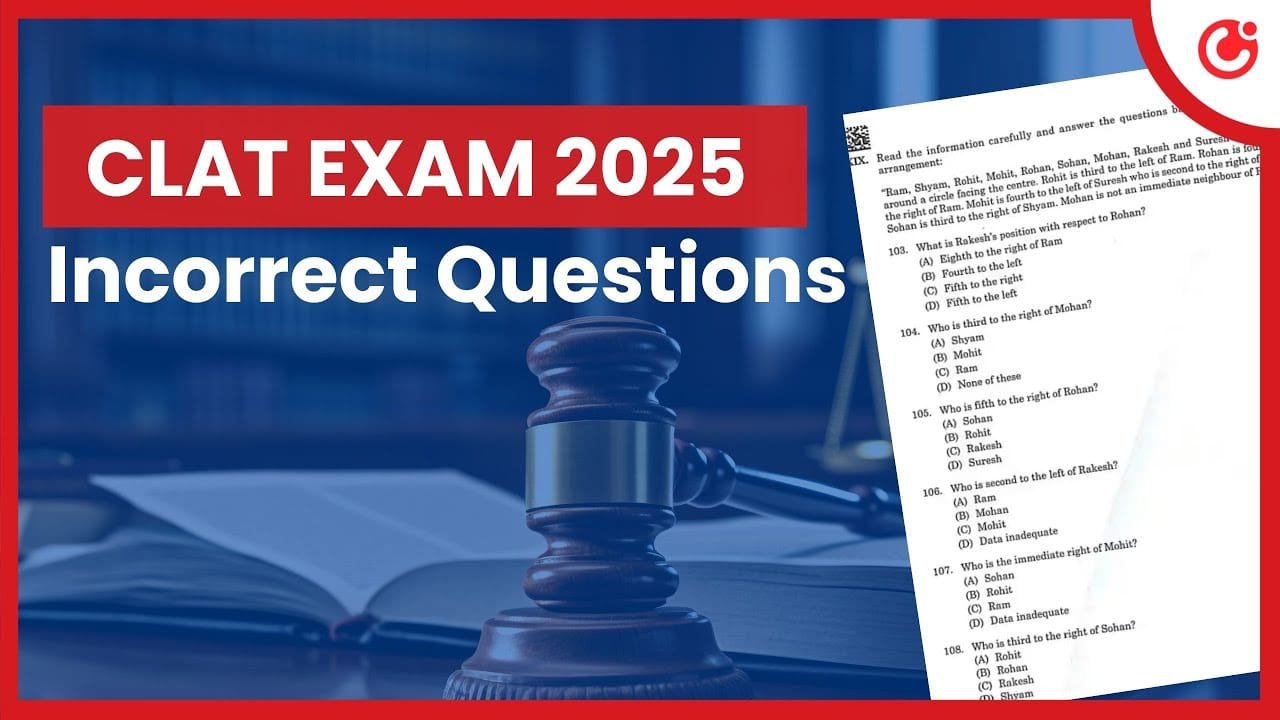
How CLAT UG 2025’s Flawed Logical Reasoning Section Sparked Nationwide Petitions

As soon as the CLAT results were announced, students discovered that several Logical Reasoning questions were flawed. The ambiguity of certain puzzles and the lack of clear premises led many to believe their scores were unfairly affected. Within hours, petitions began pouring into high courts in Delhi, Mumbai, Chennai, and other cities. Candidates demanded the removal of disputed questions, correction of answer keys, and reissuance of merit lists. The urgency of admission deadlines heightened the pressure on courts to act quickly. This immediate legal response underscored the high stakes of the exam and the depth of nationwide frustration.

Current Legal Update

Urgent Need for Codified Tort Laws in India: Addressing Gaps in Medical Negligence and Civil Wrongs   

Although there are statutes, rules, and court rulings in India, the laws that govern civil wrongs and medical negligence are still dispersed throughout the country. Because of this fragmented approach, victims who are looking for justice, healthcare providers who are dealing with legal uncertainty, and courts that are addressing a variety of claims are all left with a sense of perplexity. There is an immediate requirement to codify tort law in India, which would involve bringing all concepts under the purview of a single, organized statute. To define rights, duties, and remedies for medical negligence and other civil wrongs, codification would streamline litigation and increase accountability. Codification would also streamline the process of litigation. The purpose of this article is to investigate the historical backdrop of Indian tort law, to identify important gaps in medical negligence claims, to investigate the benefits and problems of codification, and to provide ideas for the development of an efficient Tort Code that is suitable to India’s legal and social situation

Current Legal Update

Judicial Restraint in the Spotlight: CJI B.R. Gavai Explains Why Judges Avoid Public Platforms

In this article, Chief Justice of India B.R. Gavai discusses his thoughts on the reasons why judges have generally refrained from communicating with the public on public venues. Specifically, it investigates the origins of judicial restraint in the context of maintaining impartiality, the difficulties that are presented by live streaming and social media, and the possibility that statements could be taken out of context. Gavai places a strong emphasis on the necessity for judges to maintain a proper distance while remaining acutely aware of the realities of society. Also discussed in this post is the necessity of striking a balance between the integrity of judicial decision-making and the implementation of technological and transparency efforts. In conclusion, it examines the changing nature of judicial behavior in the future, taking into account the advent of instant communication and the extensive monitoring of the public.

Current Legal Update

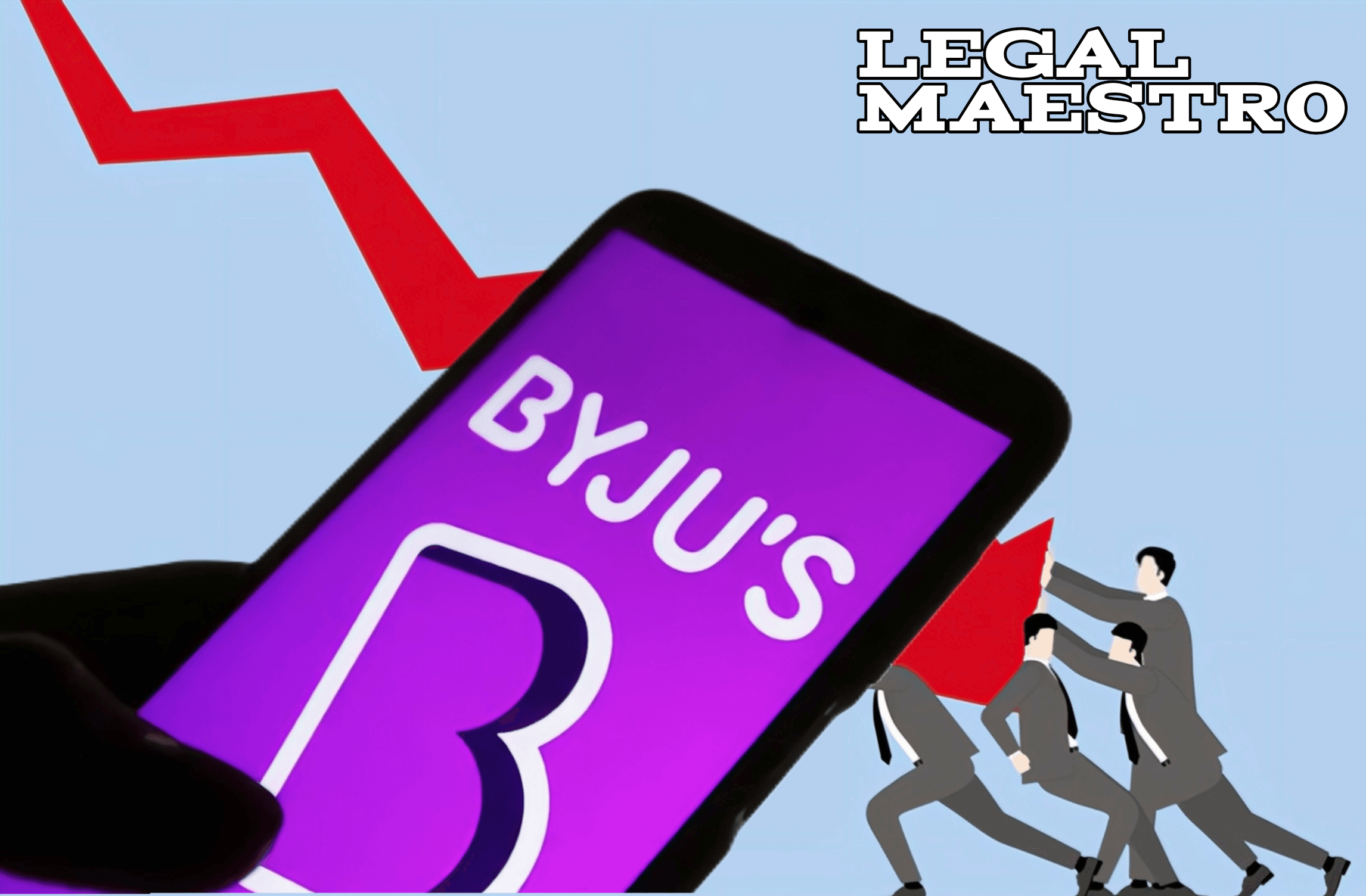
Byju’s Financial Crisis Unveiled: Understanding the Complex Web of Lawsuits and Bankruptcy Filings  

Byju’s, which was formerly considered the most prestigious company in India’s educational technology sector, is currently in the epicenter of a widespread financial catastrophe. It was a default on a term loan that was worth $1.2 billion that sparked this problem, which ultimately resulted in a Chapter 11 bankruptcy in the United States. Following the discovery of a missing $533 million, a flurry of lawsuits were filed in the bankruptcy courts of the United States, alleging that the company’s founders and affiliates had concealed assets. Additionally, regulatory investigations and internal instability have been taking place in India at the same time that insolvency processes and legal challenges have been taking place. The current turbulence that Byju is experiencing is defined by the complex legal battles, regulatory interventions, and operational challenges that are discussed in this article. Additionally, the article explores what the future holds for the troubled company.

Current Legal Update

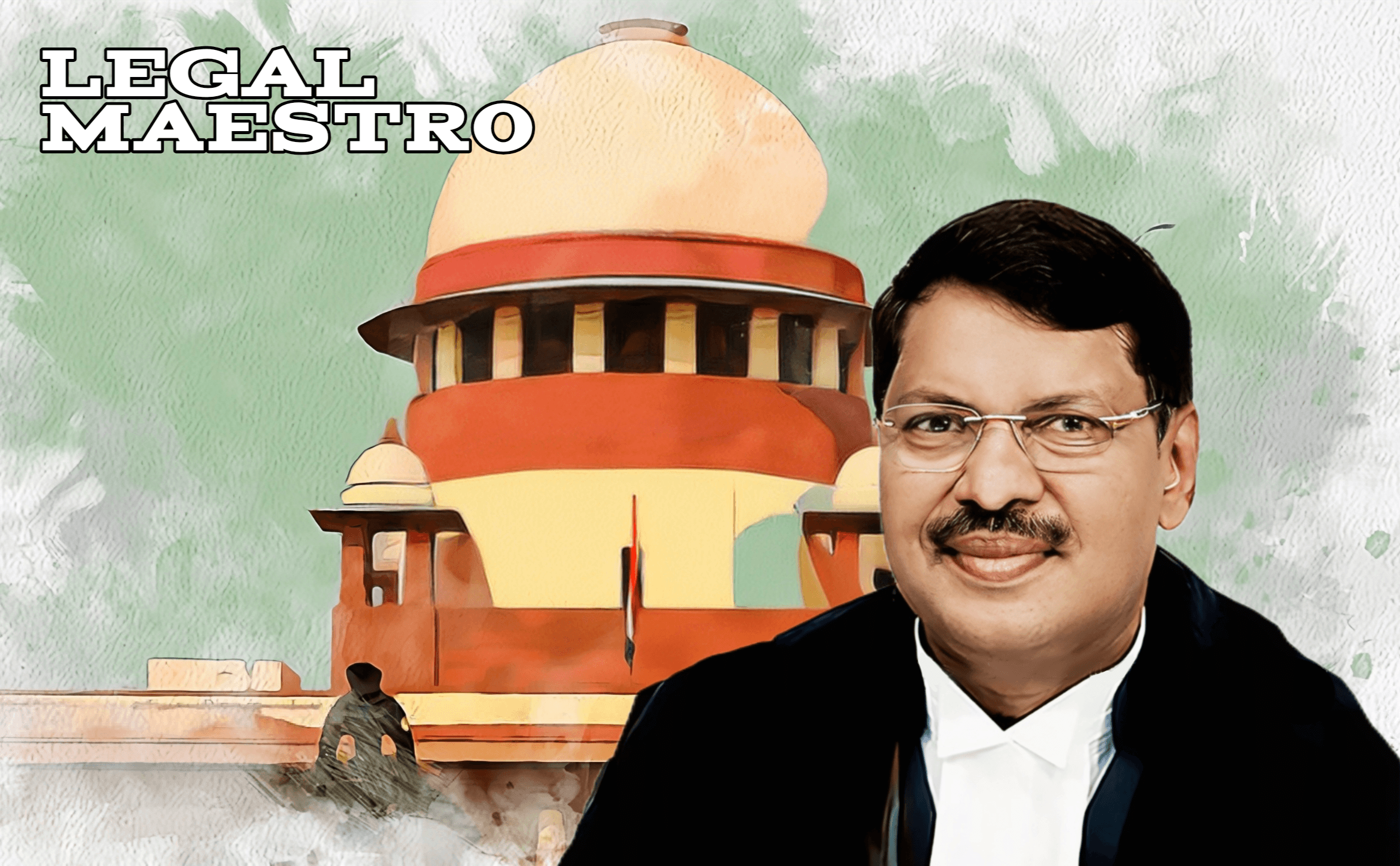
Justice B.R. Gavai: Tracing the Journey of India’s 52nd Chief Justice from Amravati to the Supreme Court  

Justice Bhushan Ramkrishna Gavai, who was born on November 24, 1960 in Amravati, Maharashtra, ascended from humble beginnings to become India’s 52nd Chief Justice of the Supreme Court on May 14, 2025. He was born in Amravati. After graduating from Amravati University with a degree in commerce and law, he started his own practice in 1985 and has steadily climbed through the ranks, holding positions such as standing counsel, additional public prosecutor, and High Court judge. In 2019, he was appointed to the Supreme Court, and since then, he has written hundreds of judgments in a wide range of subjects, including constitutional issues, criminal law, and environmental protection. He is the first Buddhist and the second Dalit to hold the position of Chief Justice, and his tenure as Chief Justice, which has lasted for six months, is a historic first. The author of this article discusses his biography, professional accomplishments, judicial philosophy, and the lasting impact he had on the legal landscape of India.


Current Legal Update

Opening India’s Legal Market: Implications of BCI’s New Regulations for Foreign Lawyers and Firms

Under the new Bar Council of India regulations, foreign lawyers and law firms may advise on foreign law, international law, and participate in international commercial arbitration within India. They are expressly barred from appearing in Indian courts or handling domestic litigation. Eligibility depends on a reciprocity principle, meaning the home jurisdiction of the foreign lawyer or firm must offer similar rights to Indian advocates. Applicants must register with the BCI, submit a no-objection certificate from their home regulator, and provide details of clients and the scope of their work.

Foreign lawyers without a local office are restricted to a cumulative stay of sixty days per calendar year, ensuring that prolonged engagements still involve domestic counsel. Registered practitioners must renew their certificates annually and comply with professional conduct rules as overseen by the BCI. These measures aim to balance the benefits of international expertise with safeguards for India’s legal community.