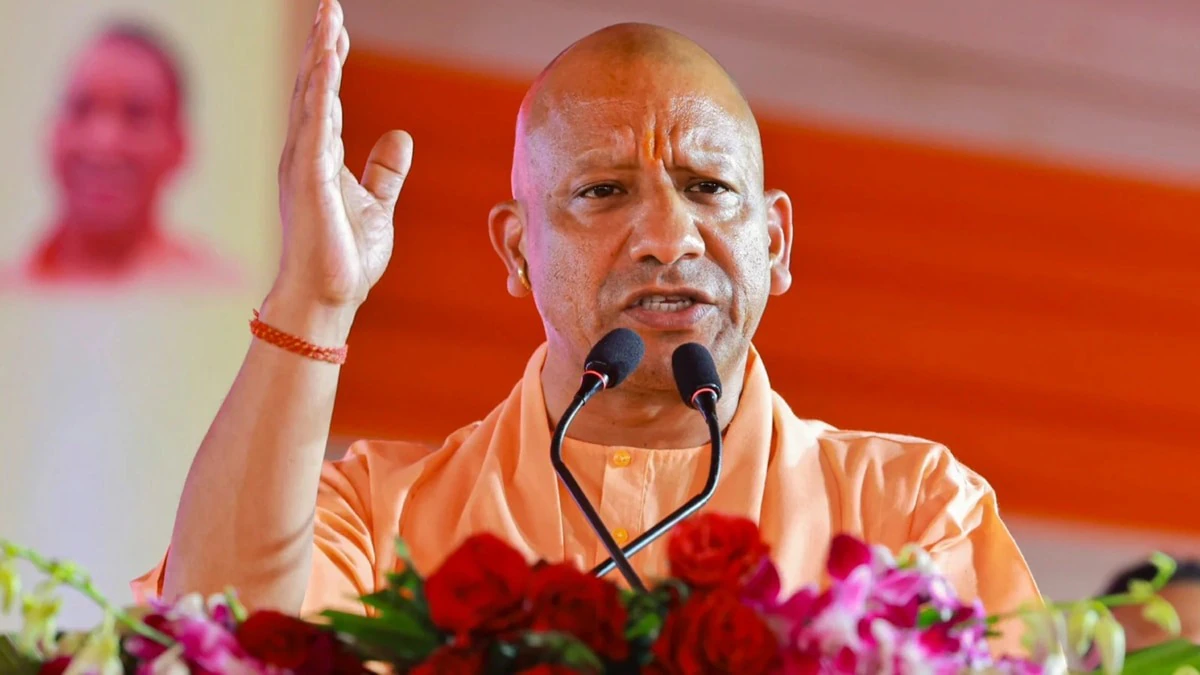
Lucknow conveyed a simple message. On Sunday afternoon, Yogi Adityanath held a video conference and explained the guidelines for Eid-ul-Azha celebrations. He addressed directly the police chiefs and district magistrates of Uttar Pradesh. He would not break an iota of his rules. Namaz will not be offered on public roads. Sacrifices of animals in open, public places are not permitted. The state apparatus is gearing up for the festival on May 28th in a big way.
This creates a typical clash of state and religion. Everyone is entitled to freely exercise their religion according to the Constitution. However, the state says this right is extinguished if a street is obstructed or a public drain is blocked by animal waste. The government of India is drawing a very thin line. They are saying that during big festivals, religion should go back to the private
https://thelogicalindian.com/yogis-bakrid-restrictions-spark-fresh-debate-over-public-namaz-and-equal-enforcement/realm. When a tradition becomes “inconvenient” to the public, tradition must adapt.
The Ground Rules for the Festival were established.The Ground Rules for the Festival were laid down.
The instructions given by the Chief Minister are very clear and precise. Sacrifices can only be made at specific locations, which are approved beforehand. There will be no new spots available this year. During the festival period, public sale of meat was totally prohibited.
The logistics of the event is extremely closely monitored by local authorities. Even slaughterhouses that have licenses are being closely monitored. They have been cautioned not to keep animals beyond the legal limit. The state is calling for a perfect disposal of trash. Local authorities have been directed to make sure that post-sacrifice does not end up in sewers or public footpaths.
Next, prayers come. Adityanath’s word play was very apt. He set it clearly that roads are built for the use of ordinary people and the traffic. If they are blocked for prayers, then they will be the subject of immediate police action. If the people have gathered in a large number then it has been directed that prayers should be offered as substitutes in the mosques and in Eidgah. The state is basically enforcing crowd control under the guise of traffic control.
This is the Rules of the Game.This is the Constitution and the Limits of Faith.
The crux of the issue here is Article 25 of the Indian constitution. It’s one of the most talked-about parts of the law book. The article assures freedom of conscience. Gives citizens the freedom to profess, practice, and propagate religion. The government is strict on the guidelines; many of the minority people feel that this is an unnecessary ban on their traditional ways of life.
The law, however, does have its restrictions. Religious freedom is specifically limited to public order, morality and health in Article 25. The Uttar Pradesh government is heavily using these three exceptions. State lawyers and officials contend that the thousands of people that converged on a major arterial road brings “public order to a complete standstill. Ambulances get stuck. Daily wage earners are not allowed to commute.
Additionally, the administration references public health. During the summer months, slaughtering animals in neighborhood lanes poses serious sanitary problems. Organic waste and blood in open areas breed diseases. It is important that the banning is made exclusively in terms of traffic law and municipal hygiene so as to avoid the charge of religious interference. They are not prohibiting the main ritual of Bakrid. They are actively controlling the physical environment in which the ritual occurs.
The fear of tension, Security Marches.
It will be a huge task to implement this policy in such a big state as Uttar Pradesh, which has police strength of only 2.30 lakh. The government is very sensitive to any restrictions on religious practices generating an instant reaction. The Chief Minister has directed the quick deployment of security forces in sensitive areas over the weekend. There is heavy police activity in Aligarh, Bijnor, Saharanpur, Rampur and Sambhal.
Local police stations are directed to go through their archives. Police are looking for people who have been engaged in festival violence in the past. There is a possibility of preventive detentions. There are continuous foot patrols and flag marches around major religious institutions, which are covered in uniformed officers.
In addition to the strong-arm tactics, the administration is attempting a new tactic. They are conducting weekly meetings in the community known as chaupals at the block level. Revenue officers and local police sit with villagers to settle the problems before they blow up. Peace committees are trying their best to make sure that the new rules are disseminated to local clerics. The goal is simple. The state would like compliance without the need to use riot gear.
A systemic change is needed.Systemic change is required.
Uttar Pradesh is making the most of a tough negotiation but it is by no means on its own this year. The discussion on public order and religious festivals has spread to various parts of the country. The Delhi government also had its own set of strict regulations recently. They warned that dumping animal waste into public sewers is totally prohibited and threatened criminal action for the sacrifice of any bovine animals.
In Mumbai, the municipal corporation is actively encouraging slaughtering to be conducted at organized slaughterhouses. They will be using a mobile application to manage permits and operate a 24-hour control room to respond to complaints.
But, the tone is special in Lucknow. It’s to the point and unwelcoming. The festival is a great chance to flex raw UP government muscle. I think they’re making it very clear that the state controls public land. This message is not only for a single festival. It’s a more general statement on the physical presence of religion in the future.