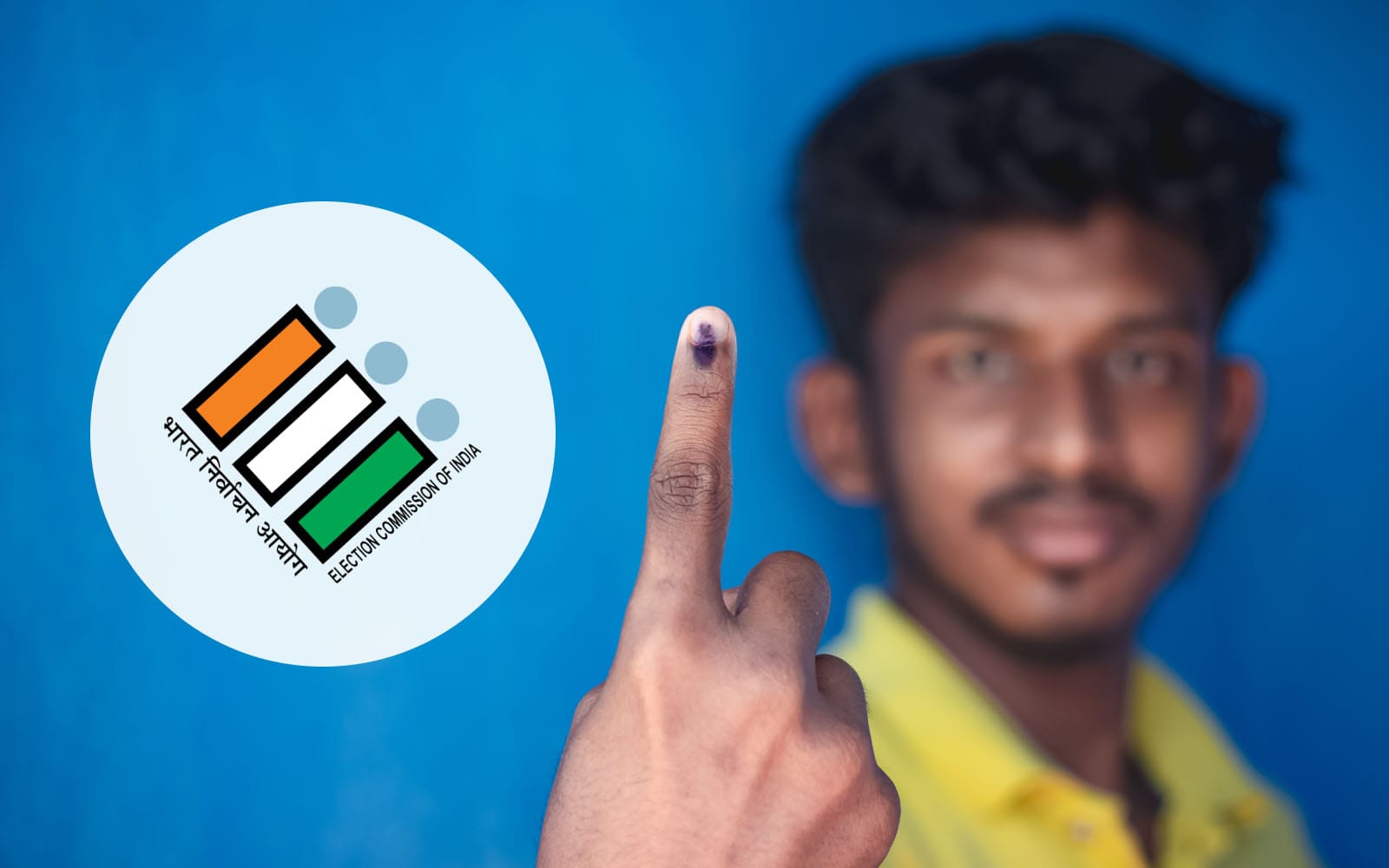
“Democracy is, as it were, a party,” we are told. However, in the freezing cold, cavernous halls of India’s Supreme Court, it’s more of a serious structural engineering challenge. The institutions protect the foundation, if it is the vote. And the last time the Bench went into a tizzy about one pillar of the democracy is the Election Commission of India (ECI). The message from the Supreme Court is as stark as it is uncomfortable: one of the Election Commissioners who is in the service of the Executive is a political issue, and a serious threat to the “basic structure” of the Republic
The appointment of the men (they have almost always been men) who run our elections was (and still is) a behind the scenes process. The government of the day selected a retired bureaucrat, the President signed the dotted line and that was that. It worked on a sort of “gentleman’s agreement” of neutrality. However, the Supreme Court in its recent landmark observations has put an end to the concept of the gentleman’s agreement. Justice K.M. Joseph’s bench didn’t mince words when it noted that the country needs a Chief Election Commissioner who can stand up to the most powerful person in the country—the Prime Minister—if necessary
The court’s concern is with a particular, very human weakness— nicknamed “yes-man syndrome” by the first person who described it.
If the executive can hire and fire the referees playing the electoral game, then it’s too easy for the referees to go home team. There are subtle things, it’s not always about rigging it out. Timing of a vote announcement. Partial or differential application of the Model Code of Conduct. The clean chit awarded to a ‘firebrand’ speech for an ‘opposition’ leader in his absence. These are the small snubs at fair play, which over time compromise voters’ confidence in the ballot box
The controversy over the ruling in 2023 has only deepened the division in the legislature. When the Court had directed a selection committee comprising of the PM, the Leader of the Opposition and the Chief Justice of India, the government was quick to enact a new law. That law replaced the Chief Justice with a member of the Union Cabinet. It’s a minor change on paper, but it’s a change none the less. In theory, it gives the executive a 2-1 advantage in all hires.
At first glance, the government’s rebuttal is sound and within the bounds of the constitution. They claim that the Constitution (324) clearly provides the President (and, consequently, the Cabinet) the authority to make such appointments until the Parliament passes a law. Finally, they have passed that law. In what way is the judiciary to be concerned in an executive function? This is a typical “red line” separation-of-powers argument. But in a vacuum, it makes sense.
But we don’t live in a vacuum. In a hyper polarized political climate, the ECI is now being watched more than ever for its spine and less for its logistical brilliance, which is still world-class. The Supreme Court’s demand for a “neutral” selection process acknowledges that the ECI is not like any other government department. It is an umpire. Also, you don’t appoint the umpire for the World Cup final by the host country captain.
It is ironic that the very people who are criticized for being overreaching are the ones who are begging for a sense of restraint in other matters. However, the Court is assessing the state of modern elections, where money is thrown in the dark, social media is being manipulated, and campaigns are getting ever more vitriolic, and they see the Election Commission as the final line of defense.
The fear doesn’t necessarily have to be that the system will fail the next day. The fear is that the public trust is slowly and quietly rotting away. When the majority of voters think that the referee is playing the incumbent’s game, the “free and fair” term is a meaningless jargon. The Supreme Court is not seeking for an over-ambitious resume or for the paper to be cleaner; it’s asking for a ghost in the machine, a spirit of independence that can stand up to the tremendous pressure of the Indian electoral furnace. But, can a committee that is heavily weighted toward the Executive really create such a character? Ultimately, a referee who resorts to a ‘yes’ reply is the same as any other player on the pitch.