CRIMINAL LAW

Bharatiya Nagarik Suraksha Sanhita, 2023: Detailed Explanation of Section 196 and Related Provisions

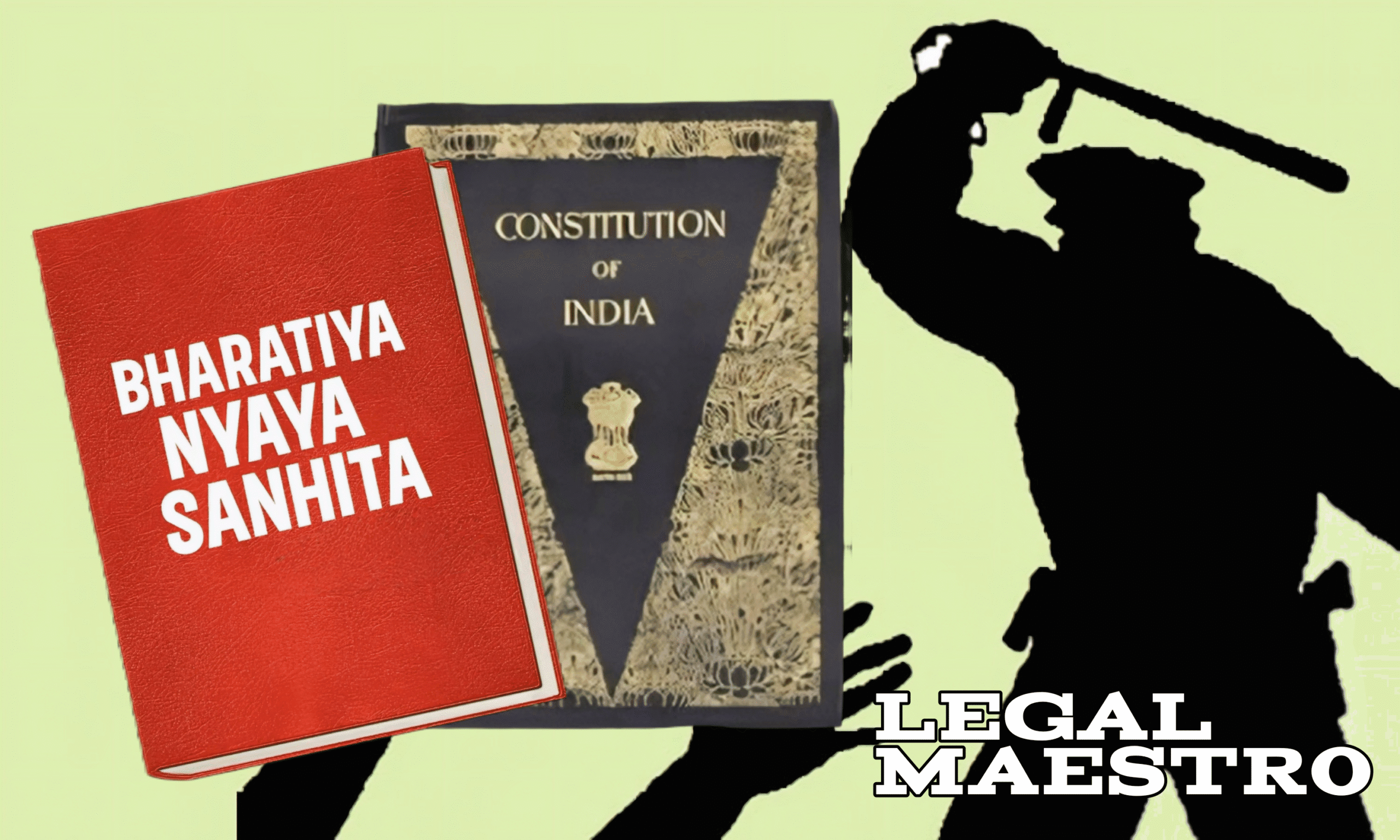
The Bharatiya Nagarik Suraksha Sanhita, 2023 (BNSS), which replaces the Criminal Procedure Code of 1973, introduces Section 196, which outlines how police should examine witnesses during investigations. This section requires that statements be recorded under oath to ensure their accuracy and legal validity, aligning with the BNSS’s emphasis on strong evidence collection. Additionally, related provisions such as Section 194 (which deals with the initiation of investigations) and Section 195 (which covers the summoning of individuals) create a comprehensive framework for building cases effectively. Section 196 highlights the importance of witness cooperation and procedural transparency, adapting to the needs of modern policing while maintaining fairness. This demonstrates India’s dedication to reforming its criminal justice system.

CRIMINAL LAW

Bharatiya Nagarik Suraksha Sanhita, 2023: A Comprehensive Overview of Section 195 and Related Provisions

The Bharatiya Nagarik Suraksha Sanhita, 2023 (BNSS), which replaces the Criminal Procedure Code of 1973, introduces Section 195. This section gives police officers the authority to summon individuals who have knowledge of the case during investigations as outlined in Section 194. This change aims to improve the efficiency of investigations by requiring those summoned to comply, which aligns with the BNSS’s goal of modernizing criminal procedures. Additionally, related sections like 194 (investigation powers) and 196 (examination of witnesses) provide greater clarity in the process, focusing on the quick collection of evidence and the cooperation of witnesses. These revisions reflect the ongoing evolution of India’s justice system, emphasizing the importance of streamlined processes and accountability.

CRIMINAL LAW

Bhartiya Sakshya Adhiniyam, 2023: An Overview of Section 194 and Related Provisions

The Bharatiya Sakshya Adhiniyam, 2023 (BSA), which replaces the Indian Evidence Act of 1872, introduces Section 194 that deals with the presumption of certain offenses based on electronic evidence. This section allows courts to assume that specific crimes have been committed if there are authenticated digital records to support this. This aligns with the BSA’s goals of modernization. Additionally, related provisions regarding the admissibility of electronic evidence (Sections 63-65) improve procedural clarity and integrity, highlighting the importance of expert certification and secure handling. These changes signify India’s move towards a technology-driven justice system, addressing modern challenges like cybercrime while upholding fundamental evidentiary principles.

CRIMINAL LAW

Understanding Section 247 of the Bharatiya Nagarik Suraksha Sanhita, 2023: Concluding Insights on the Law of Charges

Section 247 of the Bharatiya Nagarik Suraksha Sanhita, 2023 (BNSS) concludes the Charge Framework, bringing together provisions for applying charges in criminal trials. Replacing CrPC, 1973 equivalents, it makes sure that charges are framed, modified, or added with clarity and fairness, adjusting to evidence and situations. This section emphasizes the judicial discretion to ensure justice, balancing procedural speed with the rights of the accused. It summarizes an updated approach towards charge-relating laws, focusing on flexibility and equity in trial procedures

CRIMINAL LAW

Joinder of Charges Under Section 246: Provisions for Joint Trial of Accused Persons in Bharatiya Nagarik Suraksha Sanhita, 2023

Section 246 of the Bharatiya Nagarik Suraksha Sanhita, 2023 (BNSS) governs the joinder of charges in joint trials with multiple accused, replacing CrPC, 1973 provisions. Courts are enabled to try persons together when their offenses arise from the same transaction or related facts, maximizing judicial resources. Nonetheless, courts can exercise discretion and direct separate trials if a common trial is likely to prejudice any accused, for fairness. It contains a pragmatic and fair approach towards multi-party criminal cases

CRIMINAL LAW

Conviction of Minor Offences under Section 245 of Bharatiya Nagarik Suraksha Sanhita, 2023

Section 245 of the Bharatiya Nagarik Suraksha Sanhita, 2023 (BNSS) provides for conviction of an accused for minor offenses not charged originally, if they are supported by trial evidence and connected with the major offense under charge. Following CrPC, 1973, this provision provides flexibility in adjudication and delivers justice without procedural stiffness. The rights of the accused are safeguarded, as convictions are required to fall in line with evidence produced and avoid prejudice. This chapter improves judicial effectiveness by trying lesser crimes in one trial.

CRIMINAL LAW

Understanding Joinder of Charges under Section 244: Flexible Charging in Criminal Trials

Section 244 of the Bharatiya Nagarik Suraksha Sanhita, 2023 (BNSS) allows flexibility in joinder of charges so that courts can frame charges for offenses revealed by evidence even beyond the first accusations. Substituting CrPC, 1973 provisions, it allows for adaptation during trials so that all offenses germane to the case are covered without requiring distinct proceedings. This discretion is intended to promote judicial effectiveness while protecting the right of the accused to a fair defense, with courts having the authority to modify charges if justice demands. Section 244 demonstrates a dynamic criminal procedure approach

CRIMINAL LAW

Understanding Section 243: Joint Trial for Multiple Offenses in the Same Transaction

Section 243 of the Bharatiya Nagarik Suraksha Sanhita, 2023 (BNSS) provides for concurrent trials for more than one offense in a single transaction, making criminal trials more efficient. Following CrPC, 1973, it provides for a trial of connected offenses by courts in a common trial, given that they are factually connected, making judicial efficiency better. The provision does not prejudice the accused, with courts still having the liberty to direct trials separately if fairness is otherwise affected. This chapter illustrates a pragmatic response to complicated cases, reconciling procedural consolidation with delivery of justice

CRIMINAL LAW

Joinder of Charges: Understanding Sections 241 and 242 of the Bharatiya Nagarik Suraksha Sanhita, 2023

Sections 241 and 242 of the Bharatiya Nagarik Suraksha Sanhita, 2023 (BNSS) regulate joinder of charges in place of CrPC, 1973 provisions. Section 241 authorizes trying several offenses in one trial if committed in one transaction or series, for judicial efficiency with fairness. Section 242 enables joinder of charges against several accused if offenses are part of the same incident, subject to not prejudicing their defense. These provisions reconcile speedy trials with accused rights, allowing courts to order separate trials if justice requires.

CRIMINAL LAW

Understanding the Right to Recall Witnesses after Changes in Charges: Section 240 of the Bharatiya Nagarik Suraksha Sanhita, 2023

Section 240 of the Bharatiya Nagarik Suraksha Sanhita, 2023 (BNSS) provides for the right to recall or re-examine witnesses to the accused after charges have been modified under Section 239 to ensure justice. Available in cases where the changes substantially change the case, the court has to allow it unless the request is to obstruct or delay justice. This section, replacing CrPC, 1973, promotes procedural fairness by enabling the accused to respond to novel evidence or allegations, courts maintaining flexibility to safeguard against abuse. It emphasizes reconciliation between judicial expediency and right of defense