Supreme Court

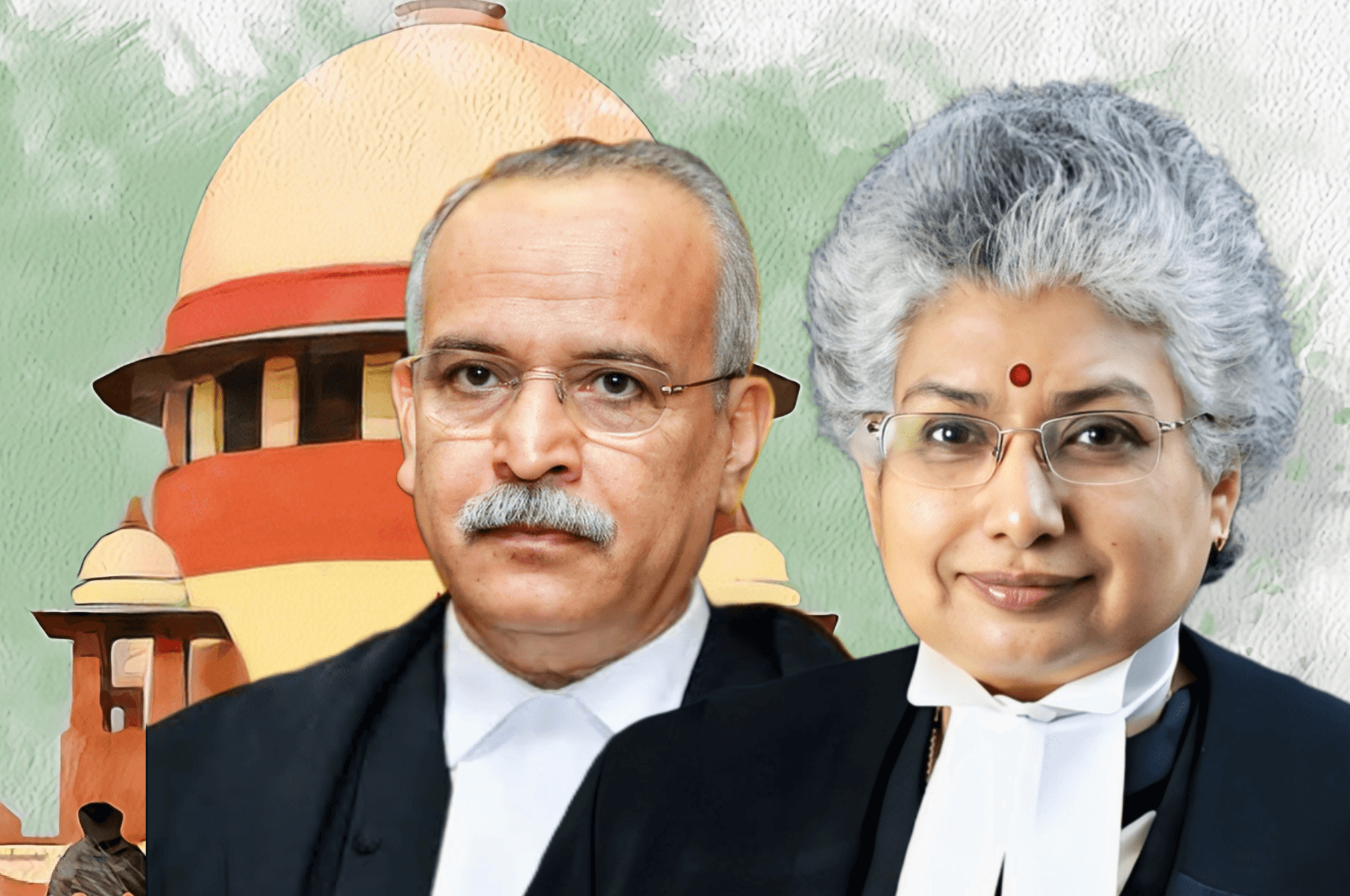
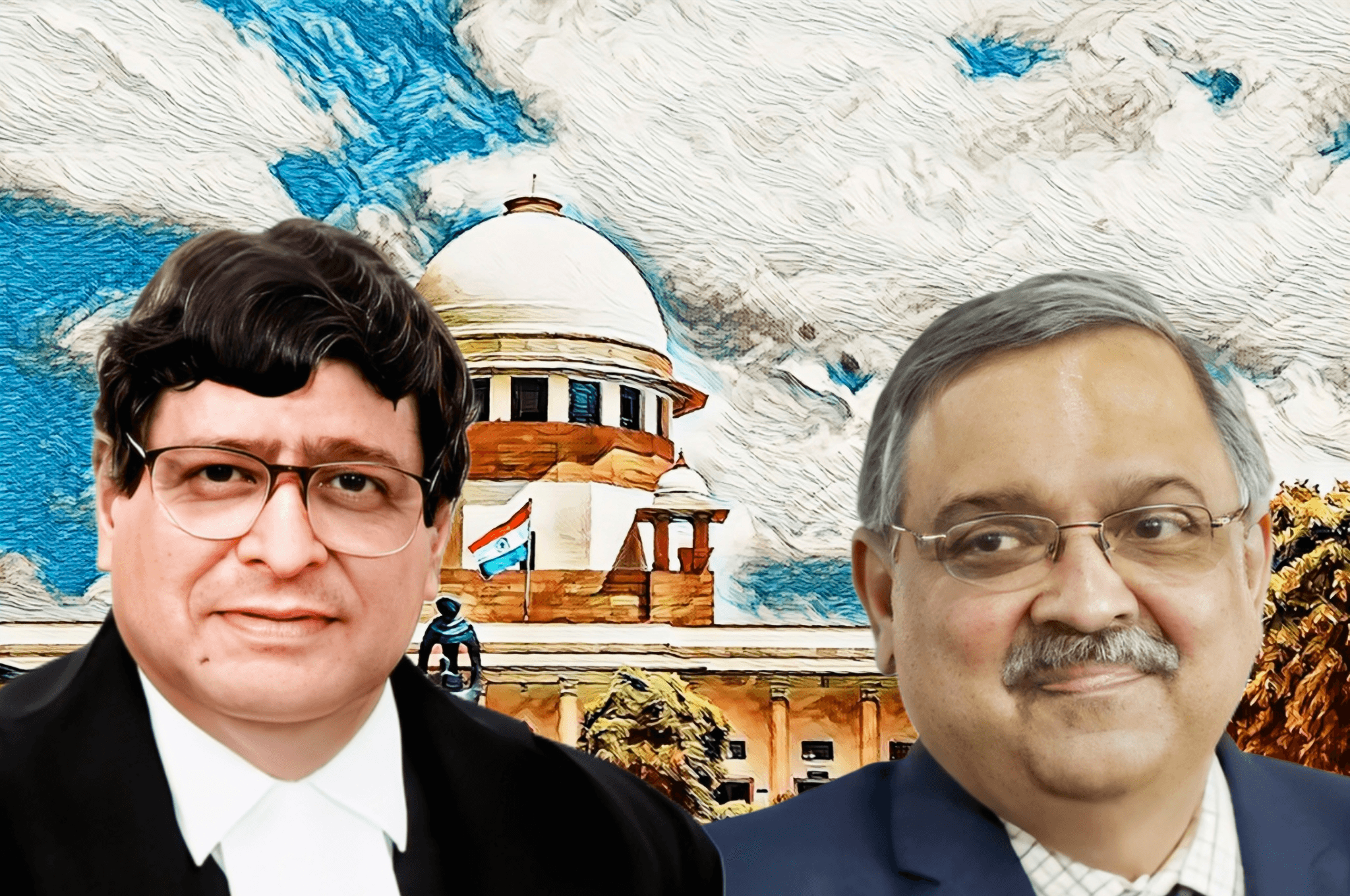
When Private Institutions Wear a Public Mantle: The Air Force School, Bamrauli Case Judgment by Justices Abhay S. Oka and Augustine George Masih

The ruling that was handed down by Justices Abhay S. Oka and Augustine George Masih in the case of Dileep Kumar Pandey v. Union of India and Others (Civil Appeal Nos. 10899 & 11378 of 2013) said that the Air Force School at Bamrauli is considered to be a state authority in accordance with Article 12 of the Constitution. The Court came to the conclusion that the private society was changed into a public instrumentality as a result of the pervasive control exercised by the government. This control was exercised through funding, administration by serving officers, regulated pay schedules, and disciplinary authority. In light of this, the actions taken by the School that have an impact on the working conditions of teachers are subject to writ jurisdiction in accordance with Article 226. Through this precedent-setting decision, it is reaffirmed that organizations that carry out public responsibilities under the authority of the government cannot avoid constitutional accountability.

Supreme Court

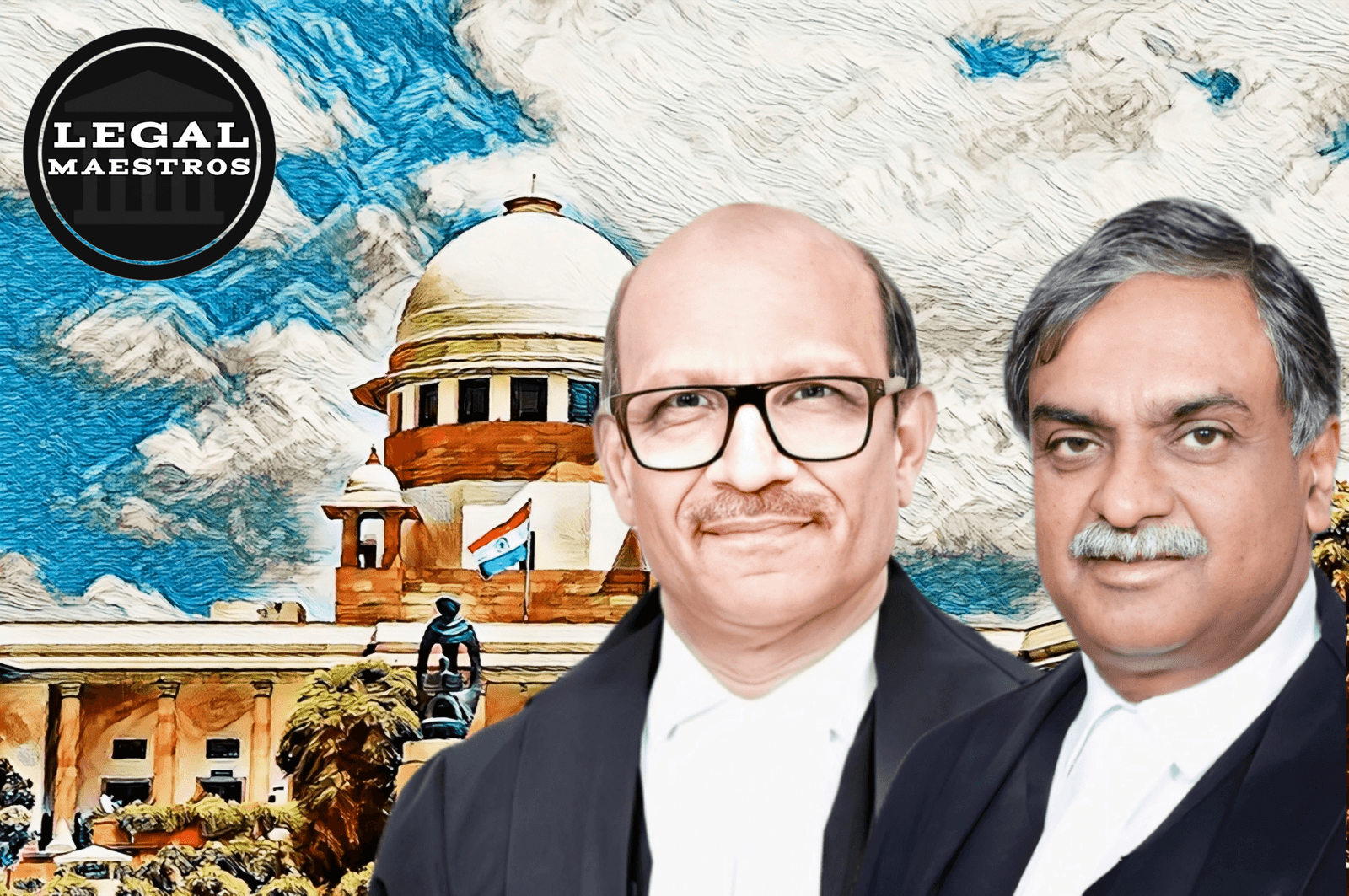
Ensuring Safe and Encroachment-Free Highways: A Landmark Ruling by Justices Abhay S. Oka and Augustine George Masih

The Supreme Court of India addressed a significant issue that affects millions of people in India on a daily basis in the writ petition Gyan Prakash v. Union of India & Ors. [Writ Petition (C) No. 1272 of 2019]. This issue is the unlawful encroachments on National Highways and the direct impact that these encroachments have on traffic safety. Concerning the urgent need to enforce the requirements of the Control of National Highways (Land and Traffic) Act, 2002 (which will be referred to in the following paragraphs as “the 2002 Act”) and its related rules, the case was presided over by Justices Abhay S. Oka and Augustine George Masih.

In the petition, the alarming number of fatalities that have occurred as a result of highway accidents was brought to light, and the petition sought the Court to compel the authorities to apply regulations that are designed to ensure the safe and legitimate use of roadways.

Supreme Court

Balancing Forest Conservation and Human Needs in In Re: Zudpi Jungle Lands – A Judgment by CJI B.R. Gavai and Justice Augustine George Masih

The classification of more than eighty-six thousand hectares of Zudpi scrub forests in eastern Vidarbha was the subject of the decision that was handed down by the Supreme Court in the case known as In Re: Zudpi Jungle Lands (Writ Petition (C) No. 202 of 1995). This decision was written by Chief Justice of India B.R. Gavai and Justice Augustine George Masih. In its analysis of the Forest (Conservation) Act of 1980, the court struck a balance between the preservation of ecological integrity and the requirements of the community. Following an examination of surveys and reports from specialists, it decided to maintain forest status for key parcels while permitting the denotification of areas that had been utilized for purposes other than forestation prior to December 12, 1996. The decision outlines a framework for sustainable development that allows for the protection of the environment as well as the promotion of social justice.

Current Legal Update

Legality of the Donald 5’s Golden Dome Project Under Space Law and Its Implications for Global Security Agreements

The Golden Dome Project, which was announced by former President Donald Trump, is a proposal for a missile defense system that is multilayered and extends into space. This article investigates whether or not the project is legal in accordance with the established international space law, including the Outer Space Treaty and other conventions that are related to it. It investigates the difference between the peaceful usage of outer space and the weaponization of that domain, and it does an analysis to determine whether or not the deployment of space-based interceptors is in accordance with the legal responsibilities that are already in place. In addition to this, the research takes into account the potential influence on important arms control agreements as well as the larger implications for the security of the entire world. In the end, the Golden Dome effort has the potential to reframe the strategic equilibrium in space and have an impact on the upcoming debates about space security.

Current Legal Update

New Progress in the India’s Got Latent Obscenity Case Against Ranveer Allahbadia and Samay Raina

Over the past few weeks, there have been significant developments in the obscenity lawsuit that has been brought against YouTubers Ranveer Allahbadia and Samay Raina. The issue stems from comments that individuals made on the show “India’s Got Latent.” According to Maharashtra Cyber, statements made by key individuals have been recorded, and investigators have suggested that they would shortly file the first chargesheet. In the meanwhile, Allahbadia has been granted interim protection from arrest by the Supreme Court, and the court has also addressed concerns over his passport. As the legal process moves forward, both content providers and watchers are keeping a close eye on it, discussing the appropriate balance between the freedom of expression and the expectations of society. This article examines the history of the case, the subsequent developments that have occurred, and the wider implications that it has for digital media in India.

Current Legal Update

Nepotism and Bias Claims Surface in Selection Process for Legal Researchers in India’s High Courts

A developing debate is surrounding the manner in which the High Courts of India recruit legal researchers on a contract basis. Candidates are required to participate in very quick interviews that take no more than one to two minutes. This is in place of exams that are open to the public or written tests. This rapid-fire evaluation allows a lot of possibility for personal prejudice and partiality, and it frequently gives preference to applicants who have connections rather than those who are actually competent because of this. Critics contend that merit is not given sufficient weight, which in turn lowers the standard of research support that is made available to judges. The purpose of this article is to investigate the history of these researcher posts, investigate the selection process, emphasize claims of bias and nepotism, and assess the larger influence on the efficiency of the judicial system of the United States. At last, it offers some suggestions for reform actions.

Current Legal Update

From Karnataka High Court to Supreme Court Justice BV Nagarathna’s Path to Becoming First Woman CJI

The path that B. V. Nagarathna took from a humble home in Karnataka to the threshold of India’s highest judicial office is a story of perseverance, intellect, and achievement that broke new ground. She began her professional life by devoting herself to the bar, making noteworthy decisions in the Karnataka High Court, and steadily advancing her position on the Supreme Court bench. She was born into a family that had long roots in the legal profession. More than seven decades after the court was established, her predicted brief time as the first woman Chief Justice of India in late 2027 will represent a historic milestone. Her appointment is expected to take place in the latter half of the year. Over the course of this piece, her journey through college, significant contributions to the legal field, and the unwritten seniority rules that have led her to this astounding award are meticulously detailed.

Current Legal Update

Is the Karnataka SBI Manager’s Transfer Over Language Refusal a Breach of Fundamental Rights Under Articles 14 and 19?

The Karnataka State Bank of India (SBI) branch manager who refused to speak Kannada with a customer was recently transferred, and this article investigates the circumstances around that transfer. This administrative action is evaluated to determine whether or not it violates the fundamental rights of the manager as outlined in Articles 14 and 19 of the Indian Constitution. Additionally, the significance of Article 21 is taken into consideration. The discussion provides an overview of the constitutional provisions of equality, freedom of speech, and personal liberty, as well as a review of the background for India’s language policy. Despite the fact that the transfer creates significant concerns regarding individual liberties, the essay argues that it does not constitute a violation of the constitution since the bank is obligated to follow the linguistic requirements of the local community. This is accomplished via the use of legal analysis and practical context.

Current Legal Update

Is Waqf an Essential Practice in Islam?Legal and Religious Debate Surrounding the Waqf Amendment Act 2025

The Waqf (Amendment) Act, 2025 has triggered a number of legal and religious controversies, which are discussed in this article. The essay delves into the question of whether or not Waqf is considered a vital activity in Islam. In the beginning, it provides an overview of the historical and theological foundations of Waqf. Subsequently, it examines the key provisions of the Act, which include the modification of the Mussalman Wakf Act, 1923 (Section 3) and the renaming of the 1995 Act (Section 4), the elimination of “waqf by user” (Section 6), and the implementation of gender inclusivity on Waqf boards (Section 14). In this debate, the objections brought before the Supreme Court are highlighted, and a comparison is made between secular legal reasoning and Islamic jurisprudence on certain fundamental religious activities. Lastly, it examines the ways in which the changes intend to improve openness and efficiency while yet respecting the autonomy of religious institutions.