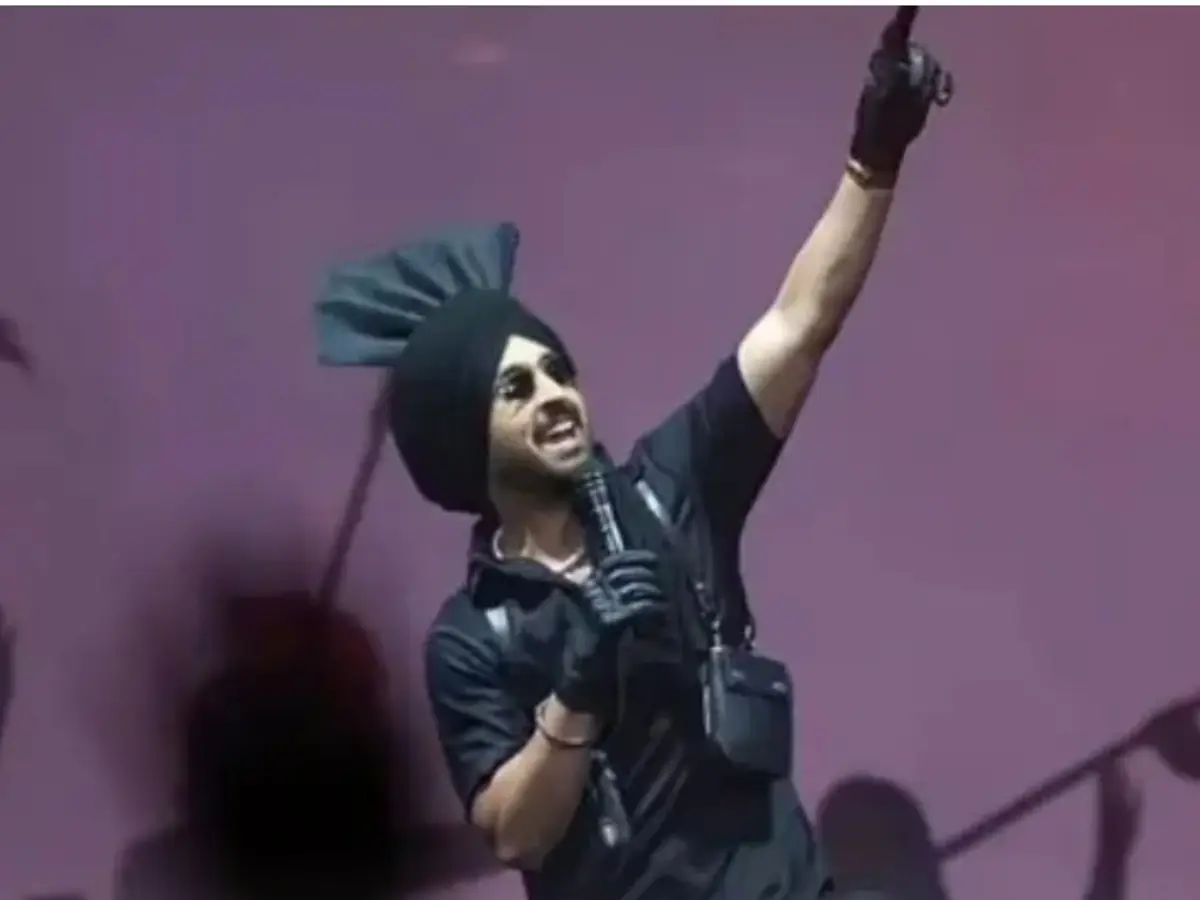
The world of live music is often a place for escape, but recently, it has become a stage for intense political debate. During Diljit Dosanjh’s “Aura” tour in 2026, several shows in cities like Calgary and Vancouver were interrupted by activists. These individuals raised pro-Khalistan flags and shouted slogans, forcing the singer to pause his performance. While fans come for the music, these incidents raise big questions about where political expression ends and a private event begins.
In countries like Canada, the UK, and the USA, the right to protest is a fundamental part of the law. However, that right looks very different when you are inside a private concert hall versus standing on a public sidewalk. When a venue is rented for a private show, the rules of the house usually take over. Understanding these legal boundaries is key to knowing why some protesters are allowed to stay while others are escorted out.
The Power of Private Property Owners
Most people assume that because they have “freedom of speech,” they can say or show anything anywhere. In reality, a concert venue is typically private property during a show. This means the owner or the person renting the space—like the tour promoter—can set strict rules for behavior. They have the legal right to ban certain signs, flags, or even specific types of clothing if they choose to do so.
If a protester refuses to follow these rules, they are technically trespassing. Security teams at these shows are often briefed to remove anyone who disrupts the flow of the performance. While you have the right to your opinion, you don’t necessarily have the right to broadcast it on a stage that someone else paid for. This is the primary hurdle for activists trying to use high-profile concerts as a megaphone for their cause.
Public Spaces vs. Private Events
The legal protection for protests is strongest in “traditional public forums” like parks or streets. Outside the arena, protesters are generally free to gather, hold signs, and chant as much as they want, provided they don’t block traffic. Police in cities like Calgary often monitor these gatherings to ensure they remain peaceful. As long as the demonstrators don’t break local laws, the authorities cannot stop them just because their message is controversial.
Things get complicated when the protest moves inside the doors. Once a ticket holder enters the building, they agree to a contract usually printed on the back of their ticket. This contract often includes a “code of conduct” that forbids disruptive behavior. Even if the speech is protected by the constitution, the venue can still kick someone out for violating the terms of their ticket.
Need Help With Your PhD or LLM Thesis?
Explore our thesis and dissertation writing support services for PhD and LLM students. Get subject-specific academic assistance for your research project.
Explore Our Services →The Role of International Security Agencies
Recent protests have caught the attention of more than just local police. Intelligence agencies, such as the Canadian Security Intelligence Service (CSIS), have been tracking the rise of extremist slogans at cultural events. Their concern isn’t the political opinion itself, but whether these gatherings could lead to violence or financial crimes. They release regular reports to help local law enforcement prepare for large-scale events where tensions might run high.
When an artist like Diljit Dosanjh performs, security is often a joint effort between private guards and local officers. If a protest inside the venue starts to look like it could turn into a fight, the police have a duty to step in. Their job is to keep the peace, which sometimes means shutting down a demonstration before it gets out of hand. These decisions are made based on the immediate threat to public safety.
Dealing with Disruption on the Stage
Diljit Dosanjh’s reaction to the protests has been a mix of defiance and a call for order. During his Calgary show, he famously told protesters to “keep waving your flags” but also made it clear he wouldn’t allow chaos. From a legal standpoint, an artist can also be held liable if they incite a crowd or fail to manage a dangerous situation. This puts a lot of pressure on performers to handle these moments with a cool head.
In some cases, artists may even have clauses in their performance contracts regarding political neutrality. If an artist’s show becomes a magnet for repeated unrest, insurance companies might raise the cost of covering the tour. This financial reality often forces promoters to be even stricter about what is allowed inside the building. It turns a political issue into a business calculation very quickly.
Global Variations in Protest Laws
The “legal limit” of a protest also changes depending on which country the tour is visiting. In the United Kingdom, new laws like the Public Order Act give the police more power to stop protests that are considered “too noisy” or “disruptive to the community.” This is much stricter than the laws in the United States, where the First Amendment offers a very high level of protection for speech, even if it is loud or annoying.
Australia and Canada sit somewhere in the middle, balancing the right to gather with the need for public order. These differences mean that a protest move that is legal in London might get someone arrested in Sydney. Activists often have to study local laws carefully to ensure they stay on the right side of the line. For the performers, it means every stop on a world tour requires a different security plan.
Finding a Balance in the Digital Age
Social media has changed how these protests work, as every flag waved in a crowd is instantly filmed and shared globally. This puts pressure on venues to act fast so they don’t look like they are taking sides or failing to keep fans safe. The legal framework is still catching up to this “viral” nature of modern demonstrations. Laws that were written for street corners are now being tested in the middle of sold-out arenas.
Ultimately, the clash between political movements and entertainment shows is about the right to a shared space. Fans pay for an experience, while activists look for an audience. As long as these two groups want to be in the same room, the legal limits of demonstration will continue to be a hot topic for lawyers and concert-goers alike.
Pro-Khalistani flags at Diljit’s concert
This video shows the moment when flags were raised at a recent show and explains the reaction from both the artist and the security team.