Current Legal Update

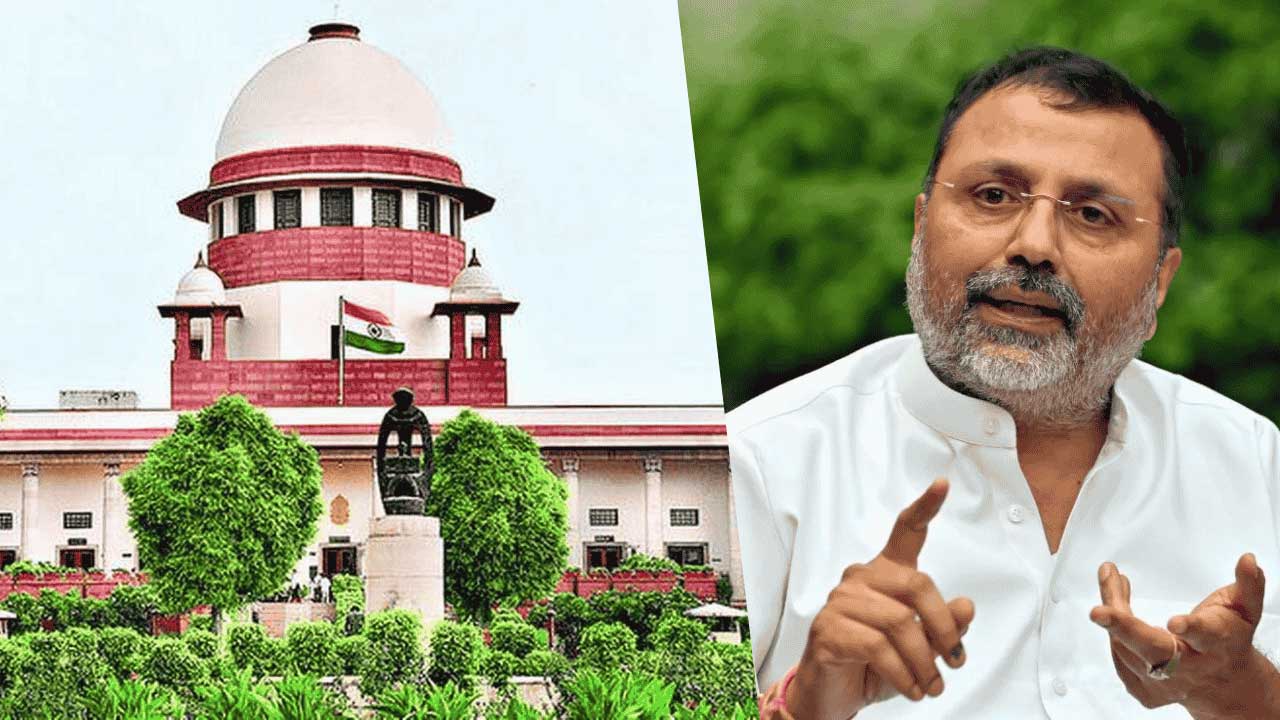
Criminal Contempt and the Judiciary: BJP MP Nishikant Dubey’s Remarks Spark Debate on Limits of Free Speech and Judicial Dignity

The controversy surrounding Nishikant Dubey’s remarks serves as a reminder of the ongoing tension between upholding judicial dignity and safeguarding free speech. As India continues to evolve as a democratic nation, it is imperative to strike a balance that respects both the authority of the judiciary and the fundamental right to freedom of expression. Engaging in open dialogues and revisiting existing laws can pave the way for a more transparent and accountable legal system.

Current Legal Update

Can the Supreme Court Strike Down the Waqf Amendment Act? A Constitutional Analysis of Religious and Property Rights

To summarize, the issue of whether the Supreme Court can invalidate the Waqf Amendment Act is a complicated constitutional issue relating to how to balance the interests of the state against safeguarding religious and property rights. The Act was intended to modernize the management of waqf properties by instituting more transparency and accountability but has created issues around state overstepping and intrusion into religious affairs. The Supreme Court, with its judicial review power, is responsible for ensuring that the legislature’s enactment of any law is consistent with the Constitution. This implies that if the Waqf Amendment Act violates constitutional protections of religious freedom and equal property rights, the Court has the jurisdiction to strike down those provisions.