Why Four Amendments Introduced via Finance Act 2017 Are Unconstitutional
A legislation that was enacted in the Parliament of India is the Finance Act, 2017, which introduced a lot of…
Keeping Pace with Legal Change
A legislation that was enacted in the Parliament of India is the Finance Act, 2017, which introduced a lot of…
The legal aspects of marriage in India have marked a radical and a historic transformation. Although this once might be…
In revising IPC’s mandatory death penalty under Section 303, Section 104 of the BNS restores judicial discretion between death and life imprisonment for murder by life-convicts. This alignment with “rarest of rare,” plus reasoned judgments, and likely ensures constitutional validity.
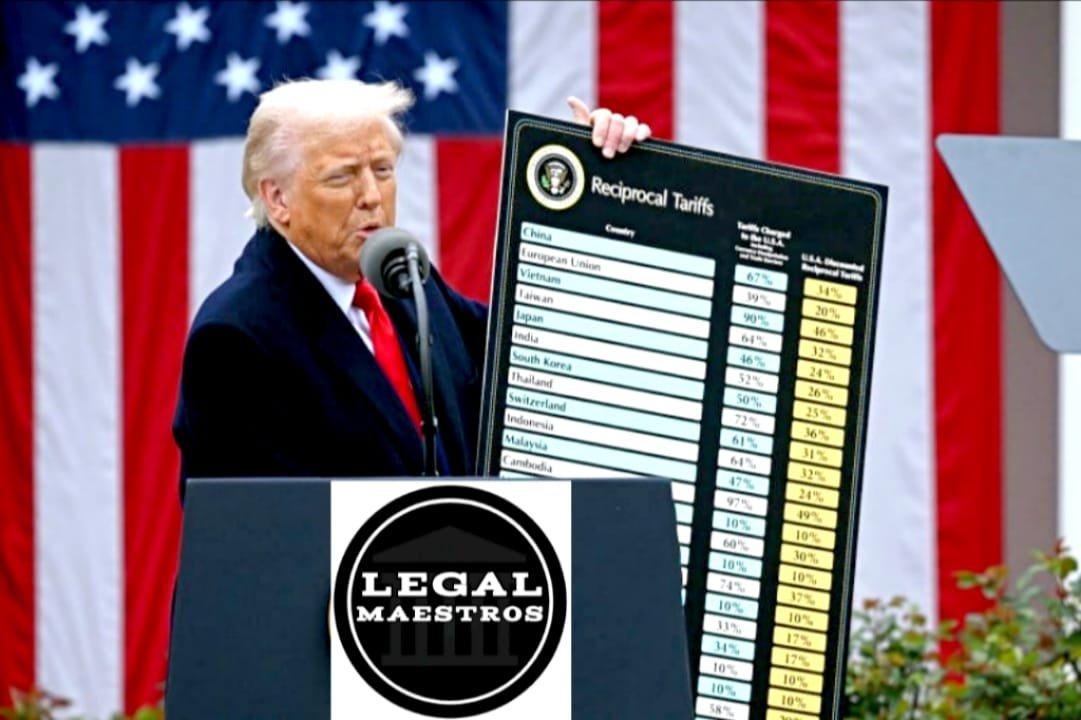
President’s sweeping 2025 tariffs, justified under emergency powers, were struck down by the U.S. Court of International Trade for violating constitutional limits, specifically the non-delegation doctrine and uniformity clause. The ruling underscores Congress’s role in setting tariffs as a check.
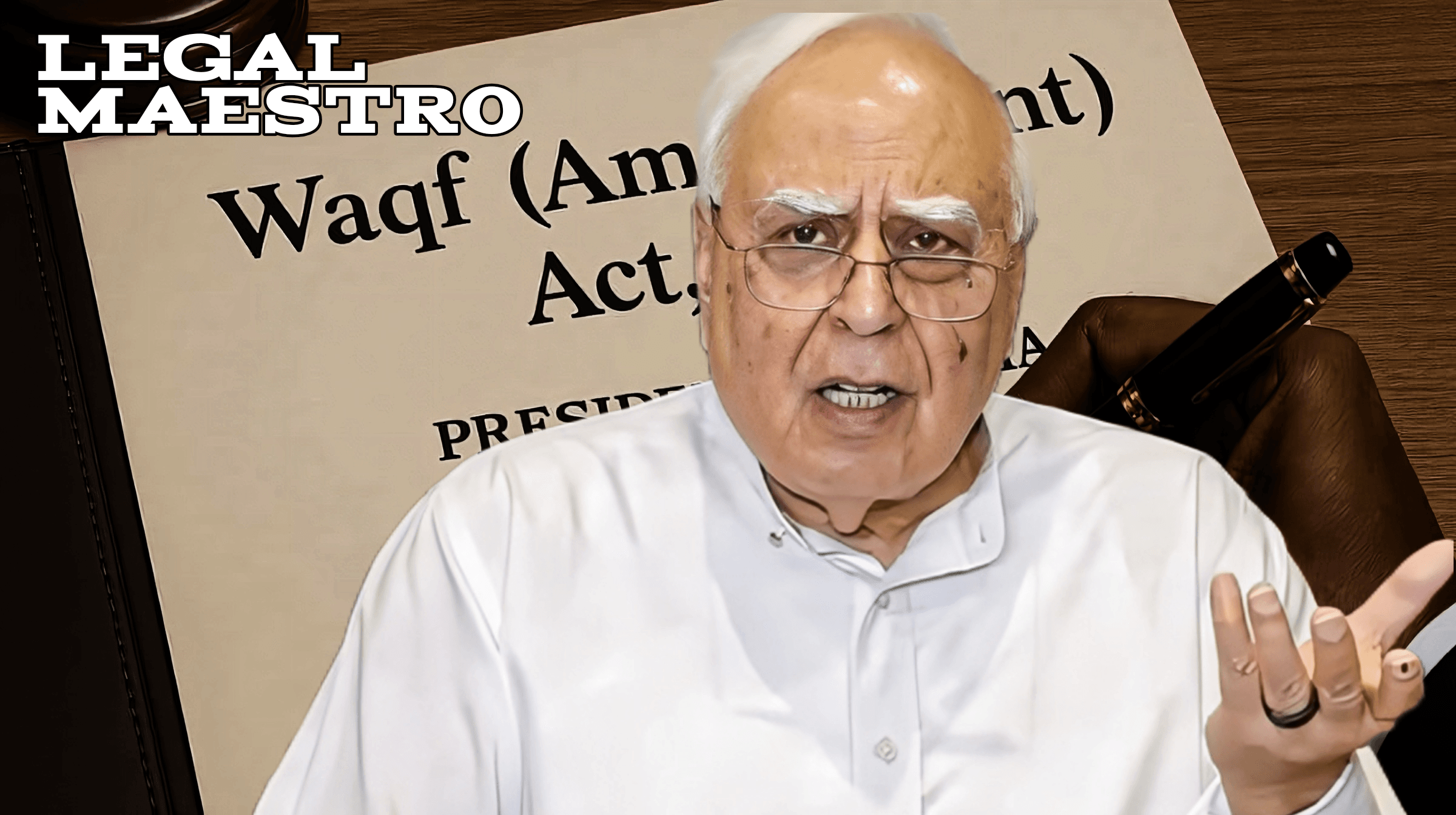
Kapil Sibal urged the Supreme Court to strike down the Waqf (Amendment) Act’s five-year Islam practice requirement, calling it arbitrary and a breach of religious freedom. He warned the clause unfairly bars converts and young Muslims from creating endowments and undermines equality and due process.
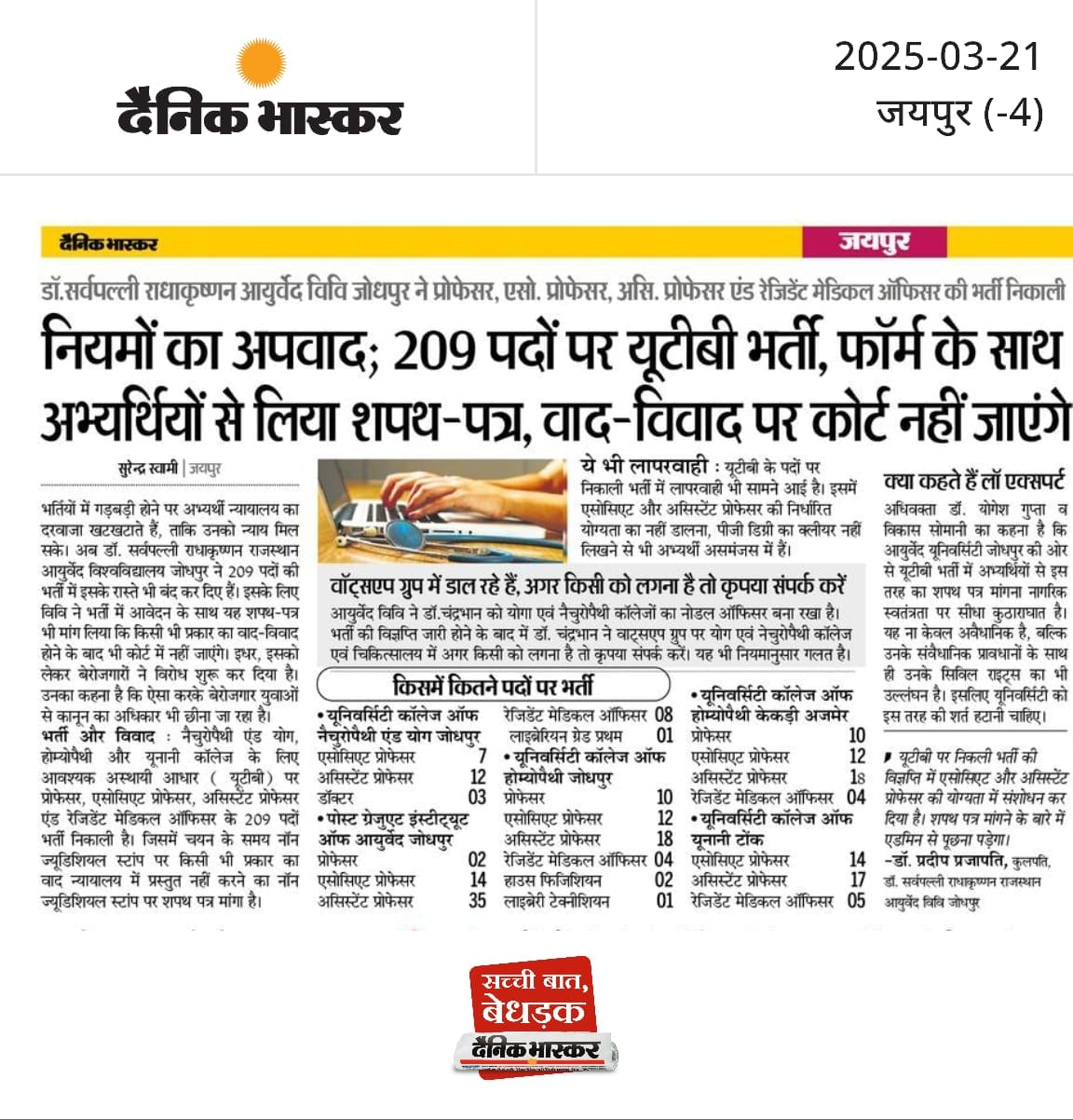
The recruitment of 209 posts at Dr. Sarvepalli Radhakrishnan Ayurveda University has sparked controversy due to a mandatory affidavit barring candidates from legal action. Legal expert Surendra Swami calls it unconstitutional, arguing that fundamental rights cannot be waived. Experts predict legal challenges ahead.