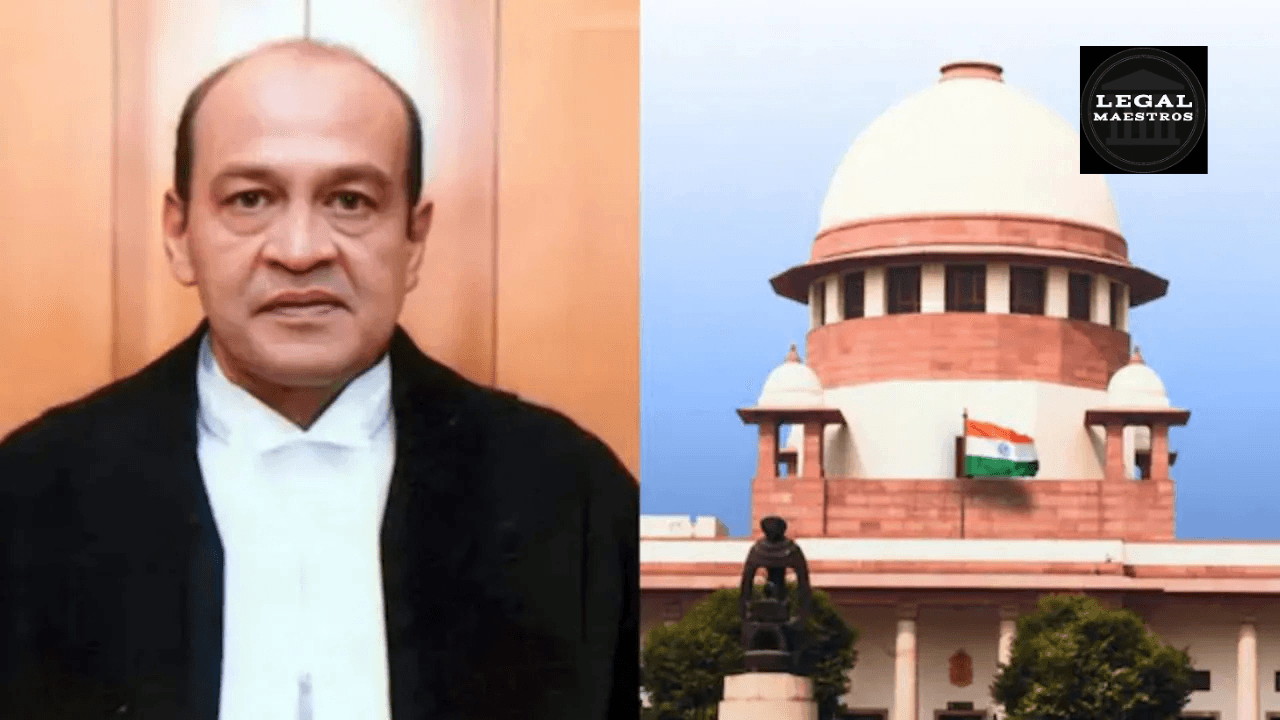
Justice Yashwant Varma Challenges Supreme Court’s In-House Inquiry in Cash-at-Home Scandal
Introduction Honestly, Justice Yashwant Varma isn’t mincing words about the Supreme Court’s internal probe into the whole “Cash-at-Home” mess. You…
Keeping Pace with Legal Change
Introduction Honestly, Justice Yashwant Varma isn’t mincing words about the Supreme Court’s internal probe into the whole “Cash-at-Home” mess. You…
The Supreme Court of India in a recent case has considered a case of extreme disturbing nature where four people…
The modern thwack of the Supreme Court judgment in the matter of Neethu B. @ Neethu Baby Mathew v. Rajesh…
The more recent the Supreme Court decision of the case of Krishan Gopal vs. Gurmeet Kaur (Dead)b), Through LRs.,& Ors.…
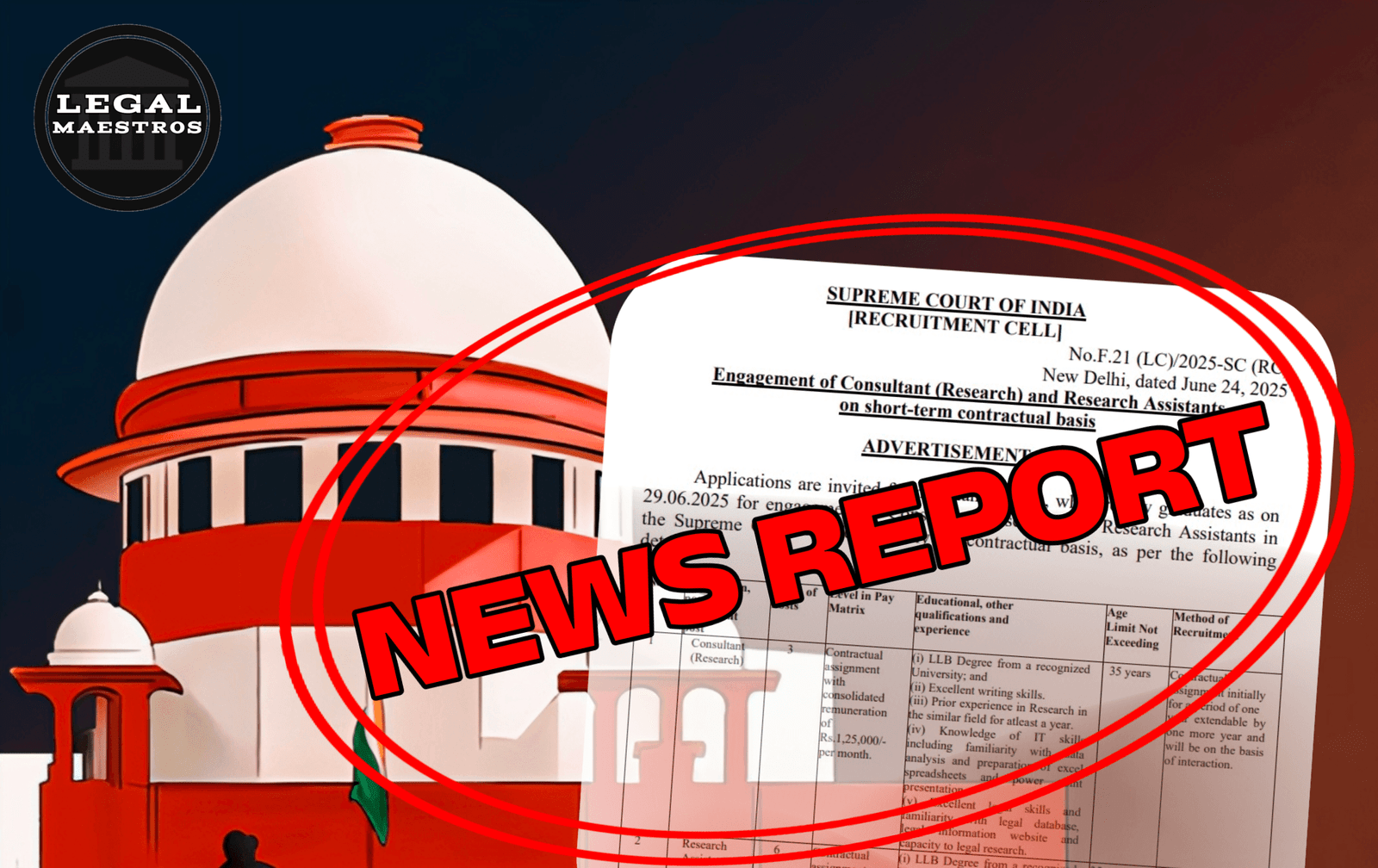
Supreme Court of India has advertised the post of Consultant (Research) and Research Assistant for short-term contractual appointment. Graduates of law who have been involved in research and who have a good command of laws and IT are welcome to the authorities appointment until June 29, 2025. It is done through resume and interaction with pleasant consolidated remuneration.
In this article the author analyzes a landmark Supreme Court of India case on the issue of quashing criminal proceedings emanating out of bank fraud. The Court explains the difference between the administrative activities of banks implemented in accordance with RBI Master Directions and a criminal inquiry, and the fact that the quashing of the former will not nullify a criminal proceeding as such. It emphasizes the inapplicability of natural justice during the process of filing FIR and remits cases to be remanded back to be decided afresh.
After the first SLP contesting the same High Court order was rejected, the Supreme Court of India conducted an investigation into the wrongdoing of counsel who had filed a second SLP challenging the same verdict. Although there was a difference of opinion over the harshness of penalty, the court placed an emphasis on the responsibilities of advocates, the significance of ethical behavior, and the consequences of incorrectly employing legal procedures.
The Supreme Court of India made history when it determined that an agreement to sell does not give someone property rights or ownership. The Court threw out a bogus lawsuit, which shows that you need a sale document to claim rights to property that can’t be moved.
This article provides an explanation of the process by which the Supreme Court determined whether or not sexual consent derived from a promise of marriage is valid. This paper investigates Section 376 of the Indian Penal Code and the legal framework that governs partnerships that involve adult consent and subsequent charges of rape.
The decision that the Supreme Court made in the case of Rajiv Ghosh v. Satya Narayan Jaiswal is discussed in this article. The article focuses on the tenancy rights of legal heirs as outlined in Section 2(g) of the West Bengal Premises Tenancy Act, 1997, as well as the application of Order XII Rule 6 of the Criminal Procedure Code in cases involving eviction.