There is no Scot-Free Exit: Jharkhand High Court Denies Relief to Bokaro Steel Plant Officer in spite of Procedural Slip-up.
Introduction Jharkhand High Court issued a stern and balanced ruling that an accused should not be able to get off…
Keeping Pace with Legal Change
Introduction Jharkhand High Court issued a stern and balanced ruling that an accused should not be able to get off…
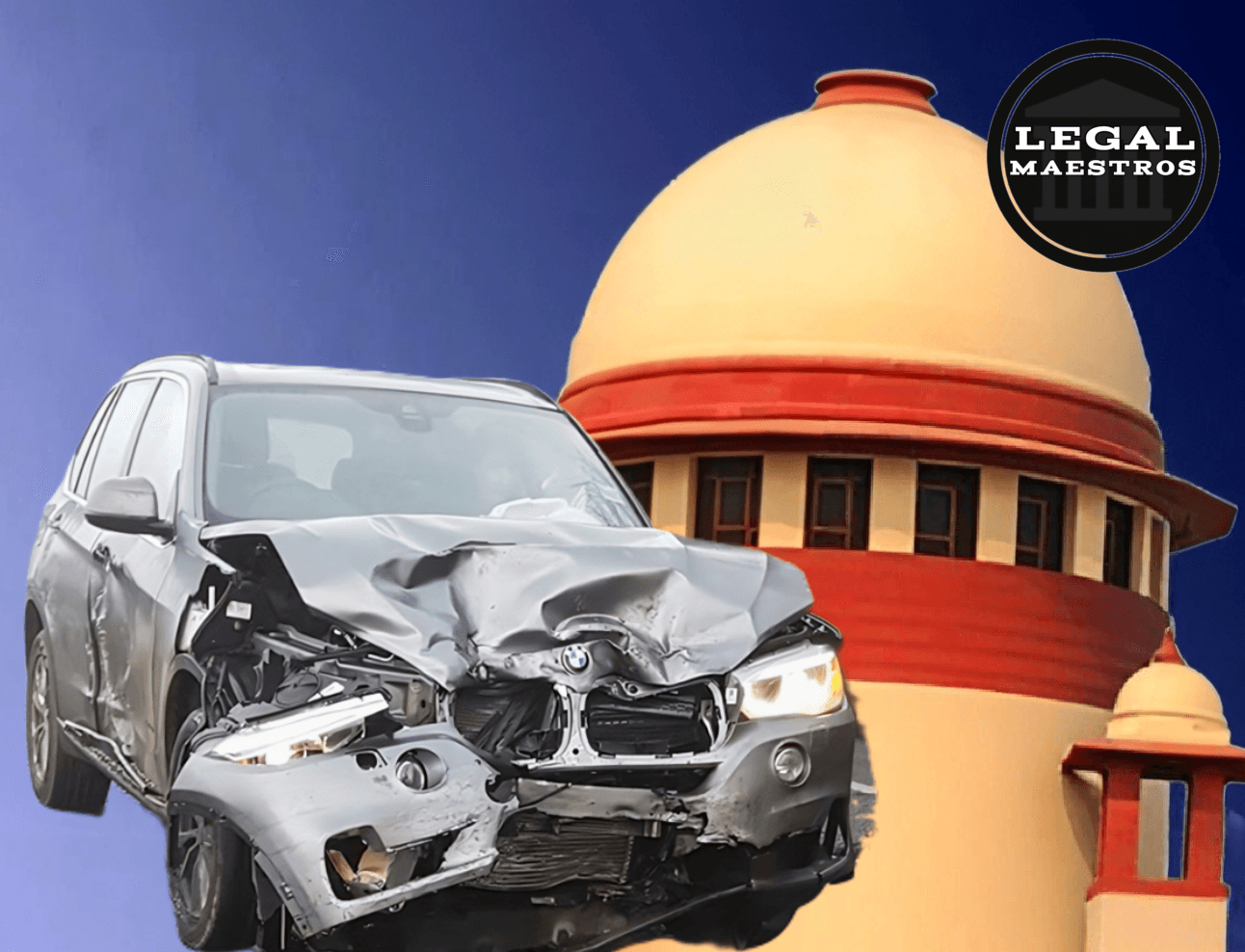
According to a decision by the Supreme Court, the legal heirs can not demand insurance in case of death caused by rash driving of the deceased. This choice solidifies individual responsibility, blocks the possibility of generating revenue out of a wrong as well as encourages responsible driving, which affects the insurance policy holders and the scrutiny of insurance claims, as well.
Section 25 of the Bharatiya Nyaya Sanhita, 2023, stipulates that an act not intended or known to likely cause death or grievous hurt is not an offense if the person harmed is over eighteen and has consented to the risk. For example, if two adults agree to fence for amusement and one is injured without foul play, no offense is committed.
Section 24 of the Bharatiya Nyaya Sanhita, 2023, addresses the issue of criminal liability in cases where an offense requires specific intent or knowledge, and the act is committed under intoxication. According to this provision, if an individual voluntarily becomes intoxicated and commits such an offense, they are held legally responsible as if they possessed the required intent or knowledge, regardless of their impaired state. However, if the intoxication was involuntary—meaning the substance was administered without their knowledge or against their will—this may serve as a defense, acknowledging that the individual lacked the capacity to form the necessary intent or knowledge due to the involuntary intoxication.
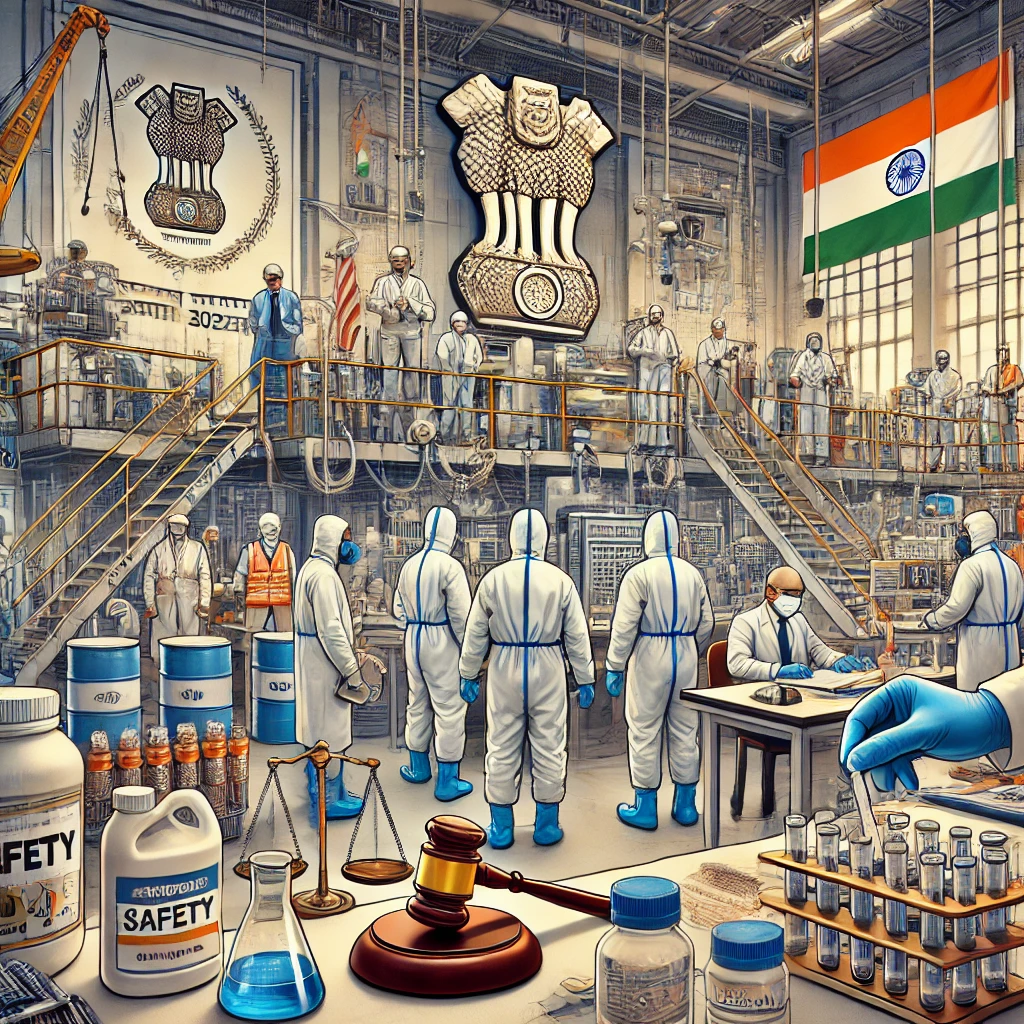
The Bharatiya Nyaya Sanhita (BNS), 2023, presents revised provisions to increase public safety through the regulation of hazardous substances in India. Replacing the Indian Penal Code, it focuses on responsibility and accountability, with stricter punishments for negligence or actions threatening public welfare. Section 285, for example, focuses on acts leading to danger or obstruction in public places, with penalties up to ₹5,000. New crimes, such as terrorism and organized crime, are a modernized vision of safety. This abstract examines these provisions and how they work to create a safer society.