Jimmy Kimmel’s Suspension Sparks First Amendment Firestorm: Defending Free Speech Against Government Threats
The Case of Free Speech: A Lawsuit Guided Tour of the Jimmy Kimmel Controversy. The latest suspension of the late-night…
Keeping Pace with Legal Change
The Case of Free Speech: A Lawsuit Guided Tour of the Jimmy Kimmel Controversy. The latest suspension of the late-night…
The Gauhati High Court, in a crucial case, has quashed an FIR against journalist Kongkon Borthakur because it is imperative…
Petition by TV Today Network Limited to quash proceedings against it such as an order to file a non-cognizable offence,…
Recently, the Supreme Court of India passed a landmark case in Civil Appeal No. 23514 of 2017, Torrent Power Limited…
On Monday, 14 July 2025, the Supreme Court of India delivered a landmark judgment in Arun Kumar Sharma & Ors…
This paper will analyse a ruling of the Supreme Court that was given against a ruling of the High Court in a case that concerned cancellation of a government tender. It notes how the Court has attached importance to issues of public interest, administrative discretion and little judicial review in contractual circumstances, particularly in the event of the unavailability of mala fides.
On April 29, 2025, in a path-breaking order, the Supreme Court of India dismissed the summons of nine policemen in the alleged Verka encounter killing of Mukhjit Singh, and reinstated proceedings against the Deputy Commissioner of Police by holding that sanction under Section 197 CrPC was not necessary.
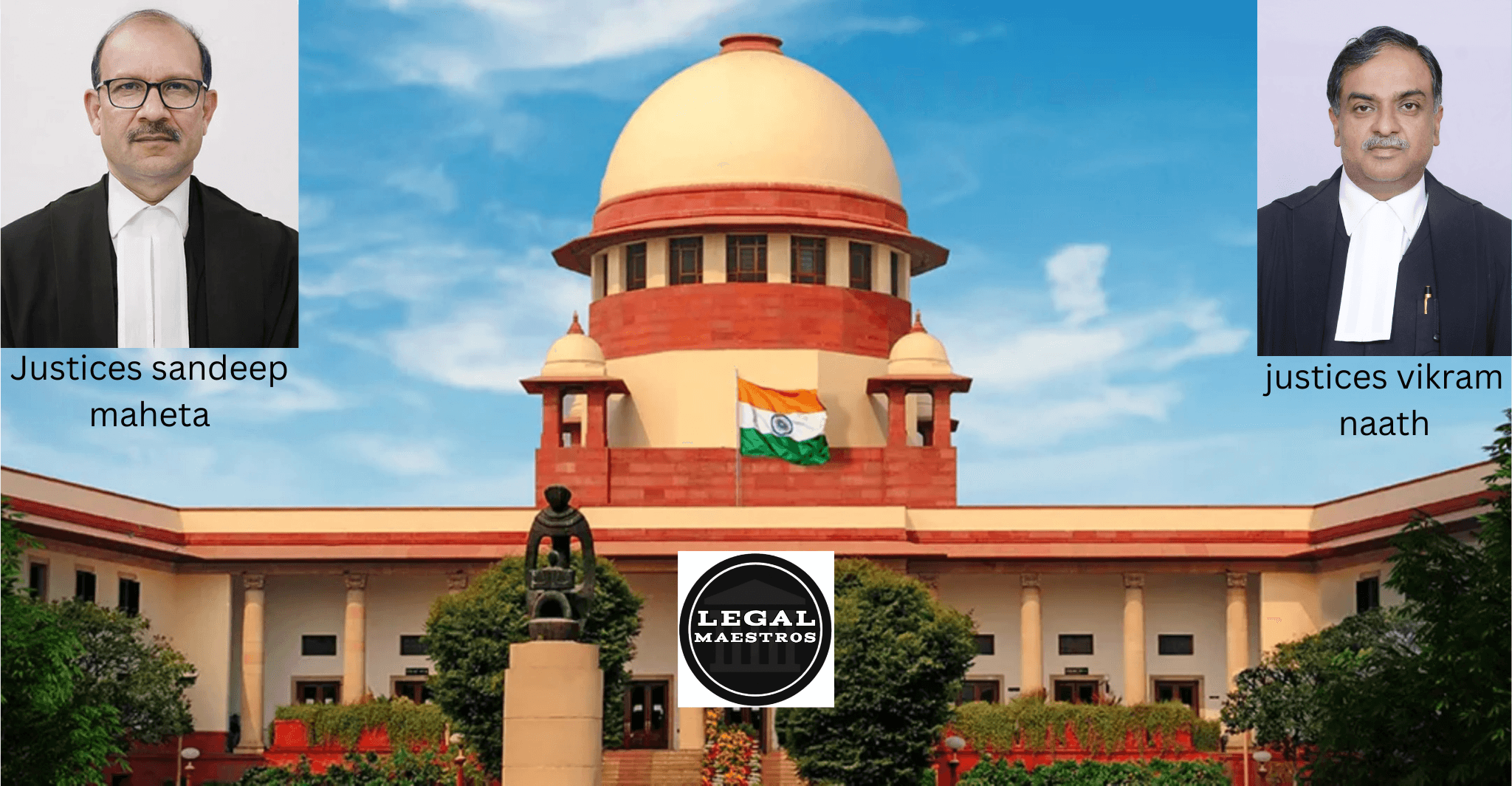
The Supreme Court, led by Justices Sandeep Mehta and Vikram Nath, clarified that mining lease disputes with fraudulent elements can be criminal, not merely civil, emphasizing intent and public interest. The ruling distinguishes civil breaches from criminal fraud, guiding lower courts in similar cases.
The Operation Sindoor trademark rush, following India’s 2025 military strike, saw multiple entities, including Reliance Industries, file applications to trademark the term under Class 41, sparking legal and ethical debates. Governed by the Trademarks Act, 1999, and the Emblems and Names Act, 1950, such filings face scrutiny under Section 9 for potentially exploiting national sentiment. A Public Interest Litigation challenges these applications, highlighting ethical concerns over commercializing a term symbolizing military valor. The case underscores the tension between intellectual property rights and public interest, urging stricter guidelines to prevent misuse of nationally significant terms.
This abstract discusses court charges in landlord-tenant cases, with emphasis on mesne profits and public interest cases under Sections 41, 42, and 43. Landlord-tenant disputes usually come with financial pressures such as court charges, which differ according to jurisdiction and nature of the case. Mesne profits, awards for unauthorized occupation after tenancy, complicate cost distribution. Public interest cases can affect fee waivers or discounts, favoring fair access to justice. The research looks into legal structures, mechanisms for cost recovery, and how they affect disputing parties with an emphasis on balance between fiscal responsibility and equitable resolution.