Pilot Federation Serves Legal Notice to Reuters, WSJ Over Air India Crash Coverage
New Delhi, India -July 21, 2025- In a major and bold action that shook the entire world of aviation and…
Keeping Pace with Legal Change
New Delhi, India -July 21, 2025- In a major and bold action that shook the entire world of aviation and…
The government of Karnataka wants to come out with a strict new section to deal with fake news and misinformation with punishment going up to a maximum of 7 years in prison and a 10 lakh- rupee fine. The draft bill also seeks to create a regulatory office and special courts to check the accuracy of content in social media and the accountability that provokes the question of freedom of speech.
The decision of the Election Commission of India to keep only 45 days of CCTV footage of the polling station unless an election petition is filed is a debateable topic. Although such a policy is intended to safeguard voter privacy and avoid the use of footage to create damaging narratives, critics view it to be a hindrance to voting transparency and accountability creating fundamental questions about what democracy has to offer as a value.
As misinformation jeopardizes public safety and democracy in India, urgent penal laws are needed to define and punish malicious deliberate fake news. Clear definitions, proportionate penalties, platform accountability, and safeguards for free speech will deter rumor-mongers and protect public trust.
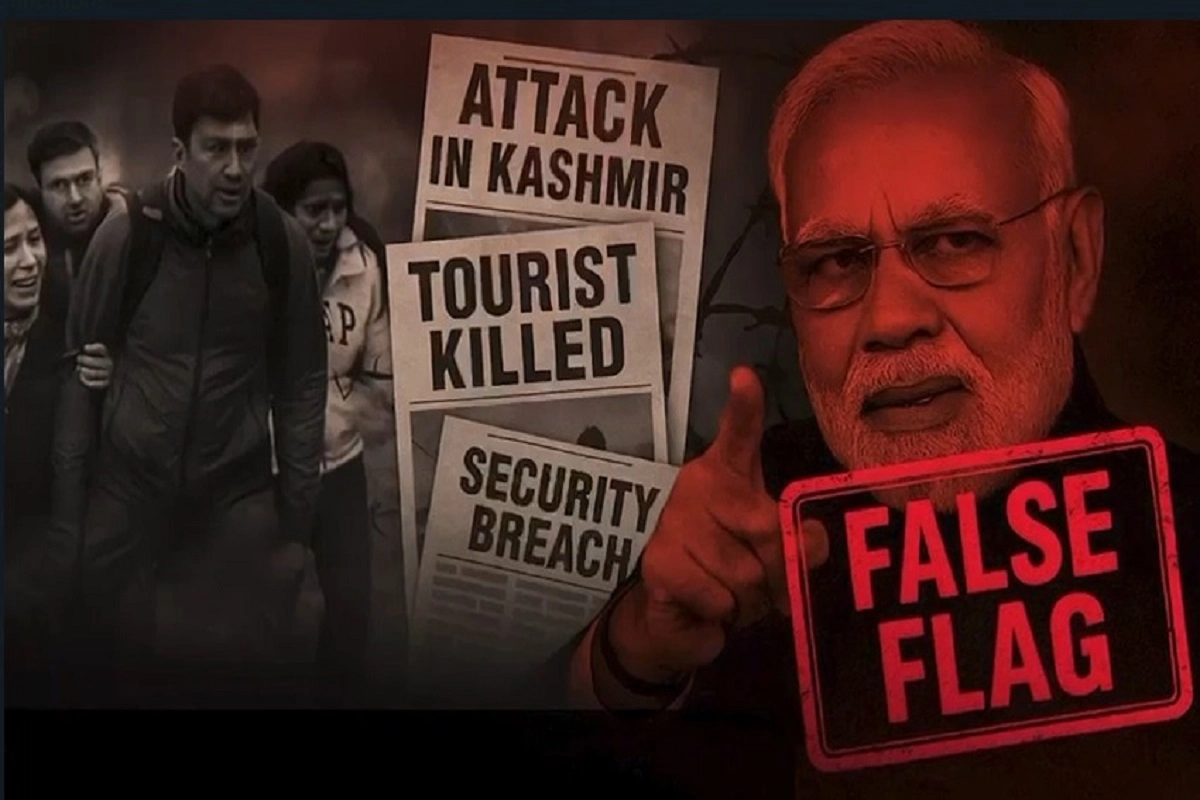
When news organizations indulge in warmongering, they are not only participating in sensationalism; they are also putting the peace of the general people in jeopardy and straining the bonds that strengthen international relations. There are a variety of safeguards that are included in Indian legislation in order to avoid incitement and foster responsible journalism. These safeguards include criminal fines for hate speech, statutory broadcasting requirements, self-regulatory codes, and judicial oversight. To maintain the right to freedom of expression while also restricting the misuse of media influence, it is vital to have vigilant regulation, ethical self-restraint on the side of broadcasters, and an informed audience that is prepared to reject irresponsible narratives. All of these things are equally important.
The legal profession in India is held to high ethical standards, emphasizing integrity, impartiality, and dedication to justice. Advocates are expected to serve society by upholding the law, rather than engaging in commercial activities that could compromise their objectivity and the profession’s dignity.