Donald Trump’s Proposed 15% Tariffs May Face Legal Challenges
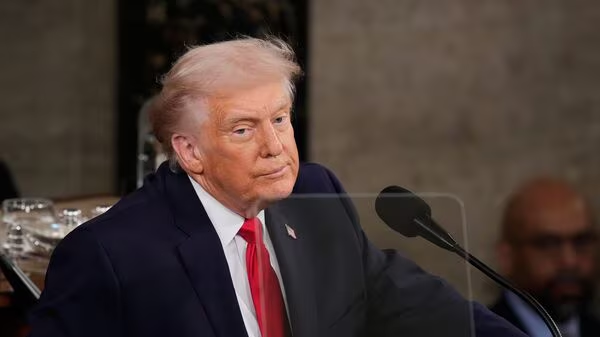
Donald Trump’s Proposed 15% Tariffs May Face Legal Challenges Former U.S. President Donald Trump has proposed a plan to impose…
Keeping Pace with Legal Change
Donald Trump’s Proposed 15% Tariffs May Face Legal Challenges Former U.S. President Donald Trump has proposed a plan to impose…
A legislation that was enacted in the Parliament of India is the Finance Act, 2017, which introduced a lot of…
Kerala University Registrar K.S. Anil Kumar pulled back seeking relief in the High Court to challenge the suspension after he was reinstated by the Syndicate. This was after a controversy in one of the portraits titled Bharat Mata. The High Court allowed the withdrawal, but recognizing the internal resolution, did not exclude wider institutional authority issues as the subject of future legal action.
The paper investigates the Special Intensive Revision of electoral rolls of the State of Bihar and its constitutional provisions of the Constitution of India and the Representation of the People Act 1950. It details major specifications such as house-to-house checks, paper-based requests, even the debate of its timing, disenfranchisement it may cause to the disadvantaged communities.
Jamiat Ulema-i-Hind asked the Delhi High Court to ban a movie on the murder of Kanhaiya Lal called the Udaipur Files. They claim that the trailer of this film causes communal disharmony, biases a community and is against the certification parameters of movie industry which may affect the order of the general populace before the movie is released on July 11, 2025.
The article is an analysis of the PUCL Supreme Court case concerning a challenge filed against Electorship roll revision by ECI in Bihar. It looks at questions of the rushed procedure, paperwork limitation, and possible disenfranchisement of the vulnerable populations. The article brings out the legal framework and also the vital role played by the Supreme Court in balancing between electoral integrity and electoral laws with the general rights of the democracies.
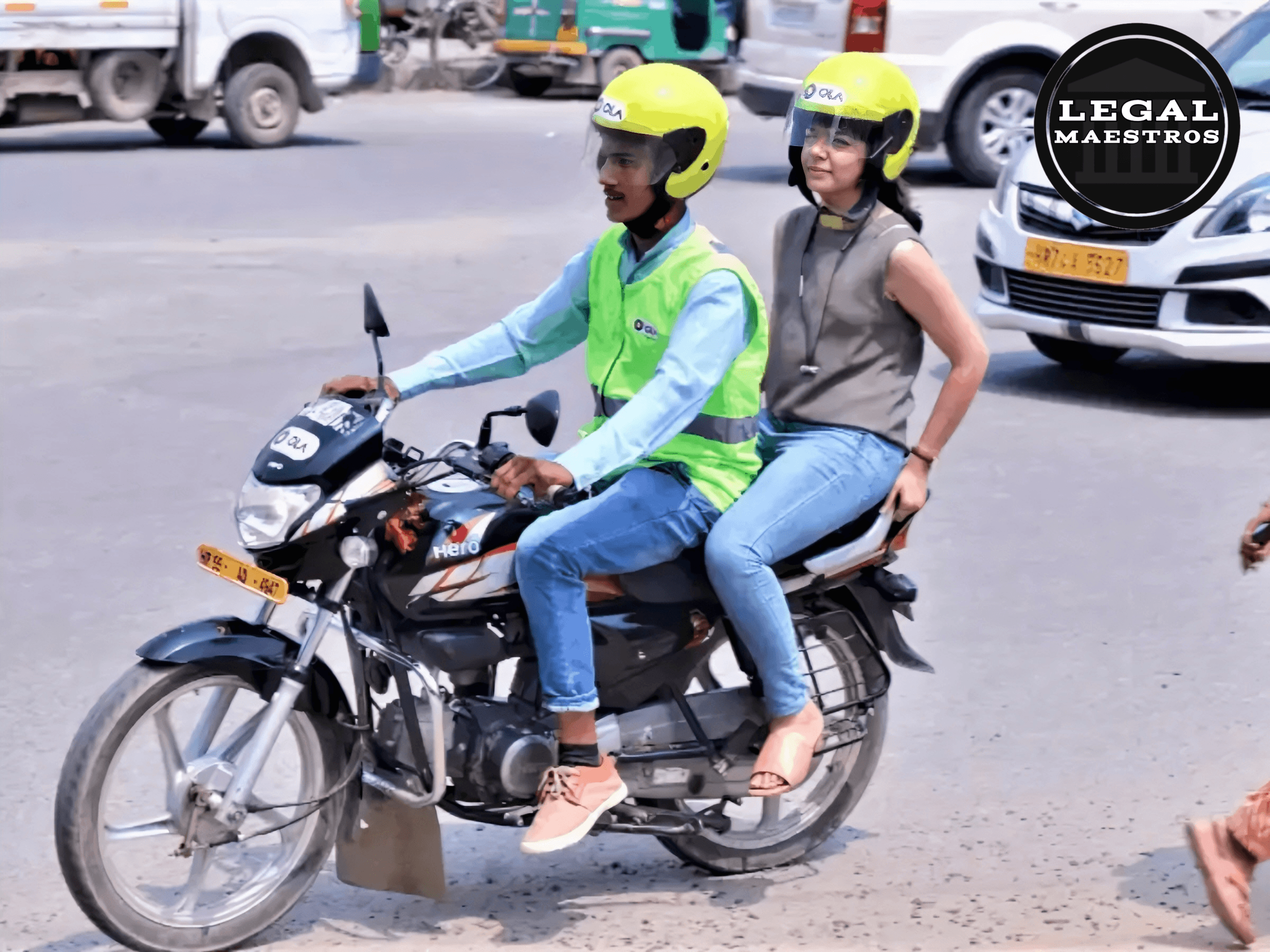
The Karnataka Taxi Welfare Association has taken serious legal objections toward the ban of bike taxis by the state government. Citing these services as a life necessity due to the cheap and effective last-mile connection, especially to daily commuters, the association holds that the ban is unjust to our lives and access to a vital mode of transport. This paper examines the different aspects of this currently raging courtroom battle and brings out the arguments that have been put forth by both parties and the possibilities of what this may portend as far as the future of urban mobility is concerned in Karnataka.
In a decision that was handed down by a federal appeals court, the Trump administration’s regulation that prohibited international students from enrolling in fall classes at Harvard as long as they were studying solely online was overturned. Restoring the rights of thousands of international students and reiterating the importance of judicial supervision over executive immigration directives are both outcomes of the most recent verdict.