Current Legal Update

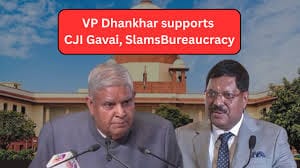
CJI Gavai’s Maharashtra Visit Marred by Protocol Breach: VP Dhankhar Backs Judiciary

During his first visit to Maharashtra as Chief Justice of India on May 18, 2025, B.R. Gavai expressed displeasure over the absence of senior officials, including the Chief Secretary, DGP, and Mumbai Police Commissioner, highlighting a protocol breach. Speaking at a Bar Council event, he emphasized mutual respect among democracy’s pillars—judiciary, legislature, and executive. Vice-President Jagdeep Dhankhar supported Gavai, noting his own experiences with protocol lapses and stressing institutional respect. The incident sparked political debate, with officials later apologizing at Chaityabhoomi. Gavai underscored the Constitution’s supremacy, urging harmony among democratic institutions.

Current Legal Update

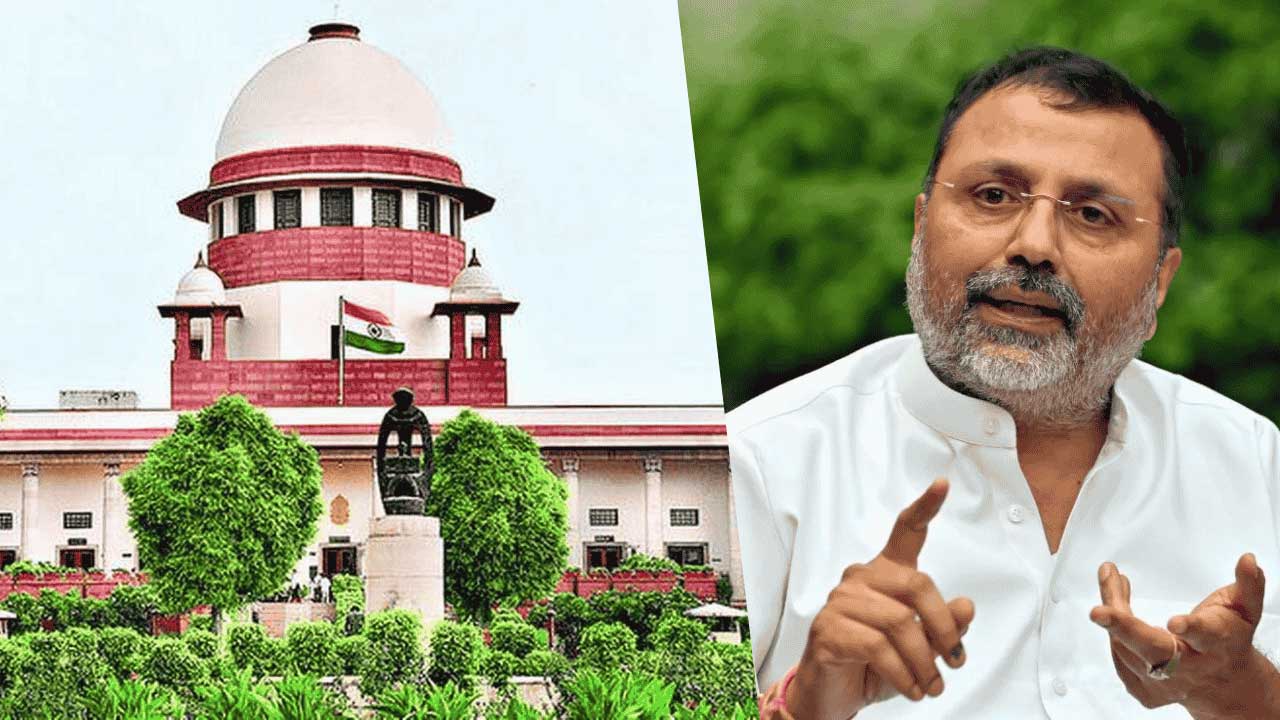
Criminal Contempt and the Judiciary: BJP MP Nishikant Dubey’s Remarks Spark Debate on Limits of Free Speech and Judicial Dignity

The controversy surrounding Nishikant Dubey’s remarks serves as a reminder of the ongoing tension between upholding judicial dignity and safeguarding free speech. As India continues to evolve as a democratic nation, it is imperative to strike a balance that respects both the authority of the judiciary and the fundamental right to freedom of expression. Engaging in open dialogues and revisiting existing laws can pave the way for a more transparent and accountable legal system.

Law Notes

Key Provisions of the Rajasthan Court Fees and Suits Valuation Act, 1961 : Section 4 and 5

Rajasthan Court Fees and Suits Valuation Act, 1961 regulates fees in Rajasthan courts to ensure sound suit valuation and adequate fee schemes. Court fees are divided into fixed fees and ad valorem fees based on case type and suit value. Exemptions and concessions have also been provided under the Act to benefit the economically weaker segments. Payment may be made in the form of stamp papers as well as through online transactions. It is important that litigants and legal practitioners understand these provisions to follow court procedures efficaciously. The Act is significantly responsible for simplifying court procedures while ensuring fiscal responsibility within the judiciary.