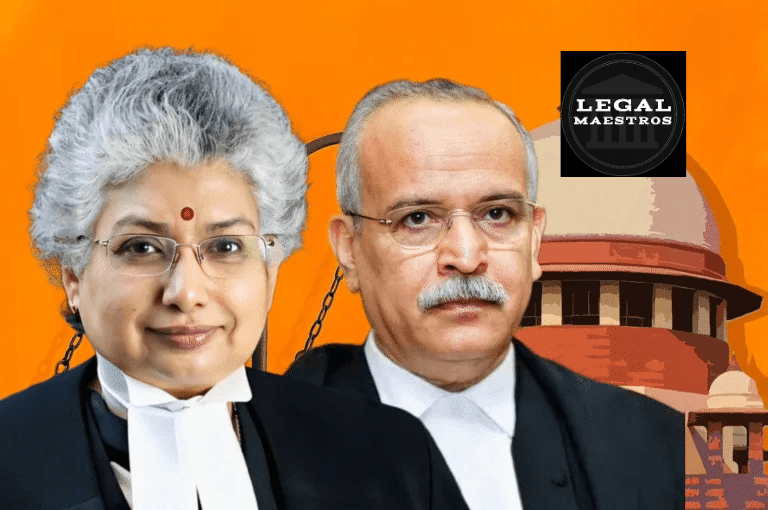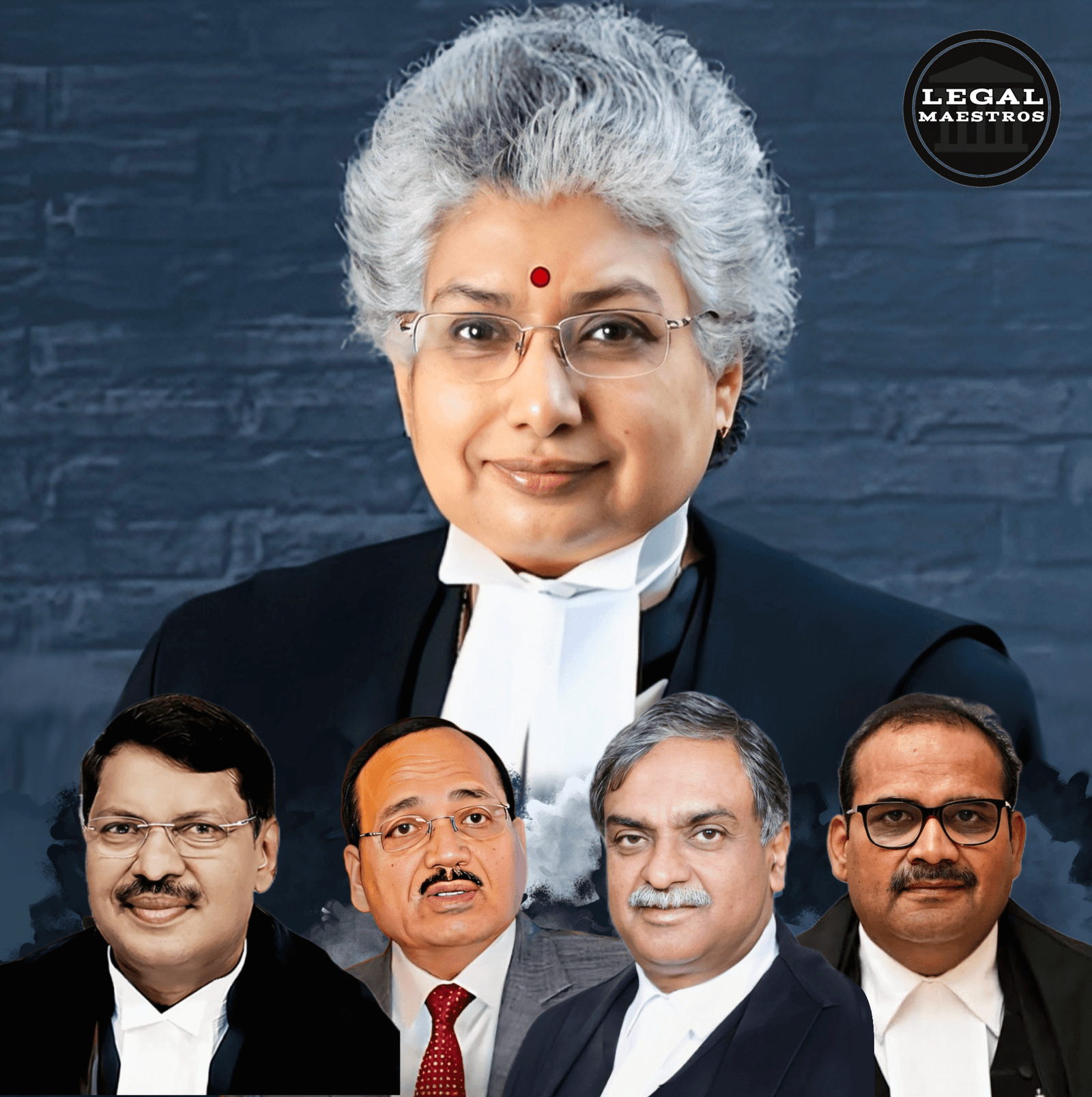
Long live Justice Nagarathna !
By Justice Katju I regard Justice BV Nagarathna as the best Judge in the Indian Supreme Court today, erudite, upright…
Keeping Pace with Legal Change
By Justice Katju I regard Justice BV Nagarathna as the best Judge in the Indian Supreme Court today, erudite, upright…
Recently, the Delhi High Court passed an ad-interim injunction in a trademark infringement on trademark infringement by the Hero MotoCorp…
There in a recent case the Delhi High Court in a decision that has far-reaching implications to the press and…
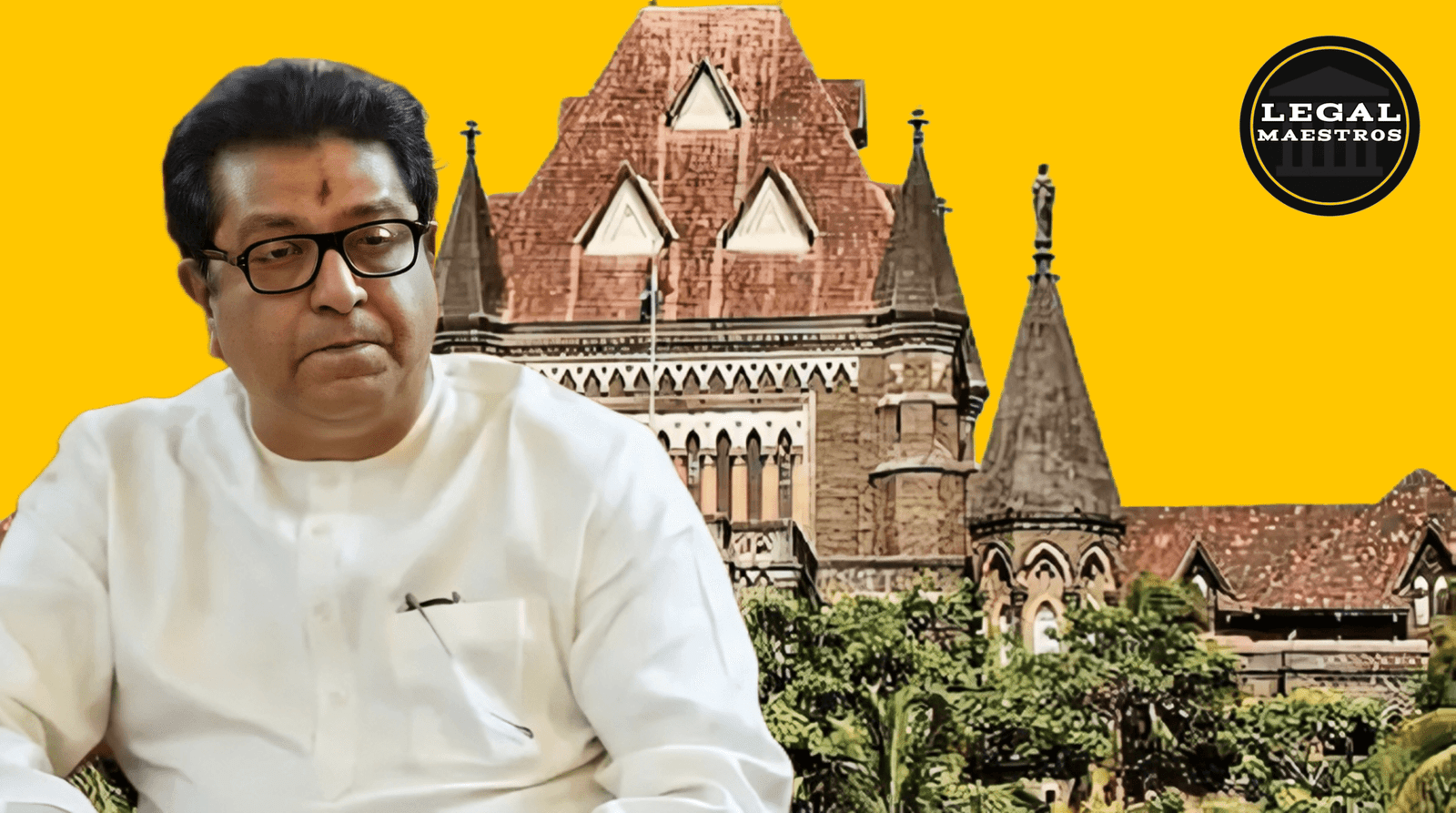
The highpoint in this regards is a petition has been placed in the Bombay High Court against the Maharashtra Navnirman…
Recently, Chief Justice of India (CJI) B.R. Gavai elucidated an important and overlooked principle of the Indian judicial appointment fracture…
A legislation that was enacted in the Parliament of India is the Finance Act, 2017, which introduced a lot of…
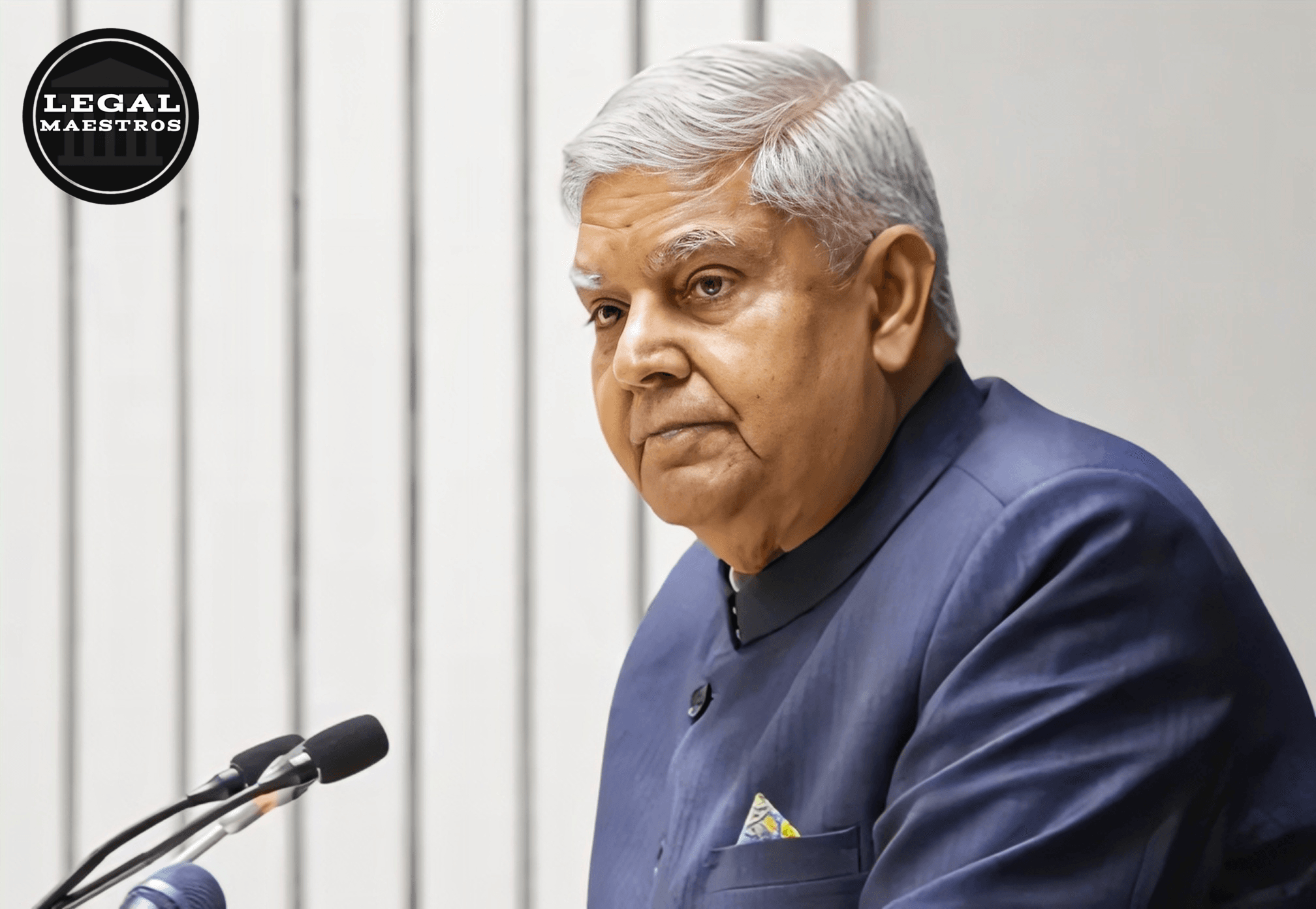
This paper will look into the doubts raised by the Vice-President Dhankhar of the input of the Chief Justice of India in the appointment of the head of a central investigative agency, the CBI. It outlines the legal set-up, in particular the DSPE Act and composition of the Selection Committee, and its roots lie in judicial pronouncements. The article only displays facts with no opinion indulgence so as to explain the controversy.
Advocate Chandra Sen Yadav has filed a review petition in the Supreme Court challenging its May 20 judgment reinstating a mandatory three-year legal practice requirement for civil judge (junior division) exams. The petition argues this rule violates Articles 14 (equality) and 16 (equal opportunity in public employment) of the Indian Constitution, disproportionately excluding recent graduates who prepared under prior eligibility criteria.
The Supreme Court’s Nandini Sundar verdict balanced constitutional enforcement of rights with legislative authority by addressing SPO abuses, mandating inquiries, and outlining proper law-challenge procedures. It reinforced separation of powers while ensuring victim rehabilitation and upholding the rule of law.
The Supreme Court restored essential safeguards in judicial recruitment May 20, 2025, reinstating quotas and minimum experience requirements for entry and promotion. By balancing merit and practical legal training, the judgment ensures consistent standards across states and prepares candidates with necessary courtroom exposure, strengthening India’s subordinate judiciary for future challenges.
The Supreme Court restored essential safeguards in judicial recruitment May 20, 2025, reinstating quotas and minimum experience requirements for entry and promotion. By balancing merit and practical legal training, the judgment ensures consistent standards across states and prepares candidates with necessary courtroom exposure, strengthening India’s subordinate judiciary for future challenges.