Column

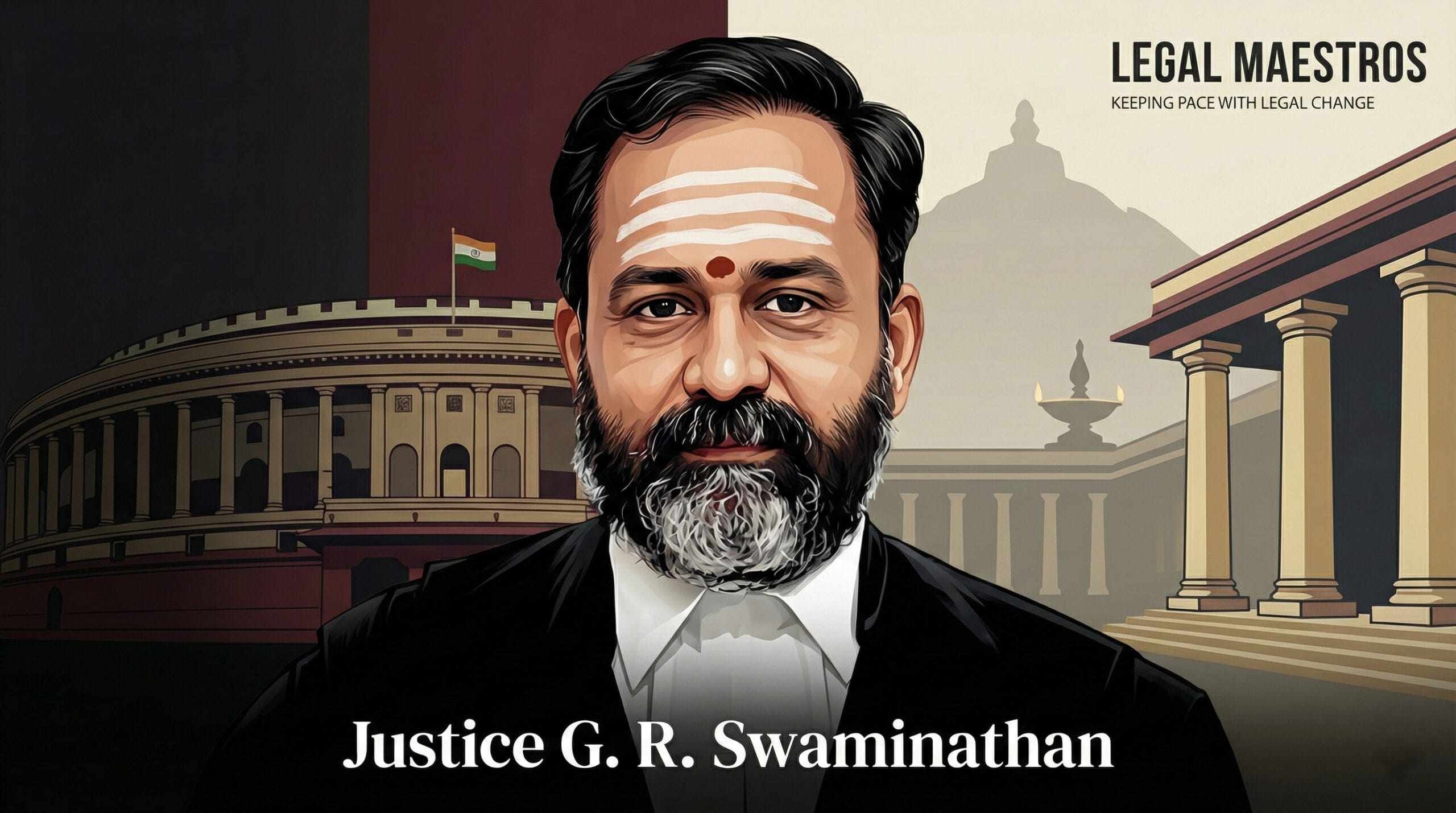
Sacred Spaces, Secular Power, and a Sitting Judge: The Justice G.R. Swaminathan Impeachment Debate

What makes this matter worse is the fact that this motion is rooted less in clear cases of judicial bias but more on the fact that the State Government was dissatisfied with the judicial outcome which touched upon sensitive religious and political terrain. If legislation started acting on every dissatisfaction it has it will set a wrong precedent ad risks judiciary being subordinated to shifting winds of politics. 

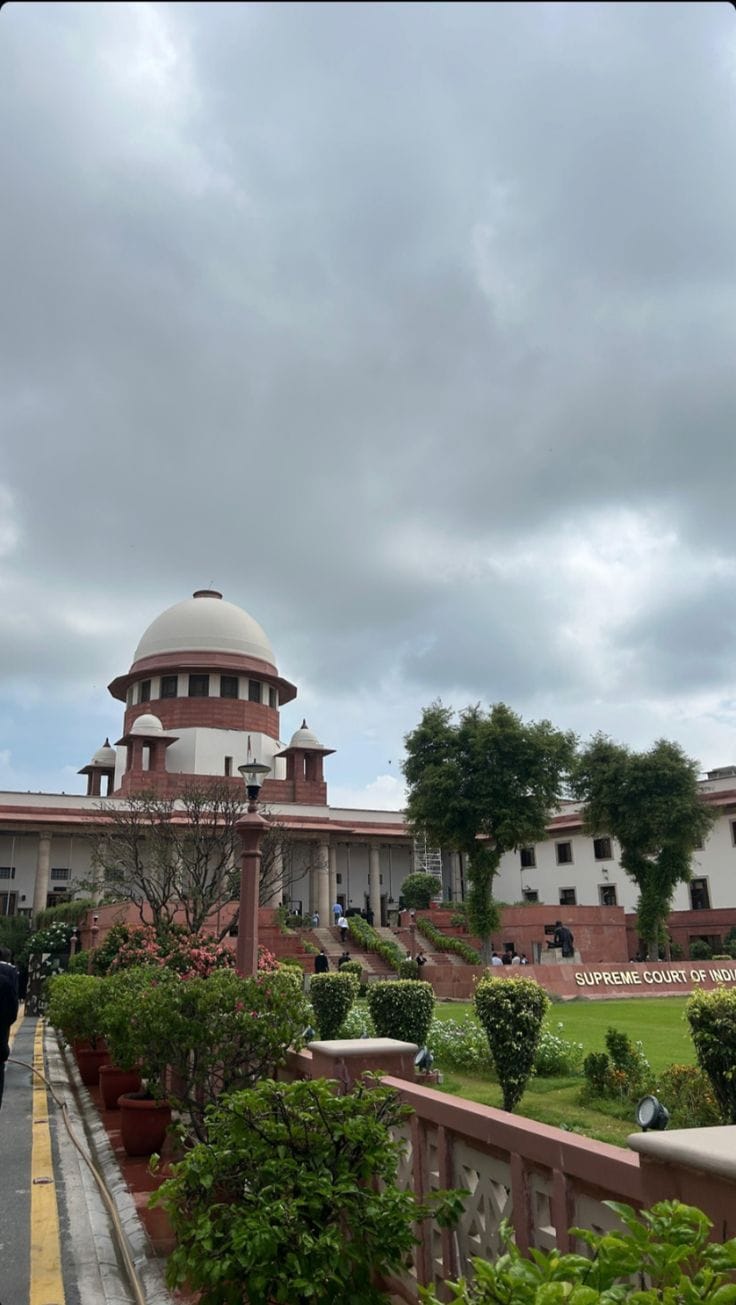
Supreme Court

Supreme Court eliminates harsh censure of District Judge and imposes judicial restraint and procedural justice for denigration of lower judiciary

In Kaushal Singh Vs. State of Rajasthan, the Supreme Court invalidated defamatory comments of the Rajasthan High Court against a District Judge who had granted bail, holding that these strictures in the absence of hearing are against natural justice and judicial independence. The Court repeated that criticising subordinate judges should be dealt with administratively, not judicially. It reiterated the requirement of procedural fairness, judicial restraint and made it clear that guidelines for bail are advisory, not obligatory.

High court

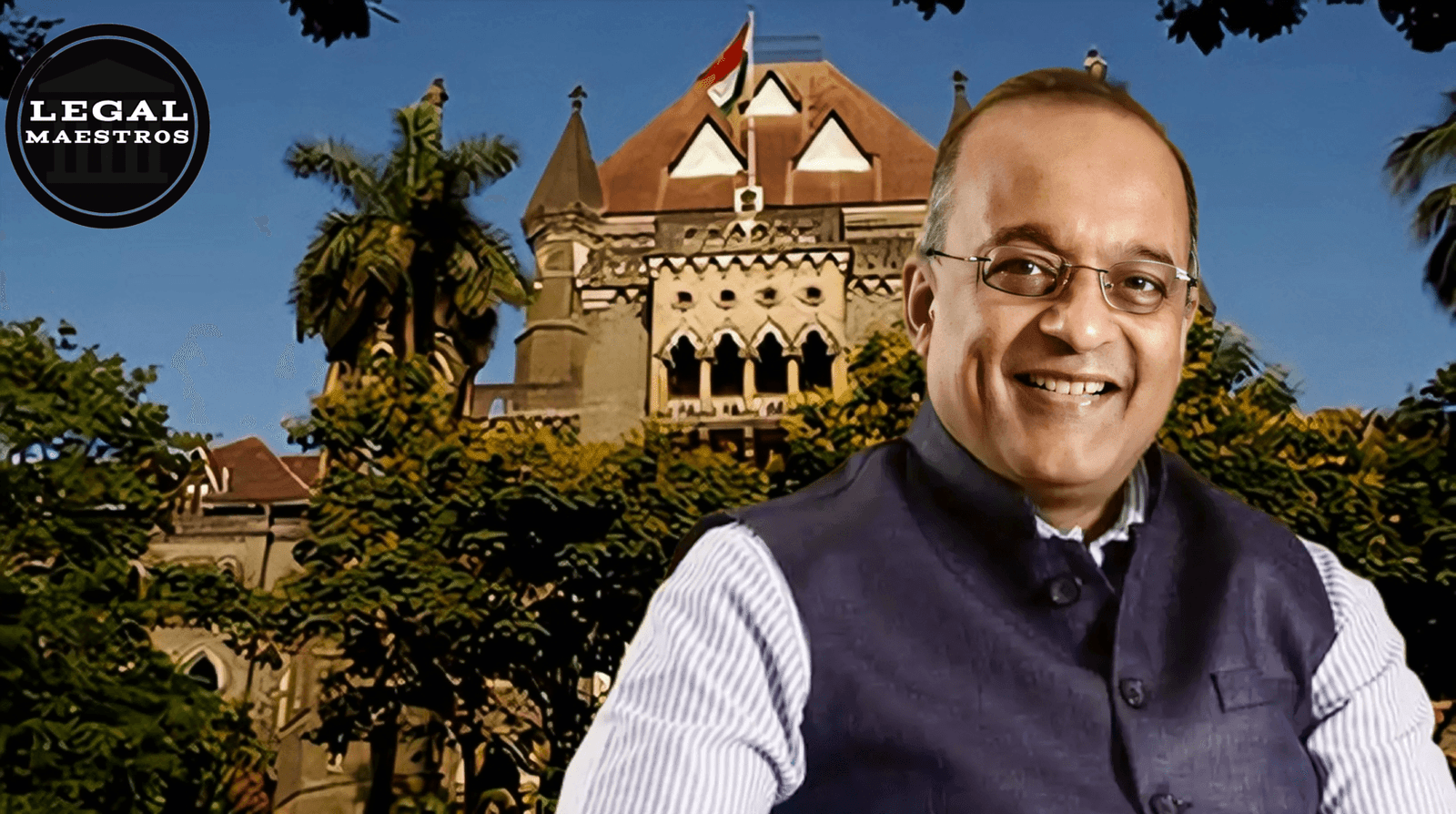
Three Bombay High Court Judges Recuse from HDFC CEO’s Lilavati Trust FIR Case

The chief executive officer of HDFC entitled as Abhishek Verma appeared before Bombay High Court in the case of HDFC CEO and related to Lilavati Trust FIR where the three judges of Bombay high court have recused themselves as a major development. This is an unprecedented series, which has become a legal matter of concern, questioning the job of judicial neutrality and confrontation.

Current Legal Update

Equal Pensions for Equal Service: Supreme Court’s Clarification on High Court Judges’ Post-Retirement Benefits

The Supreme Court of India, in a landmark ruling on May 19, 2025, mandated equal pensions for all retired High Court judges under the ‘One Rank One Pension’ principle, regardless of their entry route or tenure. The decision eliminates disparities between permanent and additional judges, ensuring a uniform pension of ₹15 lakh annually for Chief Justices and ₹13.5 lakh for other judges. It upholds Article 14’s equality clause, reinforcing judicial independence by standardizing post-retirement benefits. The ruling also extends family pension rights, addressing long-standing inequities.

Current Legal Update

Preserving Judicial Integrity: Why Justice Sanjiv Khanna Rejected Post-Retirement Assignments

The fact that Justice Sanjiv Khanna has decided to turn down all post-retirement appointments is evidence of his steadfast dedication to upholding the highest standards of judicial integrity. Furthermore, his position underlines that the highest judicial post carries responsibilities that extend beyond the bench, which is particularly important in this day and age, when public faith in institutions can be difficult to maintain. This individual has established a tremendous example for future jurists by refusing to accept the trappings of power once his tenure came to an end. His judgment kicks off an important conversation about the steps that must be taken in order to protect the independence of the judicial system and the trust that society places in those who are responsible for its protection. By doing so, Justice Khanna has not only paid tribute to the legacy of his ancestors, but he has also paved the way for future generations of judges to follow in his footsteps by establishing a route that is guided by principles.

Current Legal Update

Assessing the Viability of NJAC’s Revival Post-Justice Yashwant Verma Controversy

Lastly, evaluating the feasibility of reviving the NJAC after the Justice Yashwant Verma fiasco entails a prudent appraisal of equilibrium between transparency, accountability, and the independence of the judiciary. The NJAC was initially designed to deal with the lack of transparency and alleged prejudices of the collegium system but succumbed to various challenges, including resistance from within the judicial establishment itself. The Justice Verma controversy has brought in an added layer of complexity by raising issues about the possibility of external influences and the requirement for a merit-based and just system of judicial appointments.