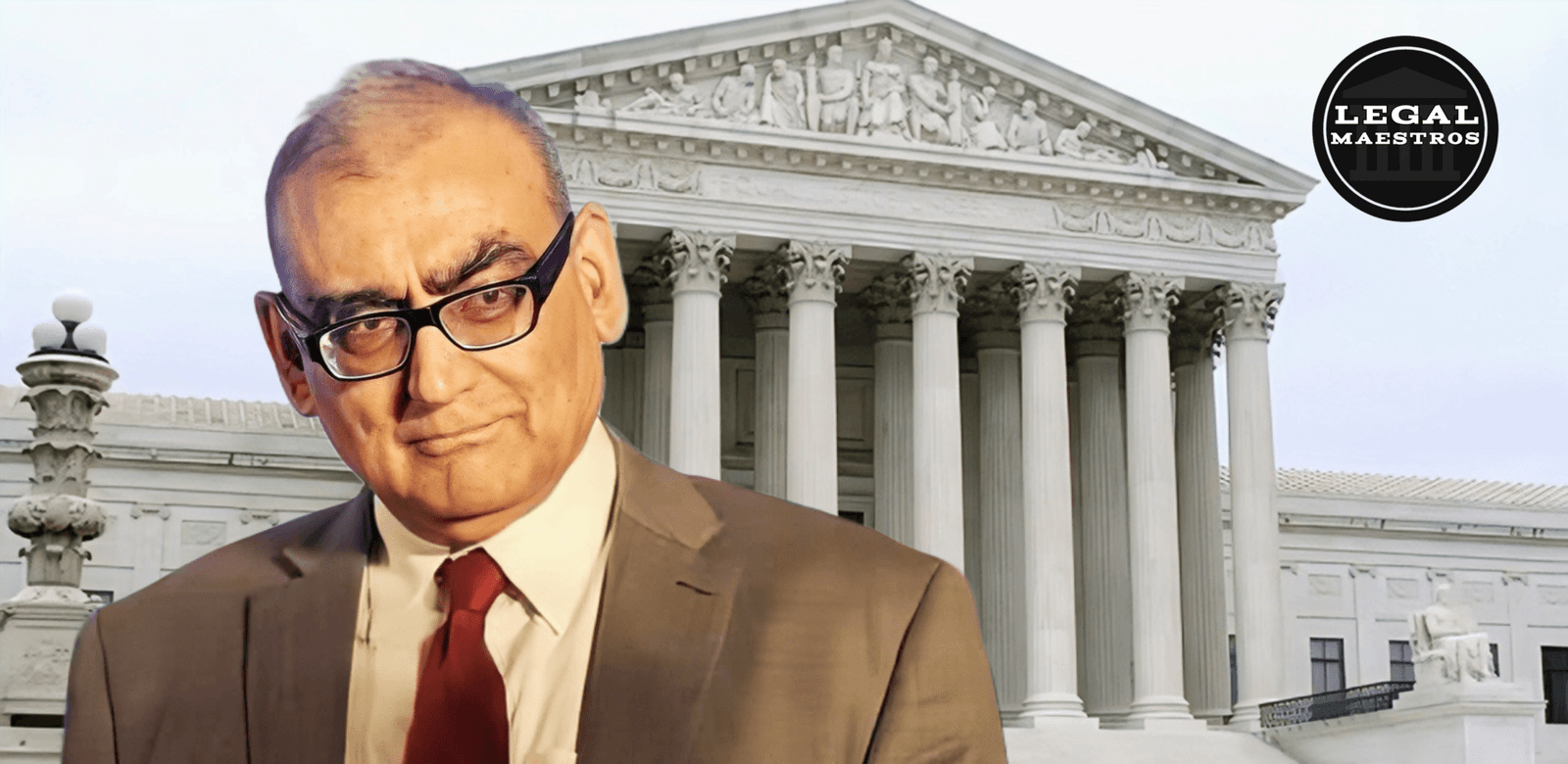
Attorney General Grants Consent for Contempt Case Over Shoe-Throwing Attempt by Rakesh Kishore at BR Gavai
Attorney General Grants Consent on Contempt Case Over Shoe-throwing At attempt on SC Judge. Attorney General of India, R. Venkataramani…
Keeping Pace with Legal Change
Attorney General Grants Consent on Contempt Case Over Shoe-throwing At attempt on SC Judge. Attorney General of India, R. Venkataramani…
By Justice Katju, former Judge of Indian Supreme Court
The issue of whether advocates convicted for contempt can be denied practice raises ethical and legal issues. Contempt of court erodes judicial authority, and the advocates, being officers of the court, are expected to maintain high standards of integrity. In India, the Advocates Act, 1961, authorizes Bar Councils to discipline advocates for misconduct, including convictions for contempt. Exclusion from practice could disproportionately punish reformable offenders, affecting their livelihood. Courts regularly weigh public confidence in the system against rehabilitation potential on a case-by-case basis. This tension is a reflection of professional privilege versus accountability tensions.