BNSS

Sections 36, 37 and 38 – Ensuring Transparent & Lawful Arrests under Bharatiya Nagarik Suraksha Sanhita, 2023

The Bharatiya Nagarik Suraksha Sanhita, 2023 establishes unambiguous guidelines for the arrest procedure, the duties of law enforcement agents, and the rights of those who have been detained. The provisions of Sections 36, 37, and 38 constitute a structured framework that guarantees transparency, accountability, and the preservation of legal rights during the process of arresting and questioning individuals.
Current Legal Update

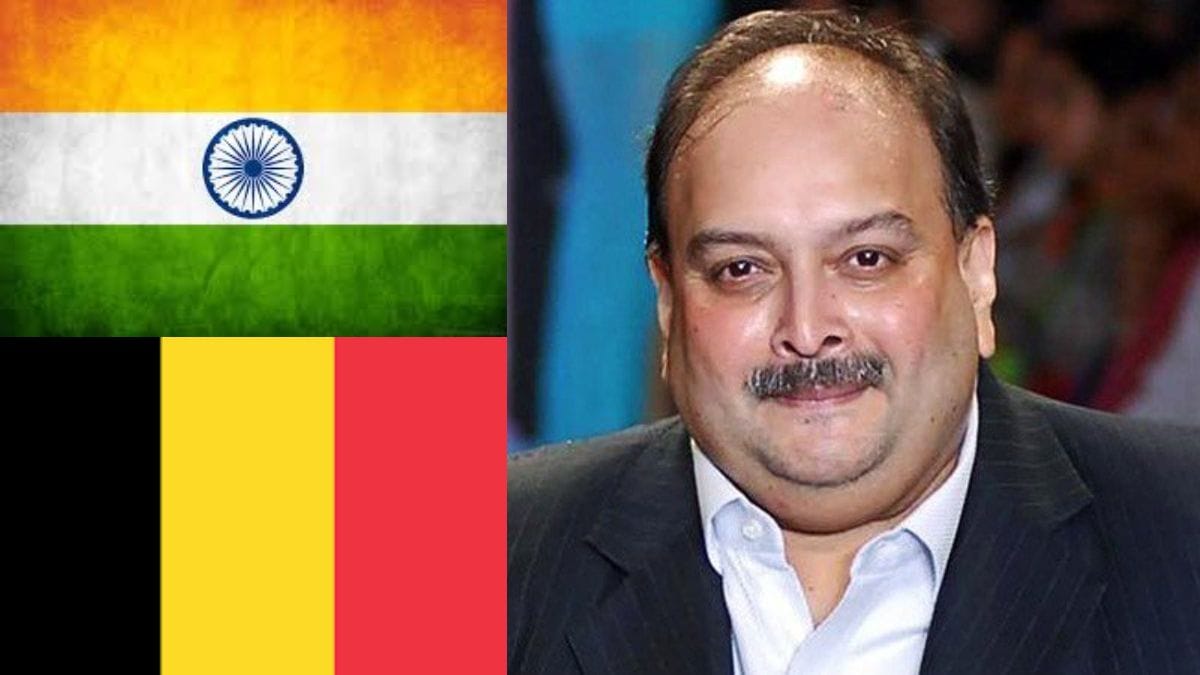
Extradition Treaty and the Case of Mehul Choksi: Legal Framework and Implications

The case of Mehul Choksi reveals the difficulties inherent in extraditing complex, high-profile financial crime cases that traverse international borders. As the courts proceed, continued careful examination of extradition requests based on the proven legal framework as well as the Supreme Court mandates is crucial. The decision will not only be relevant to those involved but can also establish vital precedents regarding future extradition trials in India. It reiterates Indian courts’ commitment to protecting both international criminal cooperation and the basic rights assured to all citizens under the Constitution.

CRIMINAL LAW

Legal Safeguards for Acting Under Legal Duty and Judicial Immunity in the Bhartiya Nyaya Sanhita 2023: Sections 14 and 15

In short, the Bhartiya Nyaya Sanhita 2023 contains significant provisions to safeguard persons who act in legal compulsion and judges who act in their official capacity. Section 14 provides that persons who act on a reasonable belief of legal duty, e.g., a soldier or a court officer, shall not be punished for such action. Section 15 ensures that judges are protected from criminal responsibility while carrying out their judicial functions. These exceptions highlight the necessity of staying within the bounds of law and protecting individuals who obey legal orders, thus upholding a just and efficient justice system. Recent judicial examination and debates highlight that such provisions are imperative in ensuring equilibrium between upholding the law and defending the rights of those who administer it.