Current Legal Update

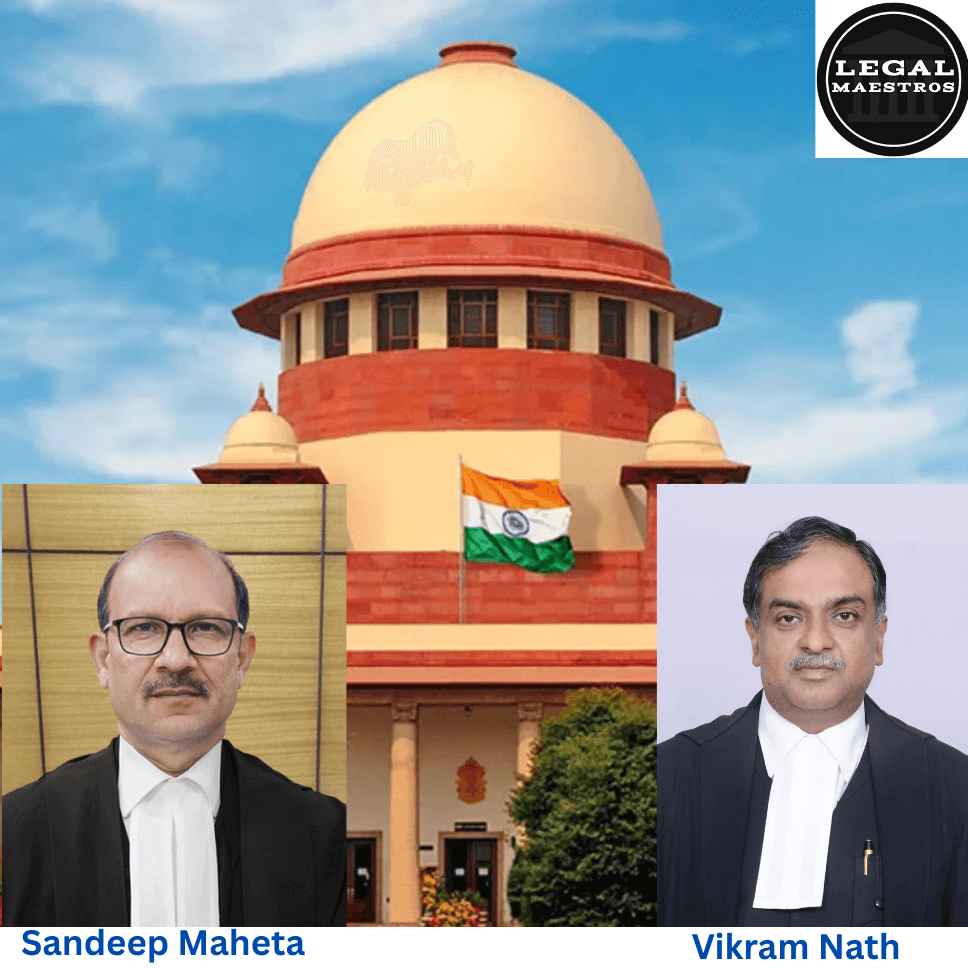
Justice Vikram Nath and Justice Sandeep Mehta Reinstate Trial Court Verdict in Land Partition Dispute

Justices Vikram Nath and Sandeep Mehta reinstated a trial court’s verdict in a land partition dispute, overturning the High Court’s dismissal. The Supreme Court emphasized evidence-based adjudication, restoring the original decree and ensuring equitable division of ancestral property, reinforcing procedural fairness in civil disputes.

BNSS

Sentencing Powers Under the Bharatiya Nagarik Suraksha Sanhita, 2023: An Overview of Sections 22 to 25

In accordance with the Bharatiya Nagarik Suraksha Sanhita, 2023, this article provides an explanation of the sentencing powers that are held by several criminal courts in India. It examines the limits and jurisdiction of High Courts, Sessions Judges, and Magistrates in the process of imposing punishments, including procedures for defaulting on a fine and multiple convictions.

BNSS

Public Prosecution under Sections 18 & 19 of Bharatiya Nagarik Suraksha Sanhita, 2023: Legal Duties, Eligibility, and Institutional Structure

The Bharatiya Nagarik Suraksha Sanhita, 2023 provides a comprehensive set of guidelines that outline the procedure for the appointment of Public Prosecutors and Assistant Public Prosecutors, as well as their qualifications, functions, and obligations. The provisions that govern these provisions to guarantee successful prosecution in courts are governed by Sections 18 and 19 of the Sanhita.

Current Legal Update

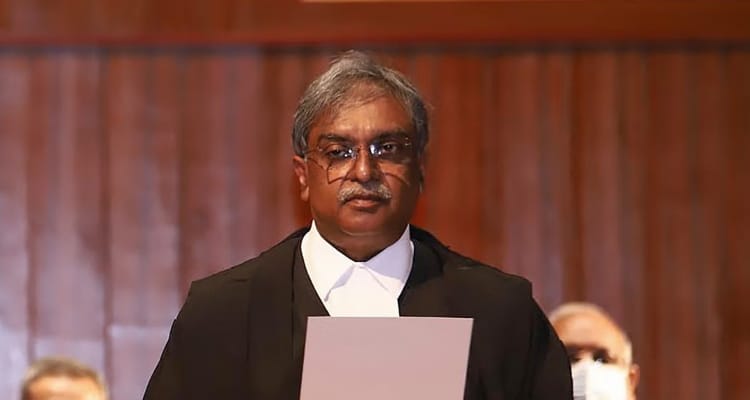
Ensuring Merit and Experience: The Supreme Court’s Landmark Ruling on Judicial Service Recruitment

The Supreme Court restored essential safeguards in judicial recruitment May 20, 2025, reinstating quotas and minimum experience requirements for entry and promotion. By balancing merit and practical legal training, the judgment ensures consistent standards across states and prepares candidates with necessary courtroom exposure, strengthening India’s subordinate judiciary for future challenges.

The Supreme Court restored essential safeguards in judicial recruitment May 20, 2025, reinstating quotas and minimum experience requirements for entry and promotion. By balancing merit and practical legal training, the judgment ensures consistent standards across states and prepares candidates with necessary courtroom exposure, strengthening India’s subordinate judiciary for future challenges.

Law Notes

Grant of Probate and Fee Payment Rules – Sections 52 & 53

This abstract considers Sections 52 and 53 of the Probate and Administration Act 1959 (Revised 1972) with regard to the requirements for the grant of probate and fee payment in Malaysia. Section 52 permits probate or letters of administration of Commonwealth courts to be resealed by the High Court, accorded similar legal effect. Section 53 extends similar coverage to British courts in foreign jurisdictions, subject to any needed amendments. Payment of fees is in accordance with estate duty provisions, ensuring personal representatives’ compliance. These provisions simplify estate administration throughout jurisdictions, reconciling legal powers and financial responsibilities