Current Legal Update

Supreme Court Calls for Performance Audit of High Court Judges Amidst Concerns Over Delays and Accountability

The Supreme Court is distressed by the delays and lack of performance of High Court judges. In light of the recent complaints about unscheduled breaks and the fact some judges had not delivered verdicts that had previously been reserved, the Supreme Court believes some form of a performance audit is necessary to find out whether High Court judges are producing an output consistent with public expenditure. This would aim to restore confidence in the judicial system through enhanced speedy justice and greater transparency.

Current Legal Update

Equal Pensions for Equal Service: Supreme Court’s Clarification on High Court Judges’ Post-Retirement Benefits

The Supreme Court of India, in a landmark ruling on May 19, 2025, mandated equal pensions for all retired High Court judges under the ‘One Rank One Pension’ principle, regardless of their entry route or tenure. The decision eliminates disparities between permanent and additional judges, ensuring a uniform pension of ₹15 lakh annually for Chief Justices and ₹13.5 lakh for other judges. It upholds Article 14’s equality clause, reinforcing judicial independence by standardizing post-retirement benefits. The ruling also extends family pension rights, addressing long-standing inequities.

Current Legal Update

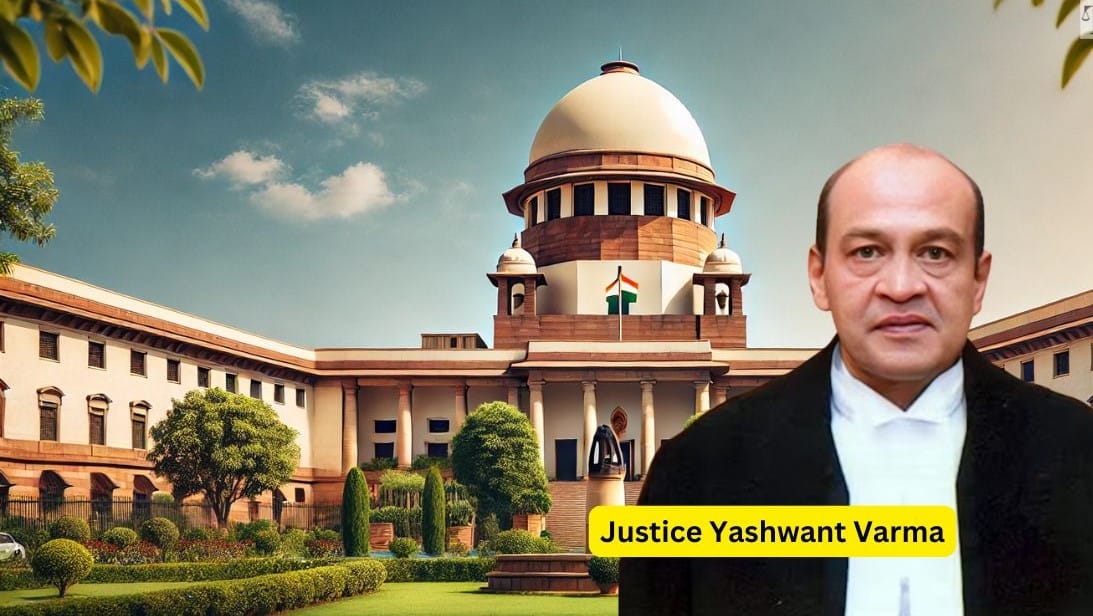
Yashwant Varma Case: How the In-House Inquiry Process Works Against Sitting High Court Judges in India

The Justice Yashwant Varma case has again raised questions about the in-house inquiry process and its shortcomings. Though the process is intended to preserve judicial integrity, questions regarding transparency and accountability still persist. The judiciary has to balance independence and accountability for misconduct by judges. Enhancing the system with improved guidelines and disclosure of inquiry findings to the public may assist in enhancing public faith in the justice system. The Justice Varma case is a reminder that the integrity of the judiciary is predicated on the ability of the judiciary to tackle allegations against members of the judiciary.