Supreme Court

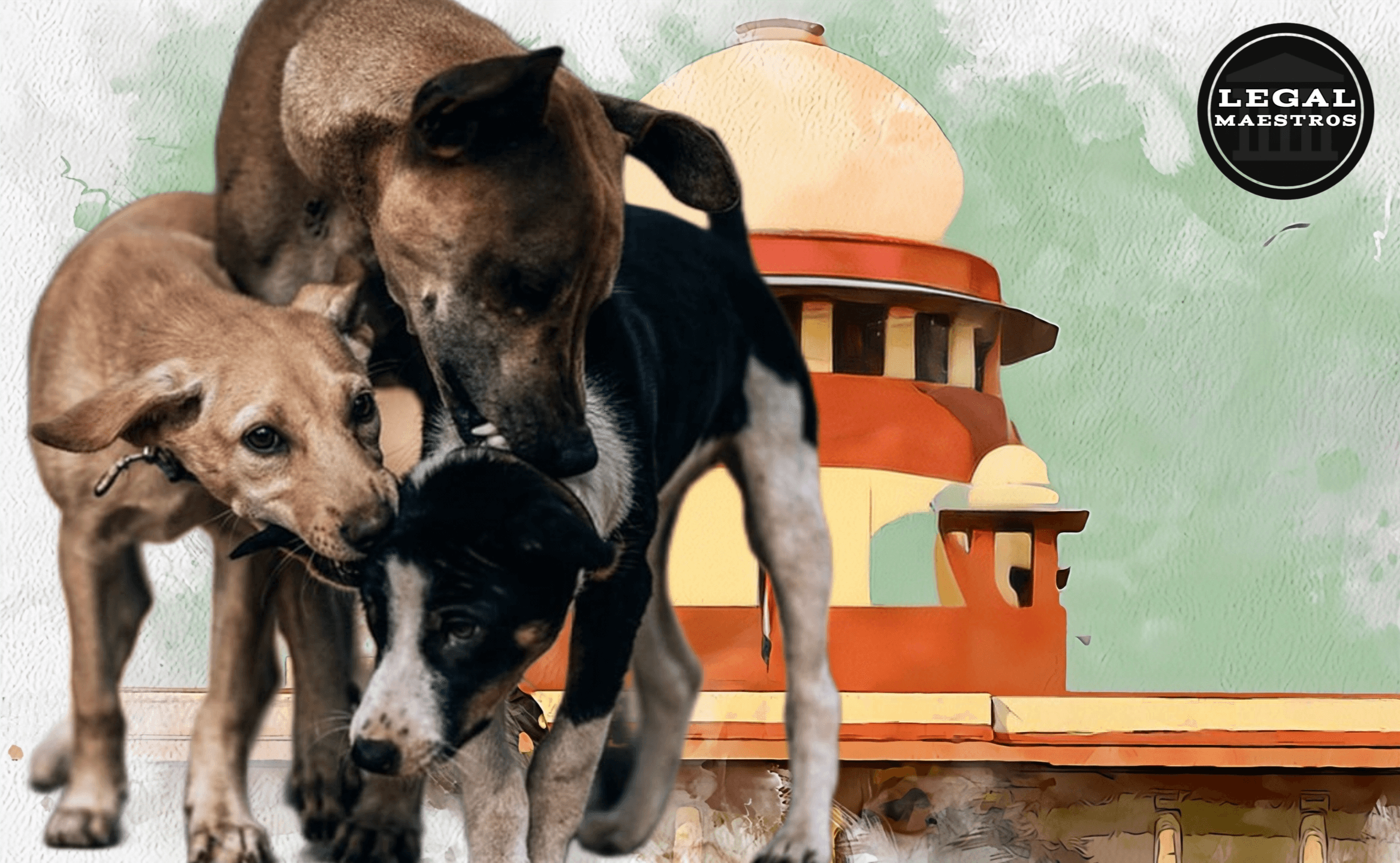
Supreme Court’s Stray Dog Order: Prioritizing Public Safety, Reclaiming Humane Urban Governance in Delhi

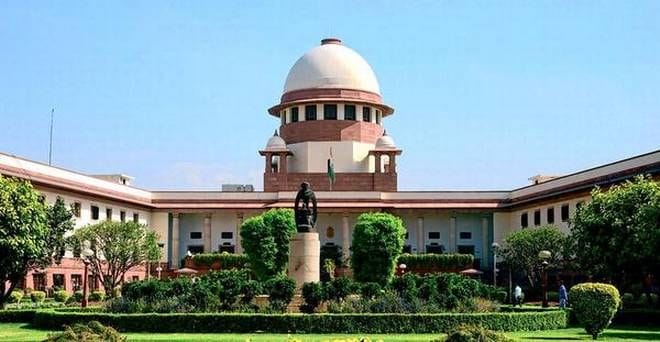
On August 5, 2023, the Supreme Court issued a historic directive instructing the authorities of Delhi and the National Capital Region to round up and permanently shelter all stray dogs (within a period of eight weeks) focus on public safety and the right to life over the sentimentalities of a barking dog and warned that strict action would be taken against any obstruction to it.

Current Legal Update

ANI’s Copyright Lawsuit Against YouTubers: Delhi Court to Settle Fair Use Boundaries

ANI’s court action against popular YouTubers regarding the alleged unlicensed use of news clips sends a strong signal that not only is copyright enforcement high stakes, but the right of creators to use works under copyright is also high stakes. The Delhi Court is going to decide In delivering a judgement its threshold determination of the scope of digital fair use will shape the future of copyright in India.

Current Legal Update

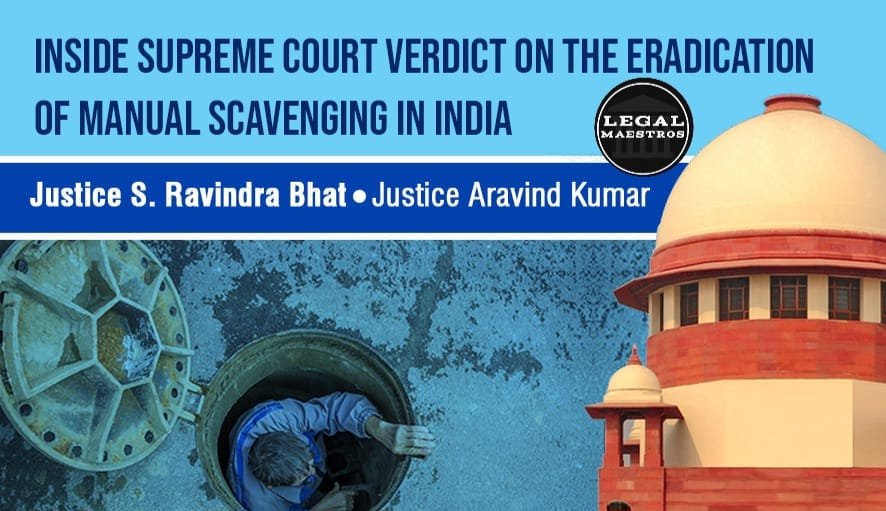
Supreme Court Condemns Manual Scavenging at Its Own Premises, Issues Stark Warning of FIRs Against Responsible Officials

The Supreme Court showed serious concern regarding reports and images of manual scavenging and unsafe cleaning being conducted on the premises of the Supreme Court itself. The Bench expressed disapproval of the continued work, even after a national ban, ordered the officials to provide an account, and indicated criminal action to follow if an adequate response was not provided. The case emphasizes the Court’s determination to remove inhuman cleaning practices and preserve stringent mechanisms for the health and dignity of sanitation workers. 

Current Legal Update

Supreme Court Calls for Performance Audit of High Court Judges Amidst Concerns Over Delays and Accountability

The Supreme Court is distressed by the delays and lack of performance of High Court judges. In light of the recent complaints about unscheduled breaks and the fact some judges had not delivered verdicts that had previously been reserved, the Supreme Court believes some form of a performance audit is necessary to find out whether High Court judges are producing an output consistent with public expenditure. This would aim to restore confidence in the judicial system through enhanced speedy justice and greater transparency.

Supreme Court

Supreme Court Sets Limits on Regulatory Assets for Electricity Tariffs: Emphasizes Accountability and Timely Recovery

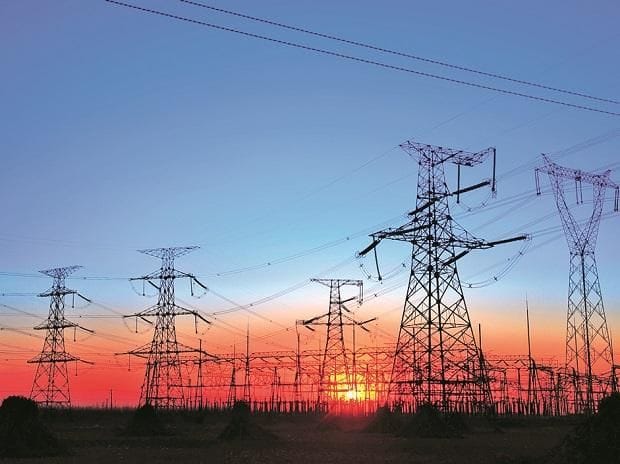
The Supreme Court made it clear that regulatory assets are only expected to be very rare, limited to only 3% annually of revenue, and to be fully recovered in 3 years for new or later assets and 5 years for existing or prior assets. Regulatory Commissions are expected to set up cost-reflective tariffs and equally manage regulatory assets in a fully transparent manner and subject to rules and policies. The judgment imposes strict accountability, and has empowered APTEL to ensure compliance and control against regulatory failure.

Current Legal Update

Simple Fraud Allegations No Bar to Arbitration, Rules Supreme Court

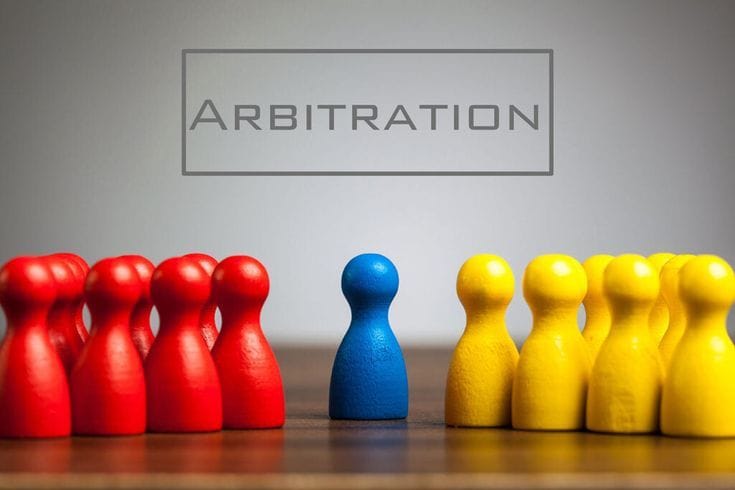
The Supreme Court has established that pending criminal proceedings based upon allegations of “simple fraud” (like cheating or breach of trust) does not prevent arbitration proceedings from progressing; only cases alleging “serious fraud” or cases that challenge the validity of the arbitration agreement or that protect public policy will estop an individual from arbitrating a dispute.

Supreme Court

Supreme Court Clarifies Scope of Section 92 CPC: Societies as Constructive Trusts for Charitable Purposes

The Supreme Court has now articulated the sustainable guidelines on when registered societies can be regarded as “constructive trusts” for charitable purposes under Section 92 of the CPC. The Court concluded that in the context of public good, trust or no trust, societies who hold title to properties for public good, do so in a fiduciary capacity. Accordingly, the Courts can provide relief in the case of alleged fraud, breach (or mismanagement) or simply do not aesthetic objective directions as part of the administration.

Current Legal Update

Supreme Court Rebukes Rajasthan Court Staff for Paralysing Judiciary, Sanctions Disciplinary Action

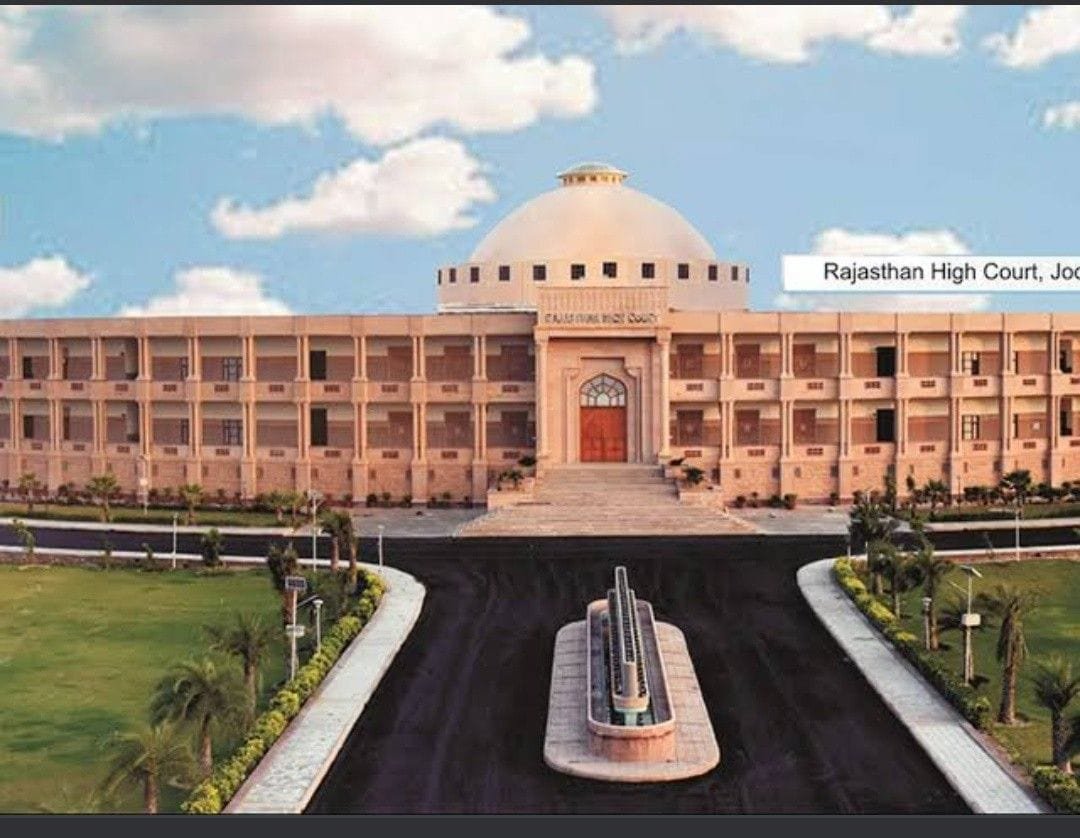
The Supreme Court unequivocally dismissed requests to shield Rajasthan district court employees from punitive action after their employees collectively exercised mass leave to protest delays in restructuring. In an important ruling, the Supreme Court stated that the staff in subordinate courts could not “hold the judicial system at gunpoint” by conducting a strike/collective leave. The ruling reiterated that judicial functions are an essential service that cannot be interrupted and that the courts can maintain strict discipline in the institutional environment.