Current Legal Update

Gopal Khemka Murder: Legal Questions Surround Bihar Police Encounter of Accused Conspirator

This paper will look at the legality issues of the Bihar Police encounter that was killed during the operation Vikas alias Raja who was an accused in the Gopal Khemka murder case. It gives an overview of the case, the legal provisions involved, such as the law of self-defense, and the Supreme Court directions on encounters, as well as the rights of the accused.

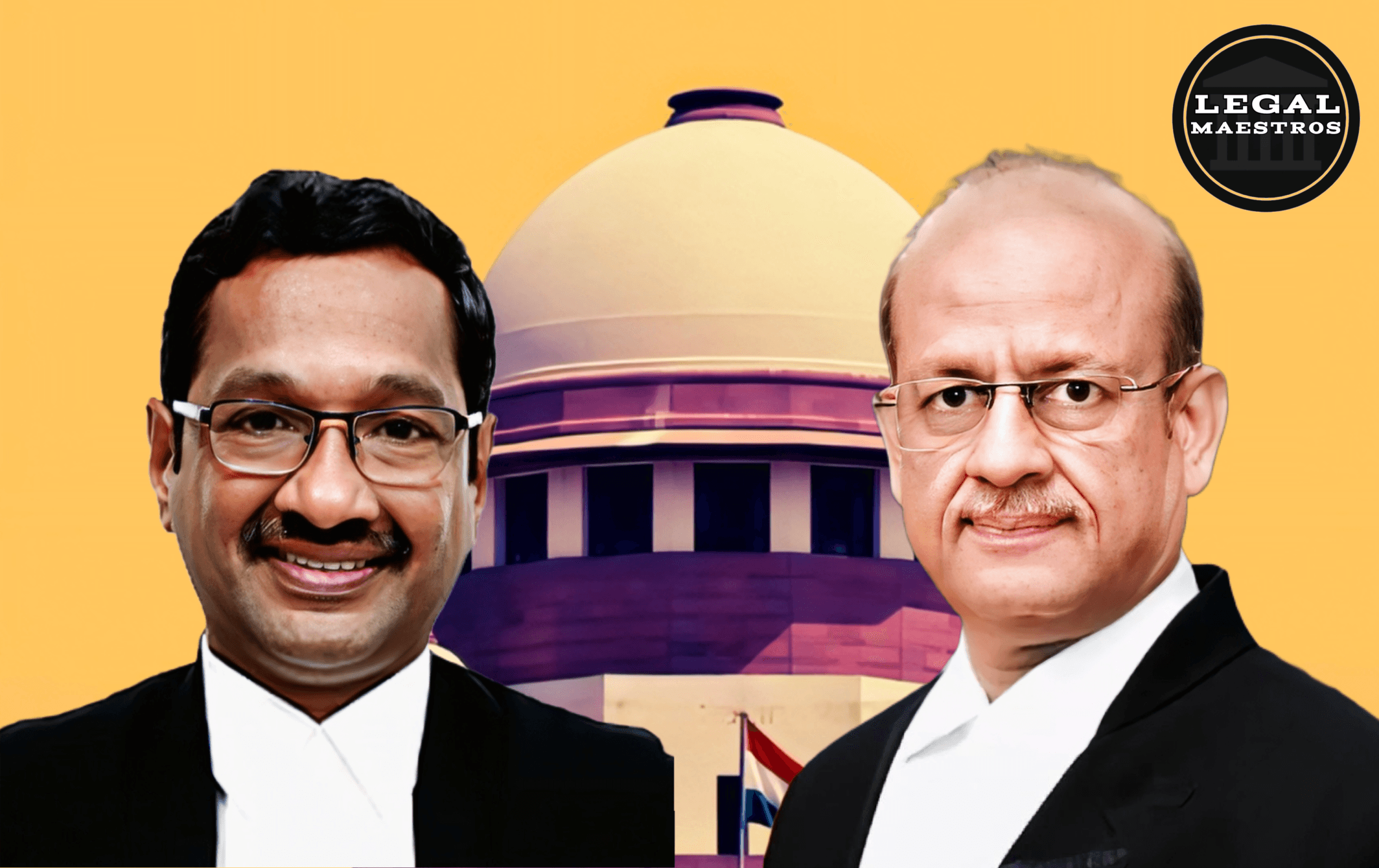
Supreme Court

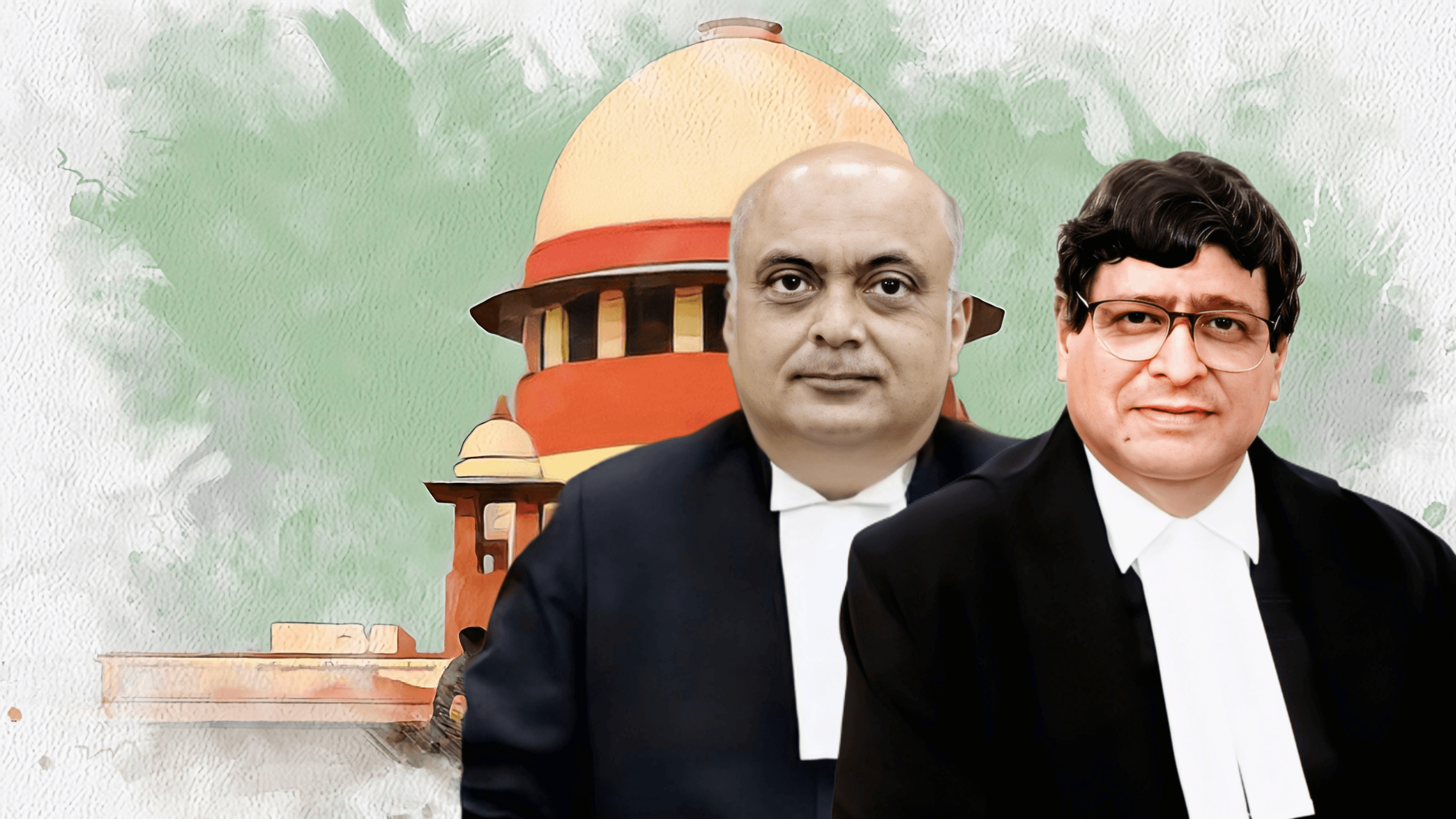
Unpacking Bank Fraud Cases: A Judgment by Justices M.M. Sundresh and Rajesh Bindal

In this article the author analyzes a landmark Supreme Court of India case on the issue of quashing criminal proceedings emanating out of bank fraud. The Court explains the difference between the administrative activities of banks implemented in accordance with RBI Master Directions and a criminal inquiry, and the fact that the quashing of the former will not nullify a criminal proceeding as such. It emphasizes the inapplicability of natural justice during the process of filing FIR and remits cases to be remanded back to be decided afresh.

Supreme Court

Delhi Magistrate Directs Police to File FIR in Shocking Case of Man’s Death in Custody

Chief Judicial Magistrate Vasundhra Chhaunkar ordered an FIR in Setara Bibi’s case under Section 156(3) CrPC after alleged custodial torture led to her husband’s death. The ruling underscores judicial oversight, reinforcing firm swift accountability as police inaction obstructs justice.

Chief Judicial Magistrate Vasundhra Chhaunkar ordered an FIR in Setara Bibi’s case under Section 156(3) CrPC after alleged custodial torture led to her husband’s death. The ruling underscores judicial oversight, reinforcing firm swift accountability as police inaction obstructs justice.

High court

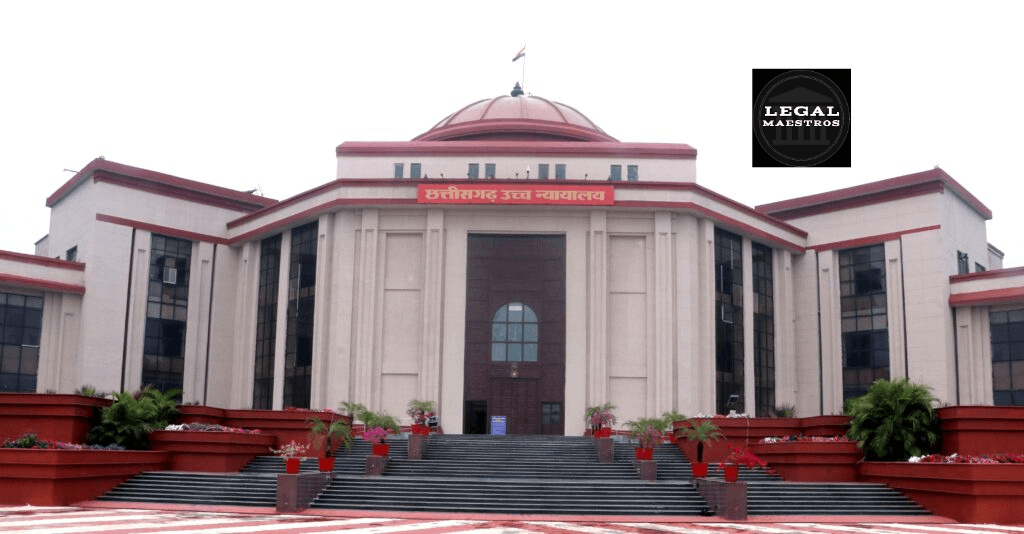
Chhattisgarh High Court Upholds FIR Against Professors in Forced Namaz Case at NSS Camp

This report details the Gurjar protest that halted the Delhi–Mumbai rail corridor, examining charges under Section 174 of the Railways Act and IPC provisions on public nuisance, mischief, and endangering safety, alongside the political fallout and precedential implications for civil dissent.

This report details the Gurjar protest that halted the Delhi–Mumbai rail corridor, examining charges under Section 174 of the Railways Act and IPC provisions on public nuisance, mischief, and endangering safety, alongside the political fallout and precedential implications for civil dissent.

Supreme Court

Justice Ahsanuddin Amanullah and Justice Sudhanshu Dhulia Defend Victim Rights in Insurance Dispute

The Supreme Court of the United States determined that technical questions regarding witness testimony cannot be used to undermine the ability to get compensation for an automobile accident. It overturned the High Court’s decision to deny liability on the part of the insurance carrier and reinstated the award that the MACT had previously given to the relatives of the deceased.

Current Legal Update

BJP MP’s Derogatory Remarks on Sofiya Qureshi: Legal Consequences Under Bharatiya Nyaya Sanhita, 2023

A swift legal and judicial backlash was sparked as a result of the insulting remarks made by BJP minister Kunwar Vijay Shah against Colonel Sofiya Qureshi. These remarks were made in accordance with the Bharatiya Nyaya Sanhita, 2023. The authorities brought attention to the serious nature of communalized and defamatory speech by invoking Sections 152, 196(1)(b), and 197(1)(c). This speech poses a threat to national security, public tranquility, and integration. The First Information Report (FIR) and the subsequent judicial inspection both serve to convey the message that political speech is associated with significant obligations and that the new criminal code will not hesitate to penalize instances of transgression. As India continues to negotiate the issues of diversity and democracy, the Qureshi case stands as a landmark in terms of defining the boundaries of what constitutes acceptable public debate and protecting the dignity of its individuals and institutions.

CRIMINAL LAW

Understanding Court Cognizance and Sanction Requirements under the Bharatiya Nagarik Suraksha Sanhita, 2023

The Bharatiya Nagarik Suraksha Sanhita (BNSS), 2023, makes court cognizance and sanction more clear, superseding the Criminal Procedure Code, 1973. Sections 190 to 199 regulate cognizance, empowering magistrates to proceed on complaints, FIRs, or suo motu, with electronic submission provisions. Section 195 requires pre-sanction of competent authorities for prosecuting public servants or certain offences, striking a balance between accountability and safeguarding. Validity of sanction needs to be checked by the courts before proceeding, upholding legal integrity. These provisions eliminate redundancies in judicial procedures, increase accessibility, and respond to contemporary challenges in India’s criminal justice system.