Current Legal Update

Manipur Violence and Article 371C: Balancing State Autonomy with Central Intervention

Since May 2023, Manipur has been experiencing a sustained period of ethnic violence, which prompted the Union to apply extraordinary constitutional measures under Article 371C from the Constitution. In order to strike a balance between Manipur’s autonomy and the essential involvement from the federal government, this article examines how these laws strengthen central instructions via the function of the Governor.

Current Legal Update

India Faces COVID-19 Revival: Division of Powers Under Schedule VII for Union and State Governments in Public Health Crisis Response

As COVID-19 cases rise again in India, the division of powers under Schedule VII becomes crucial. It defines how Union and State governments share responsibilities in managing public health, emphasizing the importance of cooperative federalism during national health emergencies.

As COVID-19 cases rise again in India, the division of powers under Schedule VII becomes crucial. It defines how Union and State governments share responsibilities in managing public health, emphasizing the importance of cooperative federalism during national health emergencies.

Current Legal Update

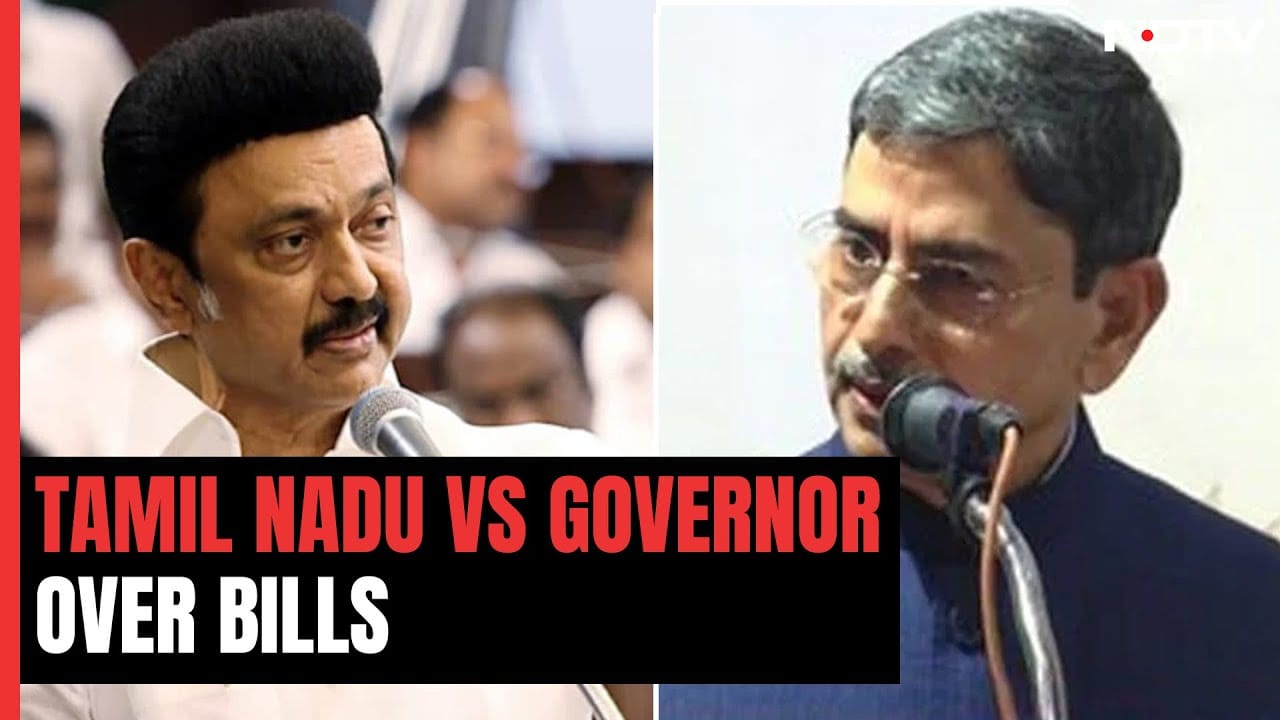
Supreme Court Limits Governor’s Powers: A Victory for Tamil Nadu’s Chief Minister

The Supreme Court’s verdict on the authority of the Tamil Nadu governor concerning state legislation is a notable milestone in the development of India’s democratic process. It emphasizes the central role of the re-passage mechanism in validating the will of the people as articulated through their elected representatives. The case has brought to the fore the fine balance that has to be struck between the roles of constitutional officials and the legislature. For Chief Minister M.K. Stalin and the state government, it is not just a legal triumph but also a reaffirmation of democratic principles and the vital importance of establishing clear lines of command.