Current Legal Update

Legal Implications of False Rape Allegations: Analyzing the Pune Techie’s Misleading Complaint Under Indian Law

The present article explores judicial consequences of false rape complaints in the Indian law by looking into evidential provisions of IPC and CrPC. It specifies provisions on misleading information such as 182 and 211 IPC and their implications to complainants. The article also emphasizes legal protection and evidence playing the most important role in proving falsity.

High court

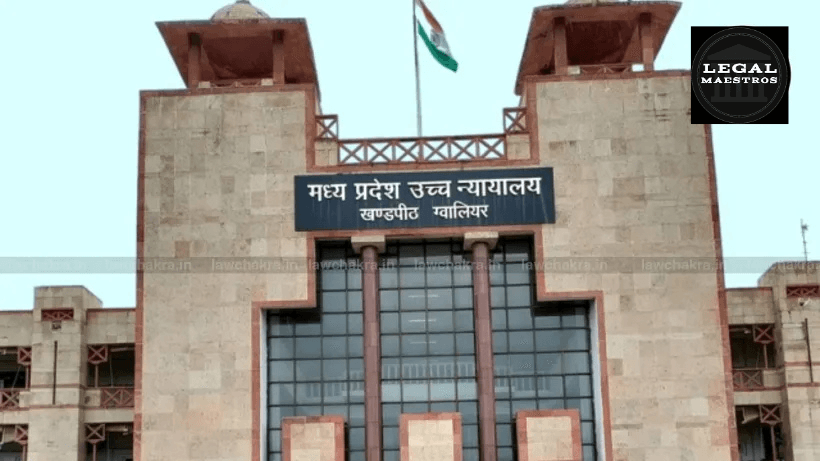
Madhya Pradesh High Court Rules on WhatsApp Chats: Admissible as Evidence in Family Courts Despite Privacy Concerns

Recently, the Madhya Pradesh High Court discussed whether or not evidence that was collected unlawfully might be admitted into court in cases involving marital conflicts. It found that WhatsApp communications, even if they were purportedly obtained without authorization, are admissible in Family Courts if they are significant. This decision upheld Section 14 of the Family Courts Act, which relaxes rigorous evidentiary requirements for the sake of effective conflict settlement.

CRIMINAL LAW

Section 24 of the Bharatiya Nyaya Sanhita 2023 Holds Individuals Accountable for Offenses Requiring Intent or Knowledge Committed While Intoxicated

Section 24 of the Bharatiya Nyaya Sanhita, 2023, addresses the issue of criminal liability in cases where an offense requires specific intent or knowledge, and the act is committed under intoxication. According to this provision, if an individual voluntarily becomes intoxicated and commits such an offense, they are held legally responsible as if they possessed the required intent or knowledge, regardless of their impaired state. However, if the intoxication was involuntary—meaning the substance was administered without their knowledge or against their will—this may serve as a defense, acknowledging that the individual lacked the capacity to form the necessary intent or knowledge due to the involuntary intoxication.