CRIMINAL LAW

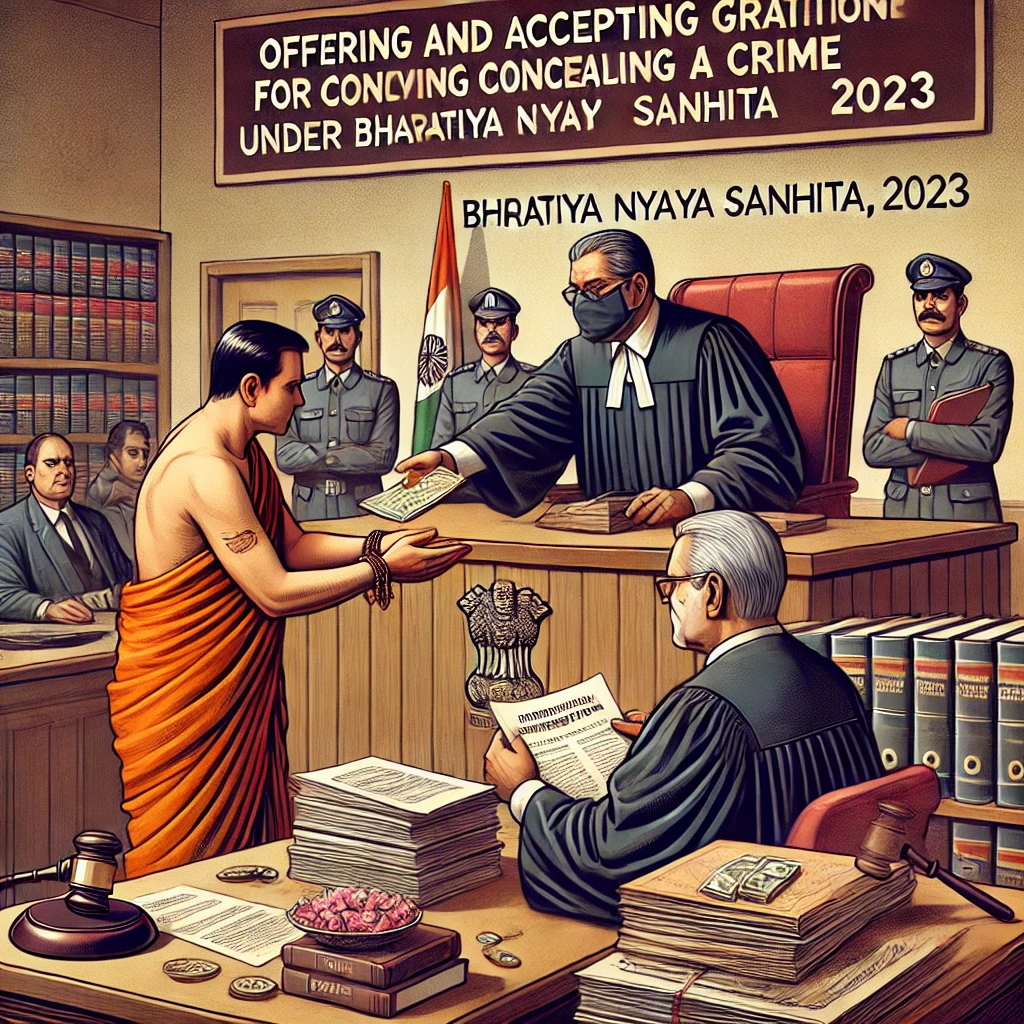
Understanding the Offences of Offering and Accepting Gratification for Concealing Crime Under Bharatiya Nyaya Sanhita, 2023

This manual analyses offences under providing and accepting gratification to hide crimes under the Bharatiya Nyaya Sanhita (BNS), 2023, in lieu of the Indian Penal Code, 1860. Sections 250 and 251 deal with accepting and providing rewards, respectively, to hide offenders, intended to prevent corruption and uphold justice. Punishment involves imprisonment and fines, equivalent to the crime’s gravity. This discussion points to the scope, purpose, and enforcement issues of the provisions within India’s revised criminal justice system, highlighting their importance in advancing transparency and accountability.

CRIMINAL LAW

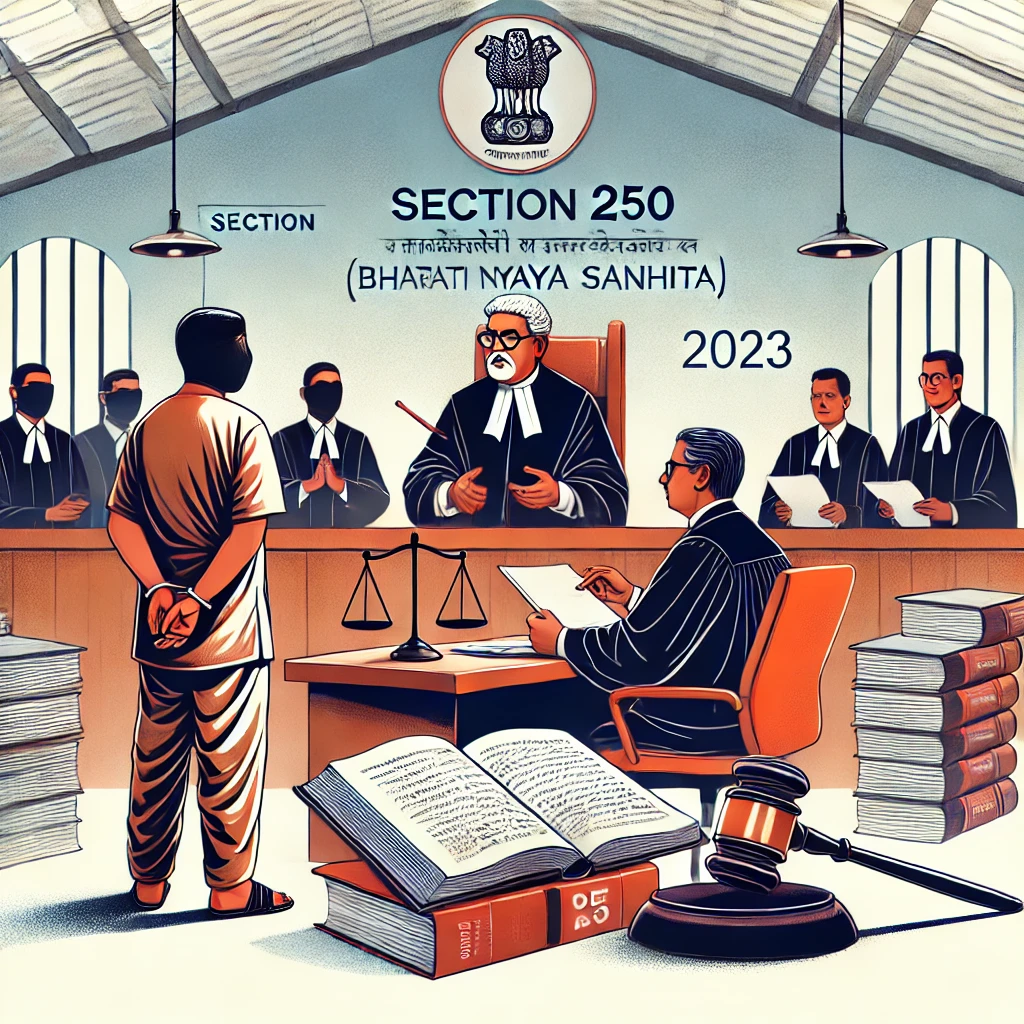
Understanding Section 250 of the Bharatiya Nyaya Sanhita, 2023: Taking Gifts to Screen an Offender

This discussion explores Section 250 of the Bharatiya Nyaya Sanhita (BNS), 2023, repealing the Indian Penal Code, 1860, dealing with the offence of receiving gifts to cover up culprits. Section 250 criminalizes people who accept bribes to cover up offenders, seeking to ensure justice and curb corruption. Sentences involve jail and fines, graded according to the seriousness of the offence. This research examines the provision’s purpose, extent, and procedural implications in India’s reformed criminal justice system, highlighting its contribution to accountability and integrity.

CRIMINAL LAW

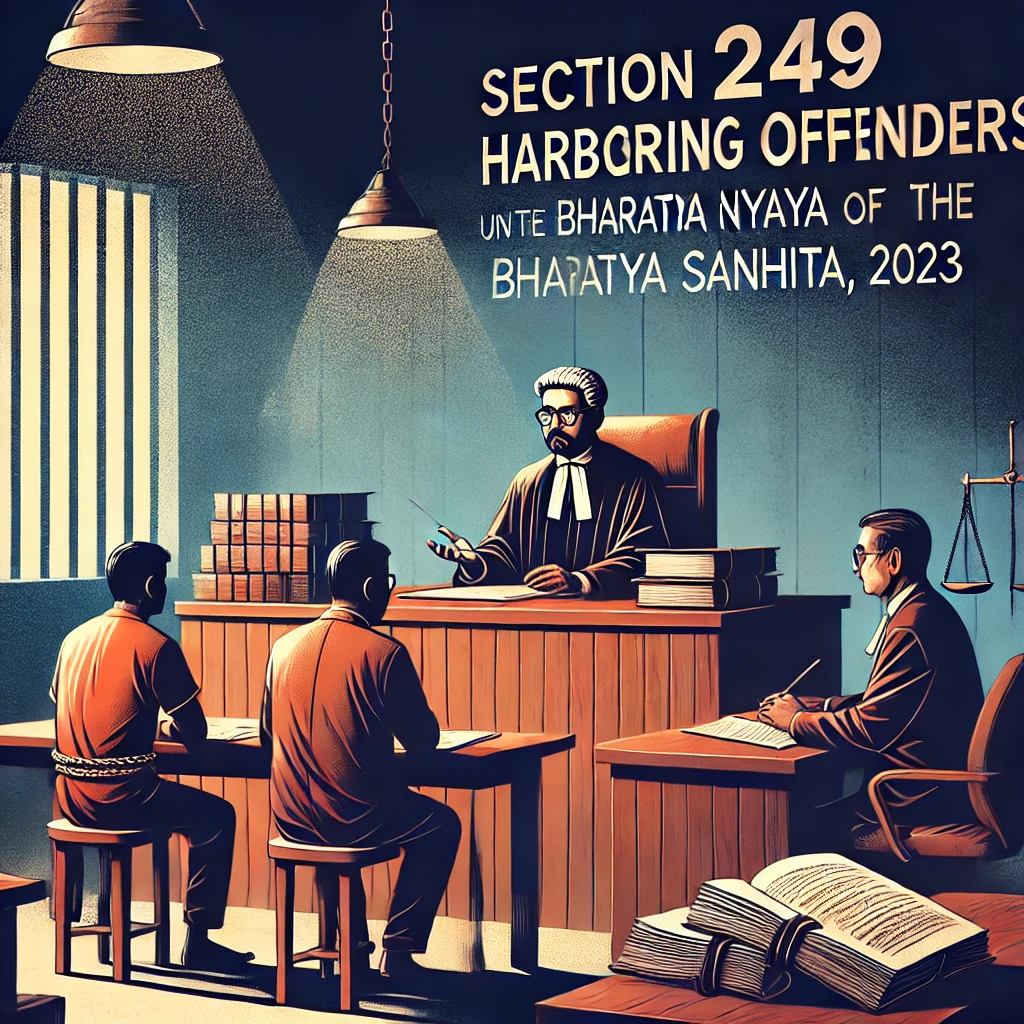
Punishment for Harboring Offenders under Section 249 of the Bharatiya Nyaya Sanhita, 2023

This research analyzes punishment for sheltering criminals under Section 249 of the Bharatiya Nyaya Sanhita (BNS), 2023, replacing the Indian Penal Code, 1860. Section 249 punishes willful sheltering of persons who have committed offenses, with the objective of preventing crime complicity. Punishments range from imprisonment to fines depending on the gravity of the harbored offense, subject to exceptions in case of non-willful acts. This discussion examines the scope, purpose, and compatibility of the provision with India’s contemporary criminal justice system, throwing light on its ramifications for the police and accountability.

CRIMINAL LAW

Can Legal Heirs Continue Criminal Proceedings After the Complainant’s Death?

This discussion explores whether legal successors can pursue criminal cases after the death of a complainant according to Indian law, with reference to the Bharatiya Nagarik Suraksha Sanhita (BNSS), 2023. Criminal cases are generally personal and die with death, but exceptions are made in certain offences like defamation under Section 222 where successors can carry on if authorized by law. Based on judicial precedents and BNSS provisions, this research assesses the scope, limitations, and procedural intricacies, providing insight into the convergence of succession and criminal justice in India’s contemporary legal landscape.

CRIMINAL LAW

Dismissal of Complaint by Magistrate: An Analysis of Section 226 under Bharatiya Nagarik Suraksha Sanhita, 2023

This discussion examines Section 226 of the Bharatiya Nagarik Suraksha Sanhita (BNSS), 2023, dealing with the rejection of complaints by magistrates. Replacing the provisions of the Criminal Procedure Code, 1973, Section 226 authorizes magistrates to reject complaints that are not made with proper grounds after preliminary scrutiny, for judicial efficiency and avoiding frivolous litigation. It weighs access to justice against the necessity of sifting out frivolous claims, providing magistrates with discretion according to evidence and legal merit. This research analyzes the procedural requirements, implications for complainants, and its place in India’s developing criminal justice system.

CRIMINAL LAW

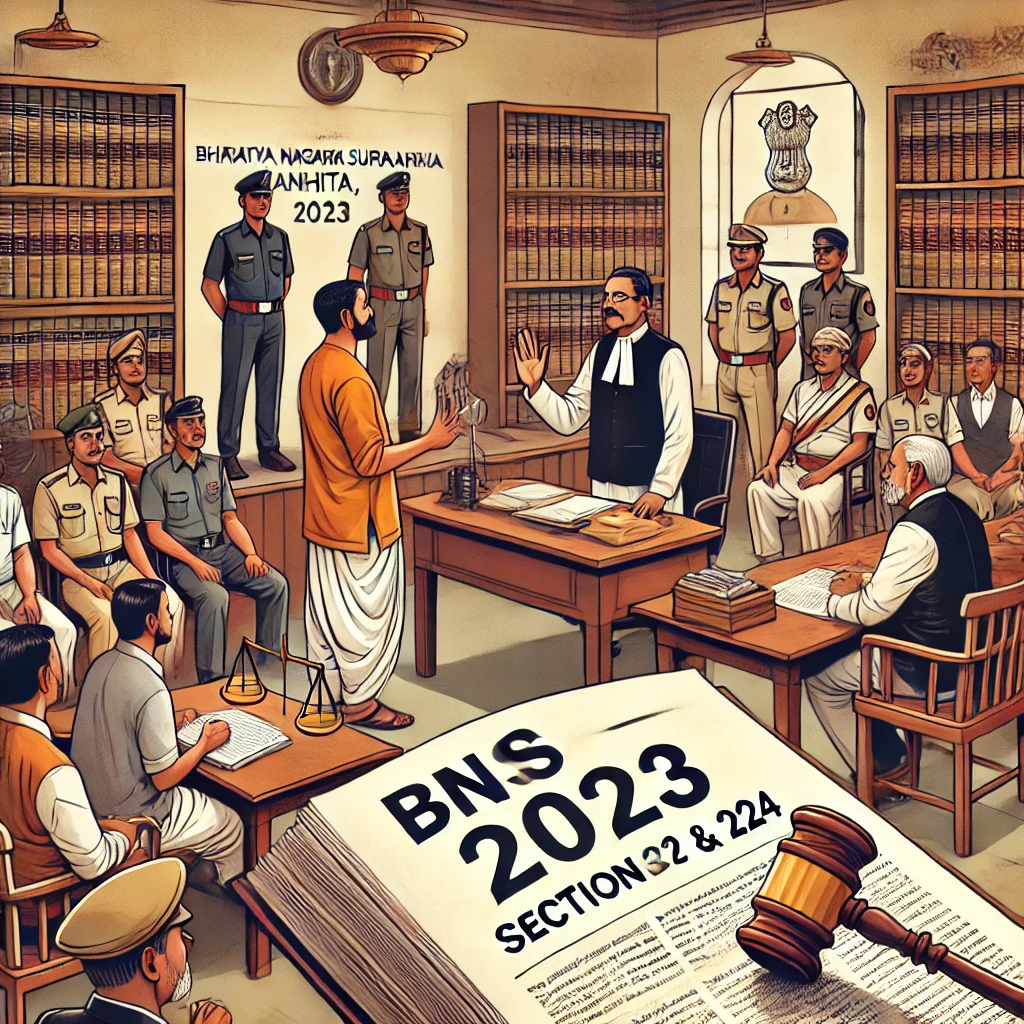
Complaints to Magistrates: Understanding Bharatiya Nagarik Suraksha Sanhita, 2023 (Sections 223 & 224)

This handbook discusses the process of making complaints to magistrates under Sections 223 and 224 of the Bharatiya Nagarik Suraksha Sanhita (BNSS), 2023, replacing the Criminal Procedure Code, 1973. Section 223 specifies the process for filing complaints with an eye towards ease of accessibility for complaining parties, and Section 224 grants magistrates authority to inquire into complaints and file proceedings. The provisions make Indian criminal justice administration efficient by providing easy redressal of grievances. The review emphasizes procedural nuances, magistrate discretion, and how they ensure the maintenance of justice, providing information on this legalized mechanism in modern times.

CRIMINAL LAW

Understanding Marital Offences under the Bharatiya Nagarik Suraksha Sanhita, 2023 and Bharatiya Nyaya Sanhita, 2023: A Detailed Guide

This manual discusses marital offences under Bharatiya Nagarik Suraksha Sanhita (BNSS), 2023, and Bharatiya Nyaya Sanhita (BNS), 2023, laws that replace India’s aging criminal code. It discusses BNSS Section 219, which prescribes prosecution procedure, and BNS Sections 81-84, which establish offences such as cruelty and bigamy. The structure requires complaints by victims, except in the case of vulnerable persons, with a balance between justice and accessibility. Stressing procedural transparency and substantive law, this analysis explains how these acts update legal redress for matrimonial injustices while maintaining cultural ethos. This provides insights for practitioners and scholars dealing with India’s revamped criminal justice system.