Current Legal Update

Supreme Court Calls for Performance Audit of High Court Judges Amidst Concerns Over Delays and Accountability

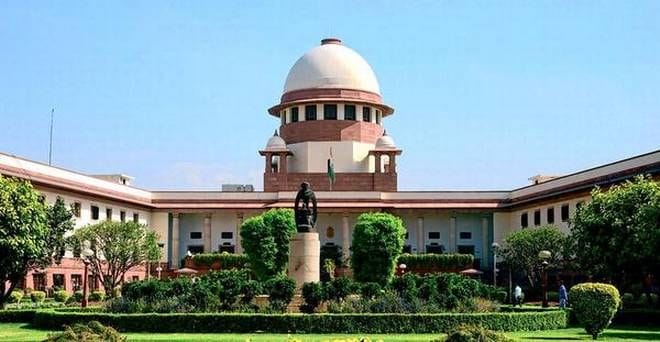
The Supreme Court is distressed by the delays and lack of performance of High Court judges. In light of the recent complaints about unscheduled breaks and the fact some judges had not delivered verdicts that had previously been reserved, the Supreme Court believes some form of a performance audit is necessary to find out whether High Court judges are producing an output consistent with public expenditure. This would aim to restore confidence in the judicial system through enhanced speedy justice and greater transparency.
Current Legal Update

Gopal Khemka Murder: Legal Questions Surround Bihar Police Encounter of Accused Conspirator

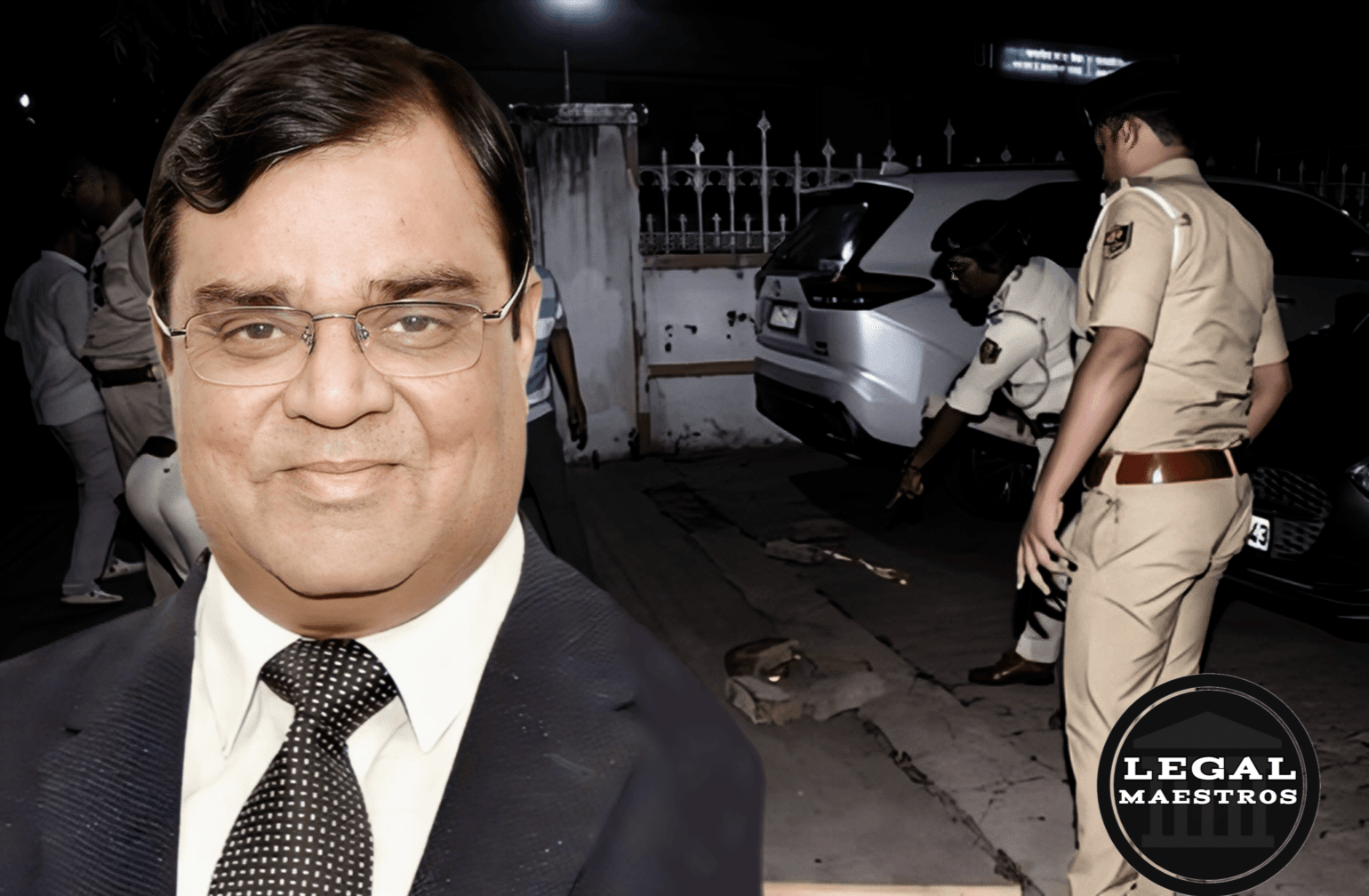
This paper will look at the legality issues of the Bihar Police encounter that was killed during the operation Vikas alias Raja who was an accused in the Gopal Khemka murder case. It gives an overview of the case, the legal provisions involved, such as the law of self-defense, and the Supreme Court directions on encounters, as well as the rights of the accused.

Supreme Court

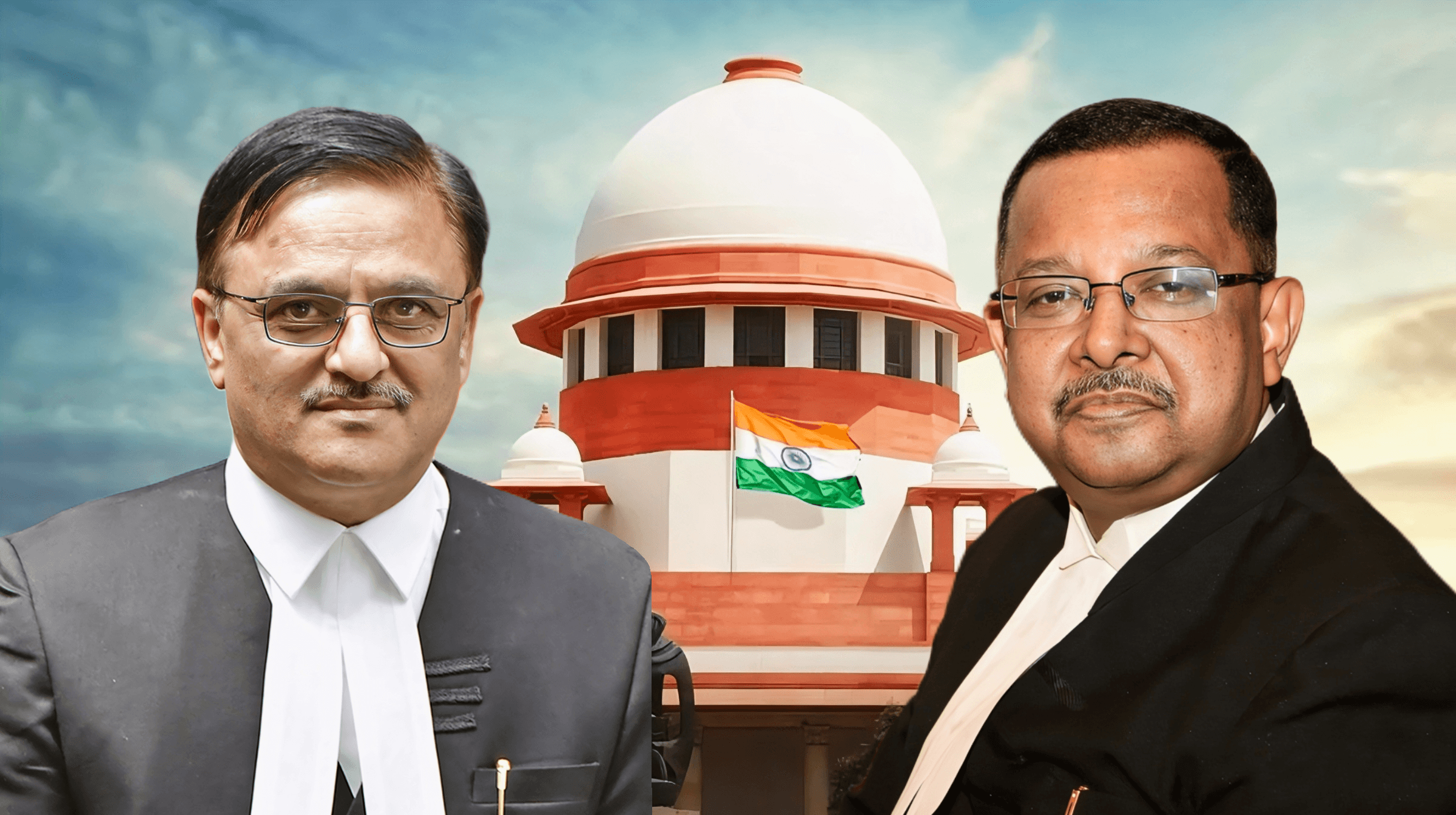
Supreme Court Clears Name of Woman Falsely Accused in Ganja Case – Judgement by Justice Abhay S Oka and Ujjal Bhuyan

On April 16, 2025, the Supreme Court made a very important decision that cleared K. Shikha Barman of all charges. The court found that there were serious mistakes in the way the case was handled and that the wrong person had been identified under the NDPS Act. The Court stressed that the prosecution did not show the defendant’s identity beyond a reasonable doubt.

BNSS

Sections 6, 7, and 8 of the Bharatiya Nagarik Suraksha Sanhita, 2023 – Establishing a Unified Framework for Criminal Courts: Court Classes, Sessions Divisions, and Operational Protocols

With a particular emphasis on Sections 6, 7, and 8, this article provides an explanation of the composition and organizational structure of criminal courts and offices that fall under the jurisdiction of the Bharatiya Nagarik Suraksha Sanhita, 2023. Using straightforward language, it provides information regarding the categorization, jurisdiction, appointments, and operational procedures of the judicial system.

CRIMINAL LAW

Legal Safeguards for Acting Under Legal Duty and Judicial Immunity in the Bhartiya Nyaya Sanhita 2023: Sections 14 and 15

In short, the Bhartiya Nyaya Sanhita 2023 contains significant provisions to safeguard persons who act in legal compulsion and judges who act in their official capacity. Section 14 provides that persons who act on a reasonable belief of legal duty, e.g., a soldier or a court officer, shall not be punished for such action. Section 15 ensures that judges are protected from criminal responsibility while carrying out their judicial functions. These exceptions highlight the necessity of staying within the bounds of law and protecting individuals who obey legal orders, thus upholding a just and efficient justice system. Recent judicial examination and debates highlight that such provisions are imperative in ensuring equilibrium between upholding the law and defending the rights of those who administer it.

CRIMINAL LAW

Section 13 Stringent Measures for Previous Convictions in Bhartiya Nyaya Sanhita 2023

In short, the strengthened punishment clause in the Bhartiya Nyaya Sanhita 2023 is intended to prevent repeat serious crimes by punishing those who have convictions much more severely. By increasing the penalty for offenders who persist in their crimes, the law hopes to make the legal system stand firm against ongoing criminality. This is new-age thinking that is likely to increase public faith in the legal system and make society safer for all.

Further information from other legal analyses and news accounts highlight the significance of this action in having a deterrent impact. The focus on tough treatment for recidivists is a demonstration of the changing needs of society and the ongoing efforts of legislators to enhance public safety and justice.

CRIMINAL LAW

Section 11 and 12 Bharatiya Nyaya Sanhita 2023 Provisions and Limits on Solitary Confinement

Sections 11 and 12 of the Bharatiya Nyaya Sanhita, 2023, offer a systemic approach to the application of solitary confinement. The law ensures that solitary confinement shall be imposed only for short durations and with proper intervals, so as not to cause unnecessary suffering. By controlling how and when solitary confinement is to be applied, these provisions demonstrate commitment to upholding fairness and humanity in the criminal justice system.