High court

Orissa High Court Condemns Illegal Bulldozer Demolitions, Orders ₹10 Lakh Compensation for Affected Parties

The given article examines an important judgement of the Orissa High Court on the matter of the unlawful destruction of a communal building, and points to how the court admonished the disregard of procedure and an abuse of authority by the executive particularly closely. Cruciality of following guideline by Supreme Court on demolition, protection of constitutional right of people and getting confidence of people in governance has been stressed by the ruling. It is a grave cautioning that the action taken by the state can never be out of line with the postulates of natural justice and the rule of law.
Current Legal Update

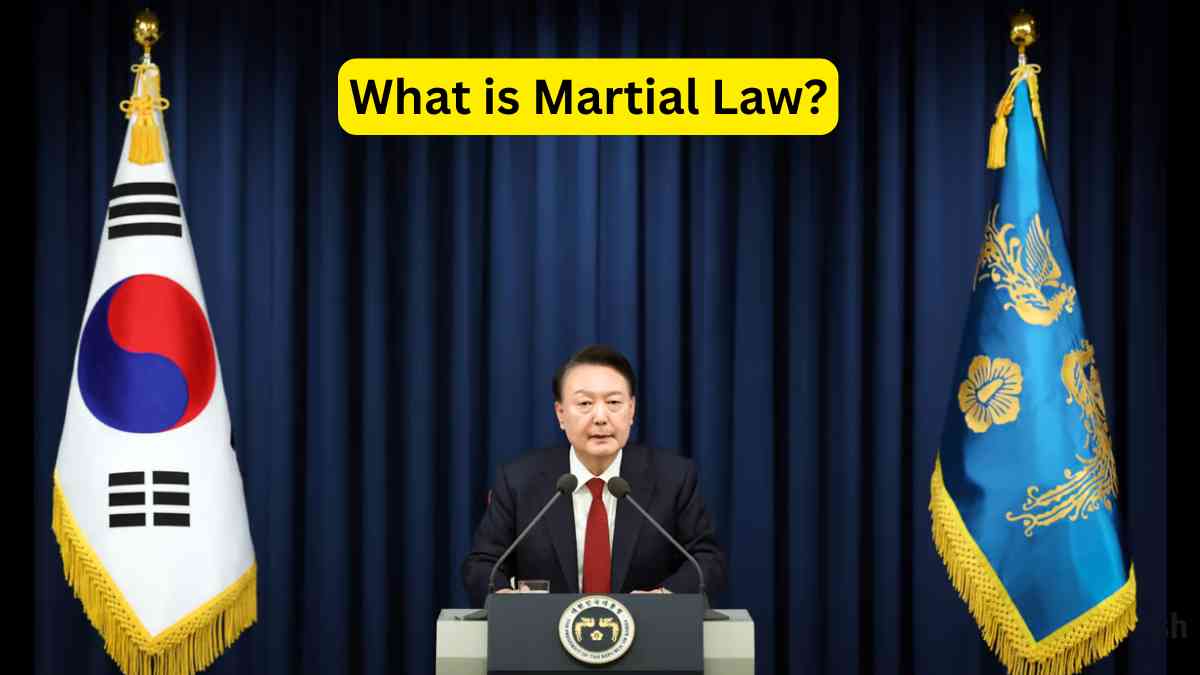
Legal Impact of South Korea’s Martial Law: Can Similar Measures Be Applied in India?

Overall, the legal legacy of martial law in South Korea provides a cautionary example of the dangers of concentrated power and the erosion of civil liberties in times of crisis. Although martial law in South Korea was invoked as an emergency measure, its long-term consequences for the legal and political systems remind us of the dangers of circumventing democratic institutions. India, having a robust constitutional structure and entrenched democratic institutions, is not likely to follow similar steps. India’s legal system, with a focus on judicial checks and protection of individual rights, offers a strong check on any possible misuse of power during emergencies. Though India has its own challenges to face, which sometimes necessitate unorthodox approaches, the experience of the two countries’ history and that of its own prevents the nation from losing sight of the need to preserve the sensitive balance between freedom and security. The experiences of both countries highlight the need to uphold democratic values, even at times of crisis, and provide lessons for guaranteeing that freedom suppressions at times of crisis are not permitted to turn out to be lasting features of government.