Current Legal Update

Stalin v Modi : Tamil Nadu’s Legal Battle in Supreme Court for ₹2291 Crore Samagra Shiksha Funds Release

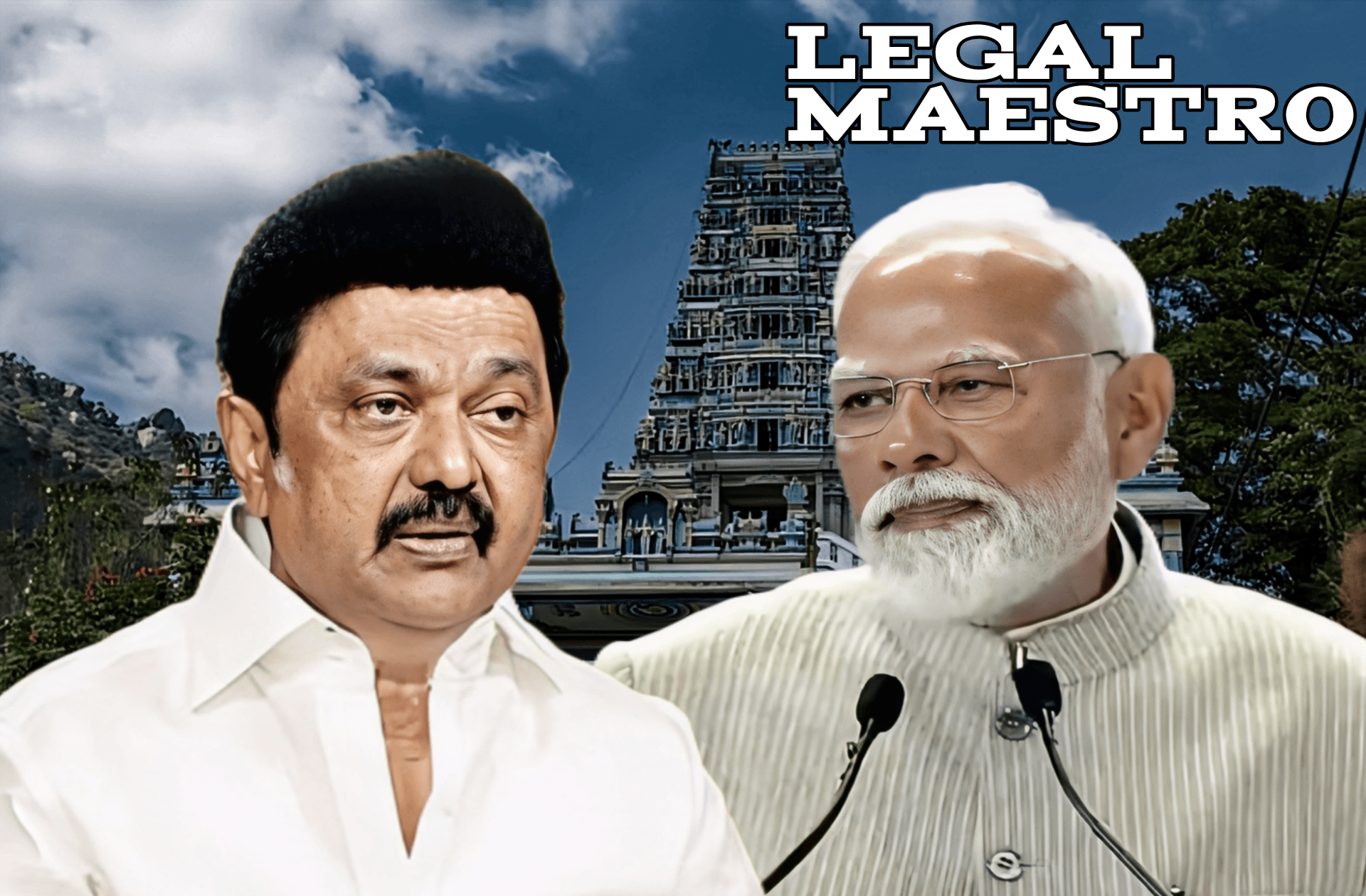
Tamil Nadu’s Chief Minister M.K. Stalin moved the Supreme Court seeking release of ₹2,291 crore under the Samagra Shiksha scheme, arguing statutory entitlement. The Centre cited procedural lapses for withholding funds. The Court ordered partial release and timelines for compliance, underlining the balance between federal cooperation and accountability.

Current Legal Update

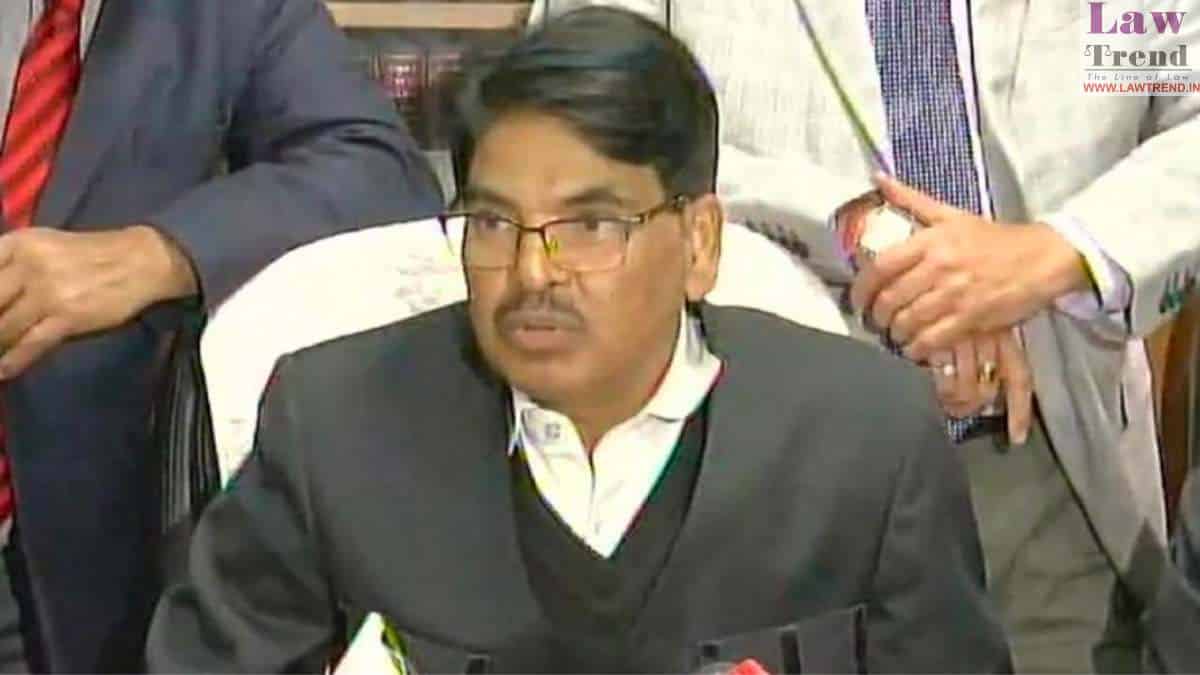
BCI Chairman Manan Mishra’s Plea to CJI Gavai: Barriers Faced by First-Generation Advocates in Litigation

First-generation advocates often find themselves at a disadvantage when it comes to securing courtroom assignments. In many high courts and the Supreme Court, case rosters are influenced by informal relationships and long-established networks. Senior advocates and prominent law firms receive priority, while new entrants struggle to gain visibility. Without invitations to argue important matters, these lawyers miss critical opportunities to build reputations, hone advocacy skills, and attract clients.

The absence of transparent criteria for assigning cases exacerbates this imbalance. Clerks and court officers frequently rely on personal discretion rather than a merit-based process, and clients default to familiar names even when fresh talent is available. This perpetuates a cycle where first-generation advocates remain on the periphery, unable to demonstrate their capabilities on high-stakes platforms. As a result, the profession loses out on diverse perspectives, and justice delivery risks becoming insular and less responsive to the needs of a varied populace.
Current Legal Update

J&K Police’s PSA Crackdown in Srinagar: Constitutional Analysis of Public Safety Act’s Role in Mass Detentions Post-Pahalgam Attack

The Public Safety Act empowers senior executive officers to order preventive detention in the name of “public order” or “security of the State.” Under Section 8, a Divisional Commissioner or District Magistrate may detain any person for up to two years if they believe that individual’s activities could disturb peace or incite violence. Detention orders must outline the grounds for arrest within ten days, although Section 13 permits withholding of sensitive details deemed against public interest. Critics argue that such broad discretion enables arbitrary use of power, eroding trust in the legal system.

Once a detention is ordered, Section 16 mandates that an Advisory Board—comprised of members appointed by the State Government—review the case within four weeks. However, detainees are denied access to legal counsel during these proceedings, and the Board’s recommendations are non-binding. Section 22 further shields officials from legal liability for actions taken “in good faith” under the Act. Together, these provisions create a framework where procedural safeguards exist in theory but often falter in practice, leaving detainees with limited recourse to challenge prolonged preventive detention.