High Court of Delhi Requests Government and Google to respond to blocking of YouTube channel 4PM News.
Introduction The Delhi High Court recently took up a case related to the blocking of a YouTube channel named “4PM…
Keeping Pace with Legal Change
Introduction The Delhi High Court recently took up a case related to the blocking of a YouTube channel named “4PM…
The new action of the Supreme Court of India on 27 May 2018, to clear of all stray dogs in…
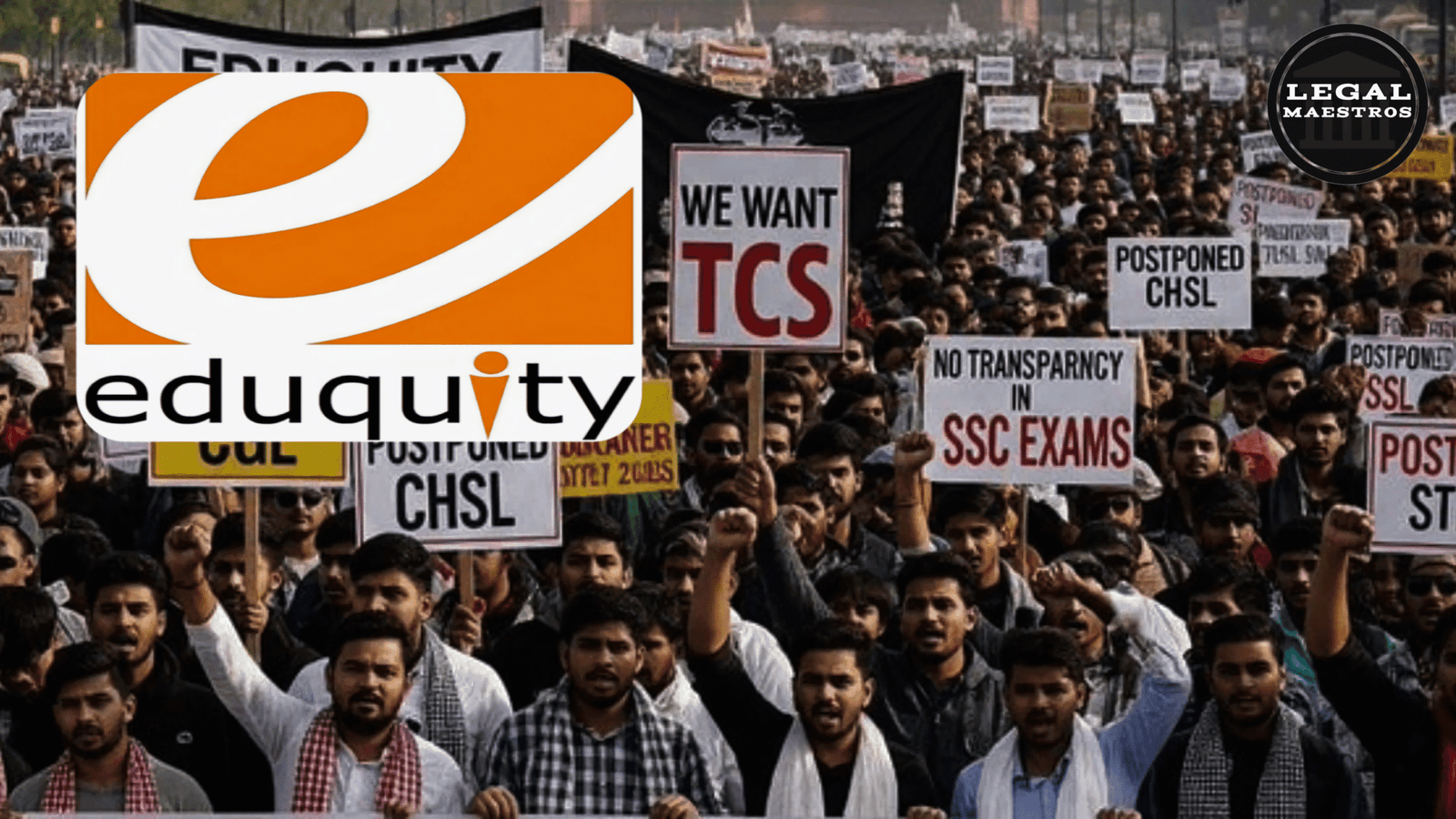
At the heart of a crisis of integrity in the Indian system of public examination, and a firm that markets…
Delhi High Court is in the midst of a big legal controversy, whether the Central Government can actually exercise its…
In an important ruling, the Supreme Court of India, recently, ruled on an important issue of human rights of prisoners…
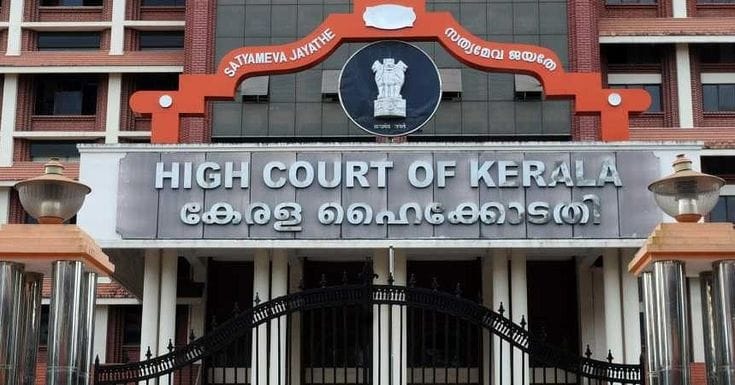
The Kerala High Court instructed the CBFC to issue a censor certificate for the Malayalam movie JSK: Janaki v/s State of Kerala, denying excessive censorship for alleged religious insensitivity. The court ruled that minor alterations were adequate and stressed that artistic freedom under Articles 19(1)(a) and 19(1)(g) should not be stifled by subjective criteria. The decision is an important precedent balancing creative expression with communal sensibility within constitutional limits.
This article focuses on rhetoric used by leaders of MNS based on language in Maharashtra that presents a challenge over constitutional rights, that is, freedom of speech versus freedom of order. It outlines the existence of Indian laws that bear relevance to hate speech and examines past and contemporary examples with attention to the damages on the basic rights and the position of the regulators to maintain conformity to the constitutional ideals.
In this paper, the author will discuss the recent court order on Satyaki Savarkar vs. Rahul Gandhi is making an argument based on the inherent right against self-incrimination portrayed in the Article 20(3) of the Indian Constitution. It brings out the refusal of the court to force the accused to tender incriminating documents prior to trial, the onus of proof where it rests upon the complainant and the presumption of innocence.
This article examines a recent judgement of the Madras high court which indicates the importance of giving rights to mentally incompetent dependents to obtain their family pension without any undue obstacles. It focuses on how the court has interpreted the rules on pensions, its very tough stand against bureaucratic delays in the delivery of goods and services and its demand of a humane nature as directed by the constitution. The case brings out the importance of the judiciary in supporting social welfare provisions for vulnerable groups in society.
The Supreme Court is hearing an important legal issue which is pressed out because of the arrest of Pankaj Bansal by the Enforcement Directorate (ED). Karnataka states that the ED is only liable to give reasons for its arrest in written form prospectively as held by the Supreme Court in Pankaj Bansal v. Military of India. This might influence many current probes that are going on under the Prevention of Money Laundering Act (PMLA).