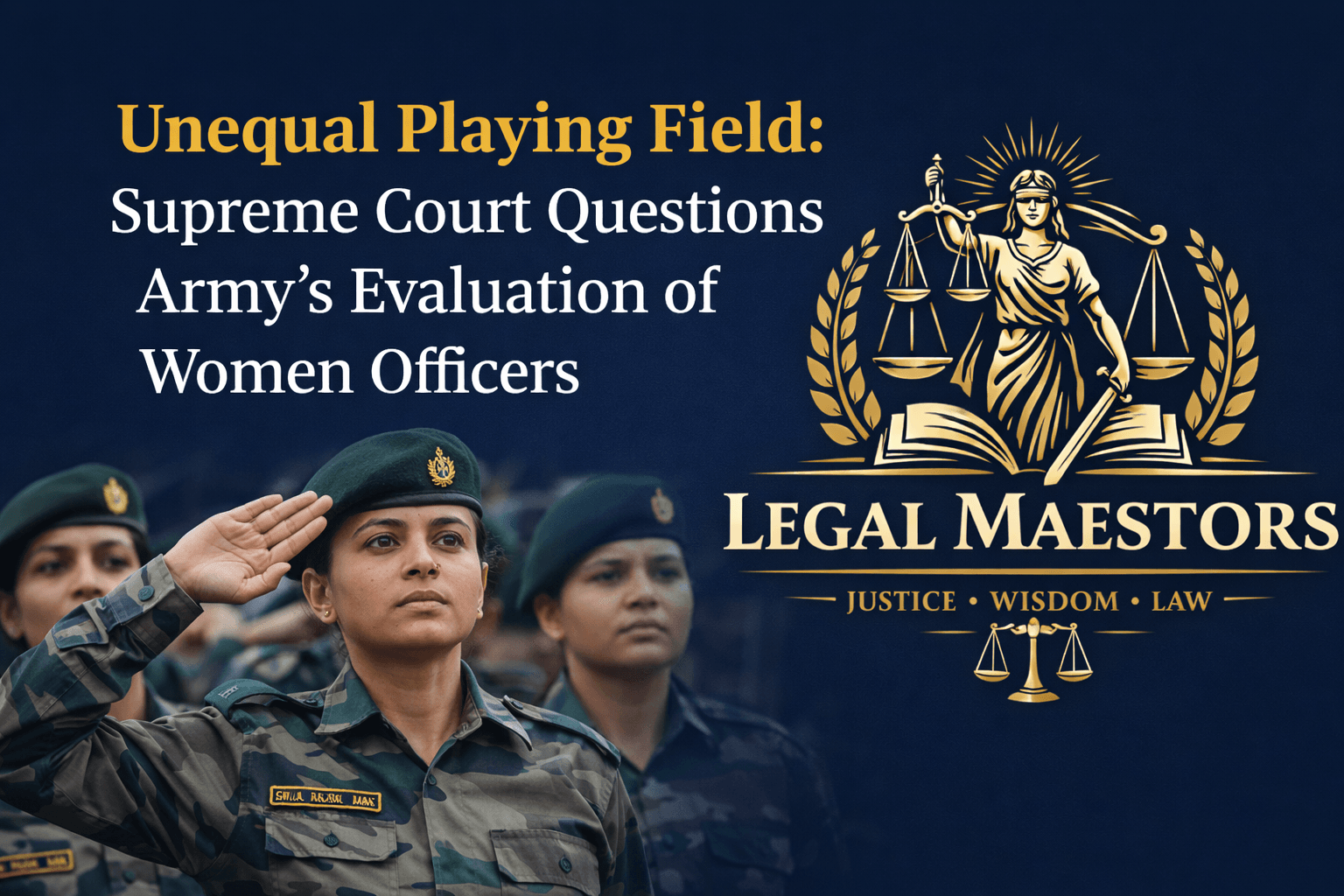
The Supreme Court of India is looking into the issue of fairness in the Indian Army focusing on women officers. The court is saying that the system is not fair to women officers.
Introduction
The Supreme Court of India is talking about fairness in the Indian Army for women officers. The court says that even if the rules seem fair the system can still be unfair. This is because of the way women officers are evaluated and the opportunities they get.
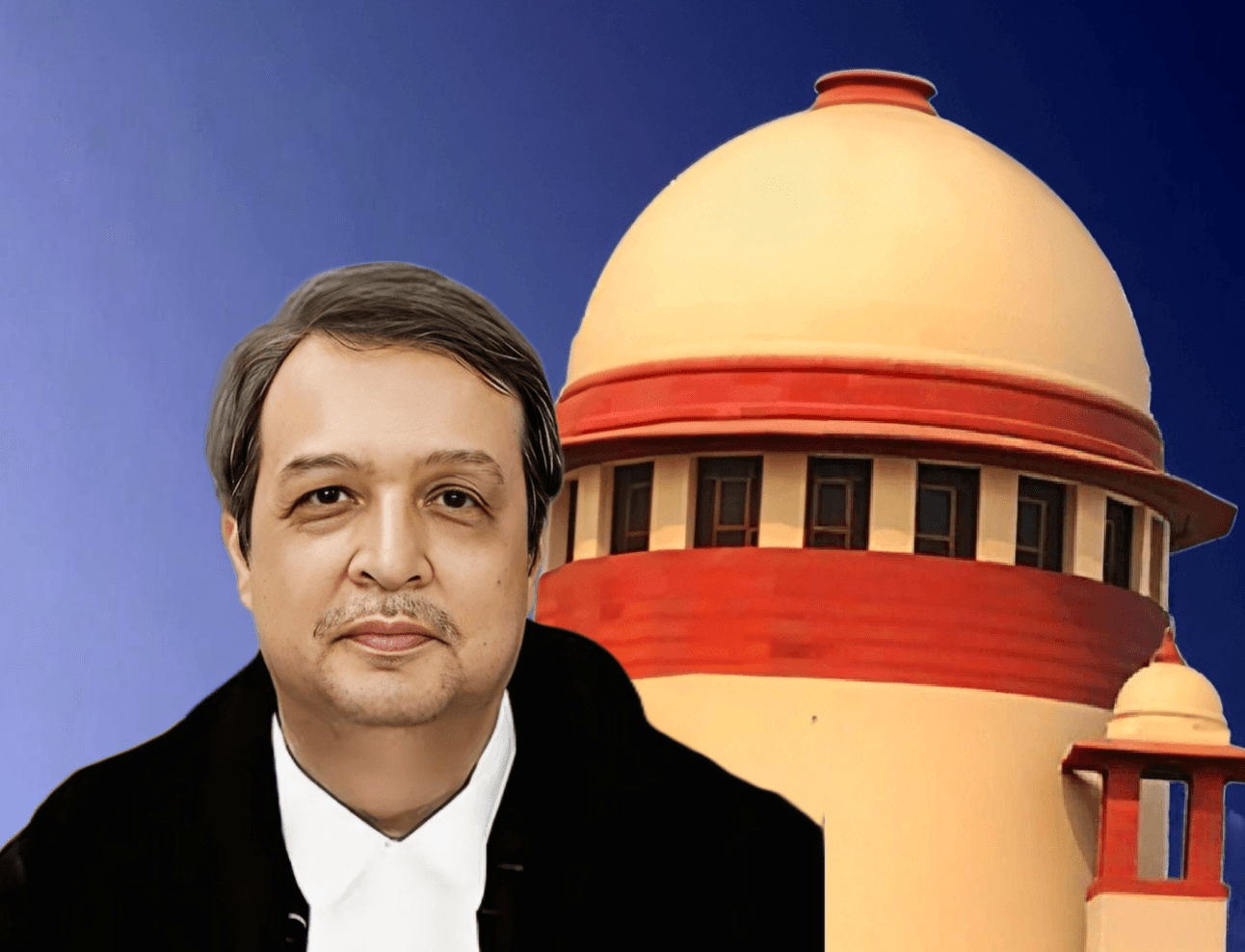
The case was decided by a group of judges led by Chief Justice Surya Kant, along with Justice Ujjal Bhuyan and Justice Nongmeikapam Kotiswar Singh.
Background of the Case
A group of women officers in the Indian Army around 73 of them filed a case. They were Short Service Commission Officers. They said the process of selecting officers for Permanent Commission was not fair.
These women officers were commissioned between 2010 and 2012. They were among the women to be considered for Permanent Commission just like their male colleagues.
The Armed Forces Tribunal said there was no discrimination. It said the women officers were not given Permanent Commission because they did not have merit. The women officers did not agree with this decision so they went to the Supreme Court.
Understanding the System of Permanent Commission
In the Indian Army officers can serve in two ways: Permanent Commission or Short Service Commission.
Permanent Commission means an officer can serve until they retire, with career growth and pension. Short Service Commission officers serve for a period, usually 10 to 14 years.
For a time women were not allowed to have Permanent Commission in most parts of the Indian Army. When the rules changed the way women officers were evaluated was still not fair.
Main Issues Before the Court
The Supreme Court looked at important issues.
The first issue was whether the reports on women officers called Annual Confidential Reports were fair.
The second issue was whether women officers got the opportunities as men for important jobs and training.
The third issue was whether the limit on the number of Permanent Commissions was fair.
The fourth issue was whether the whole system was unfair to women officers.
Problem with Performance Reports
The Court found that the Annual Confidential Reports were very important in deciding who got Permanent Commission. These reports made up 75 percent of the evaluation.
These reports were written at a time when women officers were not expected to have long careers in the Indian Army. So their performance was not taken seriously as that of men.
Men often got grades because they were expected to get Permanent Commission. Women officers got grades.
The Court said this created a situation. The lower grades affected the women officers chances when they were considered for Permanent Commission.
Lack of Equal Opportunities
The Court also looked at whether women officers got the opportunities as men.
It found that women officers were often not given jobs that could help their careers. They also did not have access to training that could improve their profiles.
Even though these things did not directly affect the evaluation they influenced how the officers were seen overall.
The Court said that when officers are judged together these differences create a situation. Women officers were competing with men who had opportunities throughout their careers.
Impact of Structural Inequality
The Court explained that just because everyone is competing at the time it does not mean it is fair.
The Court said that women officers were at a disadvantage because the system never expected them to reach positions. When the rules changed they were suddenly made to compete without fixing this imbalance.
This the Court said, was not fair.
Issue of Vacancy Cap
Another big issue was the limit of 250 Permanent Commissions each year.
The Court did not directly change this policy saying it was up to the government and the military to decide.
It said that this limit cannot be used to justify unfair outcomes especially when the evaluation process is flawed.
Court’s Findings
The Supreme Court did not agree with the Armed Forces Tribunal.
It said the evaluation process was not fair because it did not consider the disadvantages women officers faced over the years.
The Court found that the grading of reports lack of opportunities and systemic bias all affected the women officers chances.
So the denial of Permanent Commission was not just about merit.
Significance of the Judgment
This judgment is important because it looks beyond following the rules.
It recognizes that fairness is not about treating everyone the same but about giving everyone a fair chance.
The decision also highlights the need for institutions to fix inequalities before making new policies.
Conclusion
The Supreme Court is saying that fairness in law must be fairness.
By acknowledging the disadvantages women officers faced the Court is taking a step towards true equality in the Indian Army.
This judgment will likely influence policies and improve how merit is assessed in the military.
Keywords
Supreme Court judgment women officers, Indian Army, permanent commission, short service commission, ACR grading, gender discrimination, vacancy cap, armed forces policy, equality, in service