









Current Legal Update

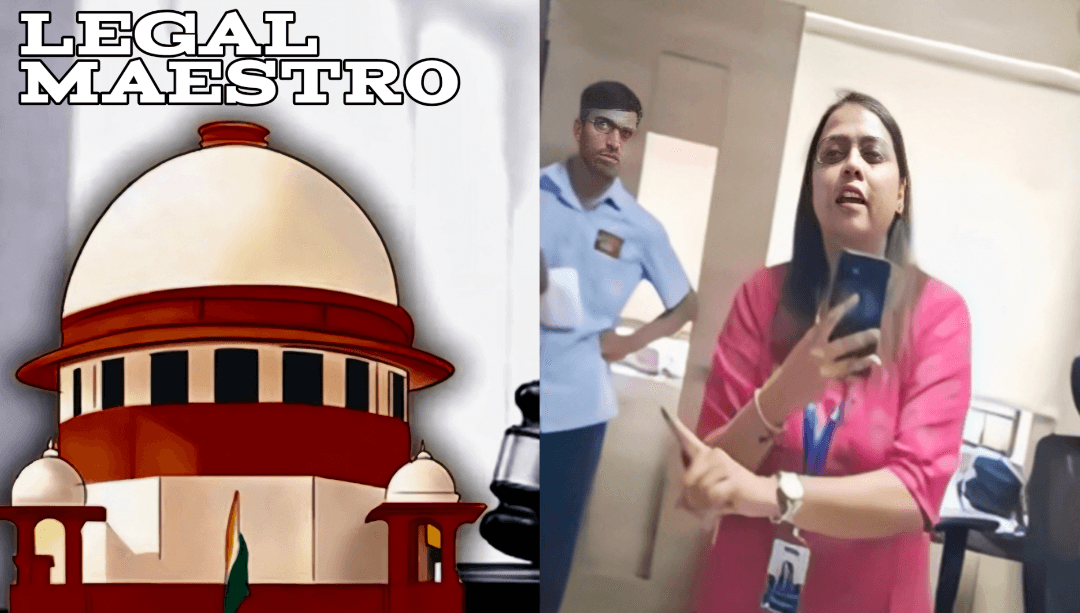
Is the Karnataka SBI Manager’s Transfer Over Language Refusal a Breach of Fundamental Rights Under Articles 14 and 19?

The Karnataka State Bank of India (SBI) branch manager who refused to speak Kannada with a customer was recently transferred, and this article investigates the circumstances around that transfer. This administrative action is evaluated to determine whether or not it violates the fundamental rights of the manager as outlined in Articles 14 and 19 of the Indian Constitution. Additionally, the significance of Article 21 is taken into consideration. The discussion provides an overview of the constitutional provisions of equality, freedom of speech, and personal liberty, as well as a review of the background for India’s language policy. Despite the fact that the transfer creates significant concerns regarding individual liberties, the essay argues that it does not constitute a violation of the constitution since the bank is obligated to follow the linguistic requirements of the local community. This is accomplished via the use of legal analysis and practical context.

Current Legal Update

Is Waqf an Essential Practice in Islam?Legal and Religious Debate Surrounding the Waqf Amendment Act 2025

The Waqf (Amendment) Act, 2025 has triggered a number of legal and religious controversies, which are discussed in this article. The essay delves into the question of whether or not Waqf is considered a vital activity in Islam. In the beginning, it provides an overview of the historical and theological foundations of Waqf. Subsequently, it examines the key provisions of the Act, which include the modification of the Mussalman Wakf Act, 1923 (Section 3) and the renaming of the 1995 Act (Section 4), the elimination of “waqf by user” (Section 6), and the implementation of gender inclusivity on Waqf boards (Section 14). In this debate, the objections brought before the Supreme Court are highlighted, and a comparison is made between secular legal reasoning and Islamic jurisprudence on certain fundamental religious activities. Lastly, it examines the ways in which the changes intend to improve openness and efficiency while yet respecting the autonomy of religious institutions.

Current Legal Update

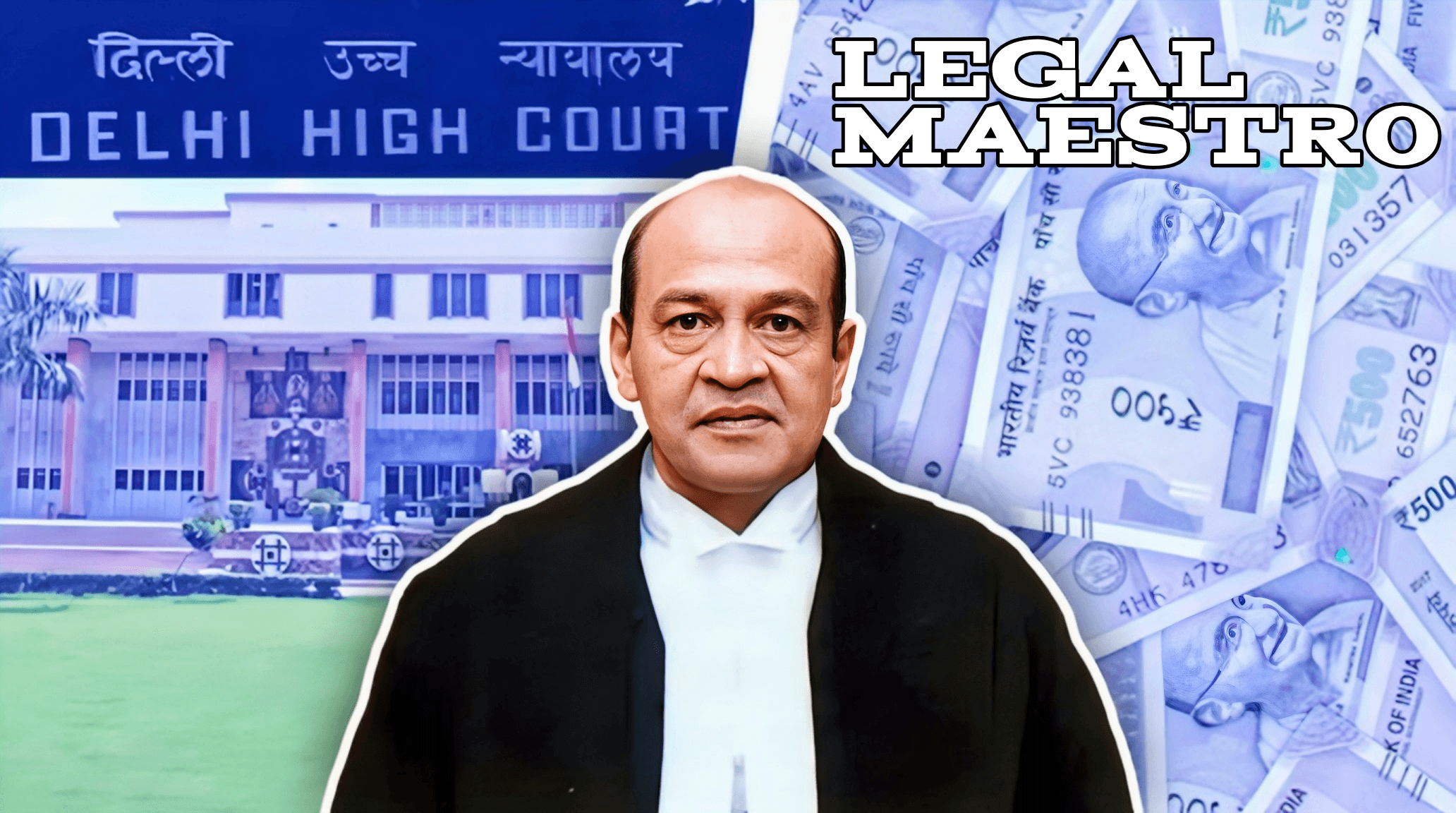
Why Supreme Court Rejected FIR Plea Against Justice Yashwant Varma in Cash Row Citing Ongoing In-House Inquiry

Several bags of Indian cash that had been partially burned were discovered by firefighters on March 14, 2025, when a fire broke out at the official residence of Justice Yashwant Varma in New Delhi. As a result of the occurrence, there was widespread media coverage, and the public became concerned about the possibility of corruption. An in-house inquiry committee consisting of three individuals was constituted by Chief Justice Sanjiv Khanna in response to the situation. Taking into consideration that the in-house investigation was still ongoing and that petitioners were required to first approach the President and Prime Minister, the Supreme Court decided not to accept a petition that demanded a First Information Report against Justice Varma on May 21. judicial accountability and judicial independence are both brought into focus by this ruling, which highlights the balance between the two.

Current Legal Update

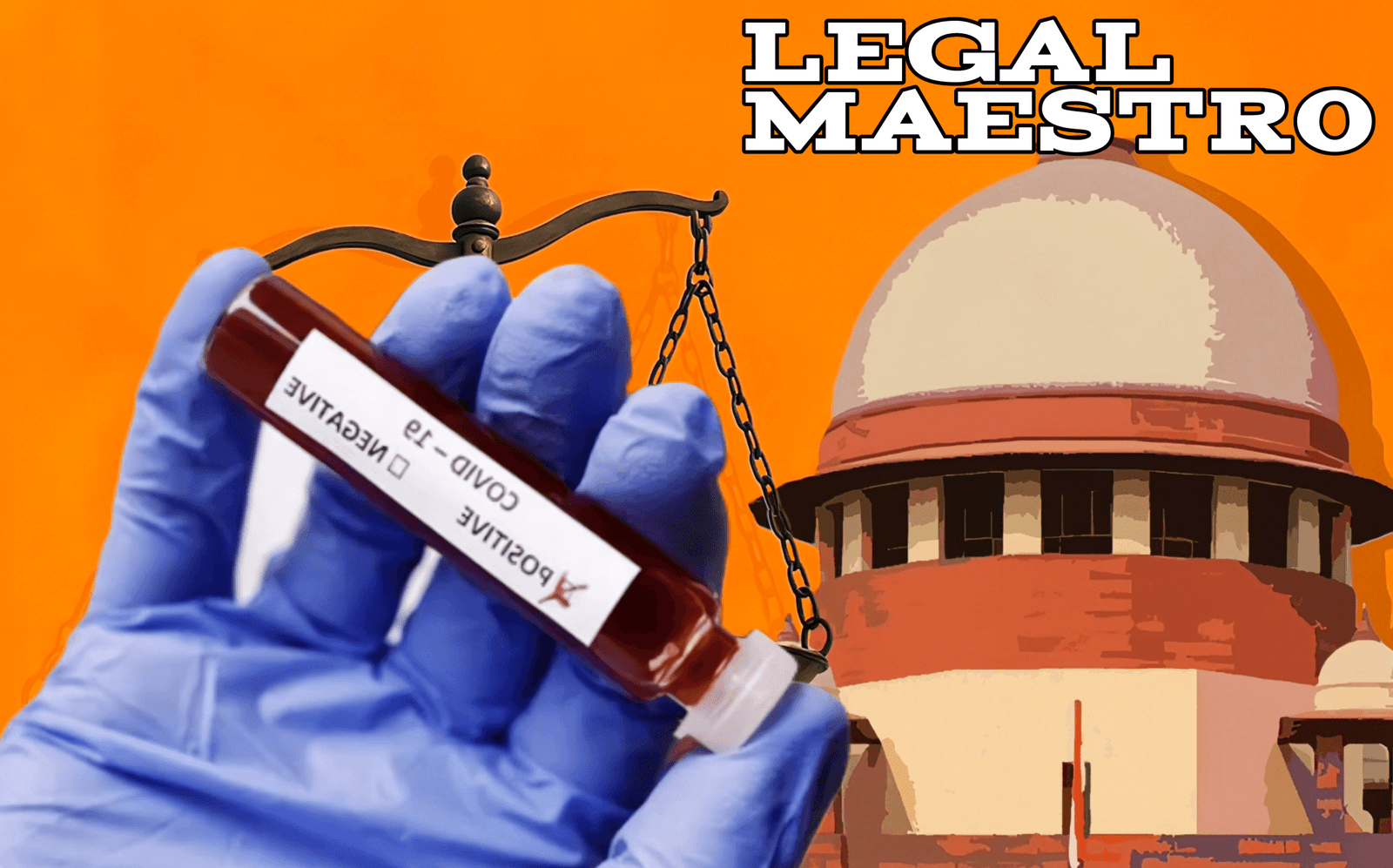
Escalating COVID-19 Cases in India Highlight Need for Robust Legal Provisions in Epidemic Control Acts

The most recent increase of COVID-19 cases across a number of Indian states highlights the vulnerabilities that exist within the legal system that governs public health in the country. In spite of the fact that the Epidemic Diseases Act of 1897 and the Disaster Management Act of 2005 have played a significant role in previous outbreaks, the provisions of these laws are currently being tested by the problems of the modern era. This article provides an analysis of the constraints that exist in terms of regulation clarity, means for enforcement, intergovernmental coordination, and protections for citizens. It recommends amending some parts, such as Section 2 of the Epidemic Diseases Act and parts 6 and 10 of the Disaster Management Act, in order to improve certain portions. These revisions would clarify responsibilities, increase penalties for non-compliance, and guarantee that decision-making is transparent. When pandemics occur, it is imperative that robust legislative reforms be implemented in order to protect public health and human freedoms.

Current Legal Update

Amit Malviya and Arnab Goswami Face FIR for False Congress Office Claim in Turkey: A Look at Goswami’s History of Alleged Fake News Cases

Two individuals have been mentioned in a First Information Report (FIR) that was submitted by the Indian National Congress. These individuals are Amit Malviya, who is the head of the social media unit for the BJP, and Arnab Goswami, who is the editor-in-chief of Republic TV. According to the allegations made in the lawsuit, they disseminated a false allegation regarding the existence of an office of the Indian National Congress in the Istanbul Congress Centre in Turkey. This article investigates the specifics of the First Information Report (FIR) and traces a pattern in Arnab Goswami’s career, showing multiple instances in the past in which his reporting met with claims of providing false information. While we are evaluating these incidents, we are also taking into consideration the more general difficulty of ensuring that Indian news media are responsible and accurate.

Current Legal Update

BJP’s Modern-Age Mir Jafar Accusation Against Rahul Gandhi Sparks Defamation Debate Under BNS Section 356

A recent statement made by leaders of the Bharatiya Janata Party (BJP) referring to Rahul Gandhi as “modern-day Mir Jafar” has caused a stir. This article provides an explanation of the meaning of the term “defamation” in Indian law and provides an overview of Section 356 of the Bharatiya Nyaya Sanhita (BNS), which addresses the issue of defamation. This study investigates whether or not the act of labeling a political leader as a “traitor” could satisfy the legal requirements for defamation. When discussing defamation, the discussion refers to decisions made by the Supreme Court as well as major cases. As part of the study, viewpoints from legal experts and political pundits are taken into consideration. The analysis compares the right to free speech with the right to reputation. In addition to this, it discusses political reactions and the manner in which defamation claims are processed in Indian politics.

Current Legal Update

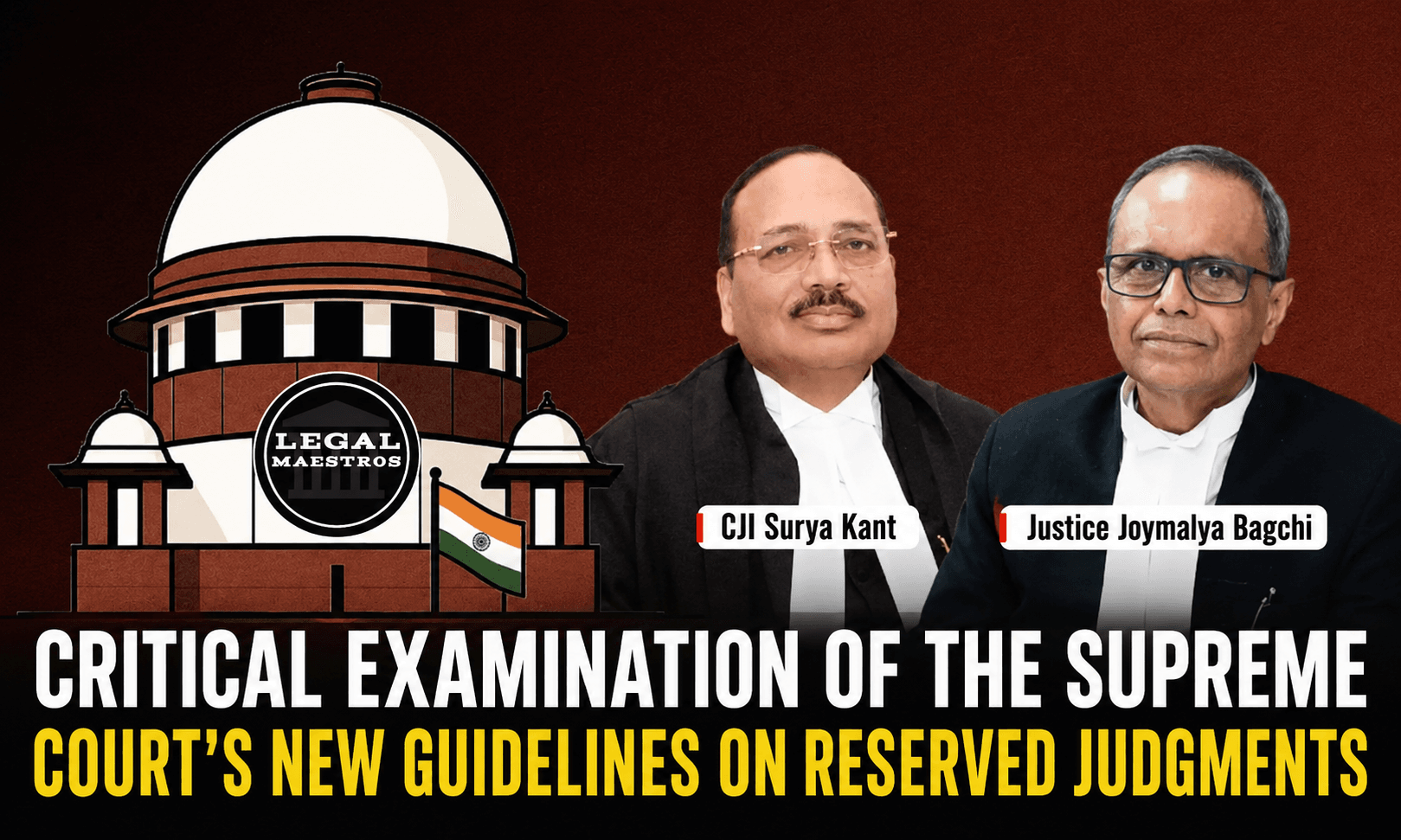
Supreme Court’s Three-Year Legal Practice Ruling Likely to Face Review Petition from Judiciary Coaching Members

The Supreme Court of India has ordered that in order for candidates to be qualified for entry-level judicial officer jobs, they must have a minimum of three years of experience working as advocates in the legal field. In contrast to the policy that had been in place for the past two decades and permitted recent law school graduates to compete for these positions, this decision represents a significant adjustment. It is the intention of this order to ensure that new judicial officers have real legal expertise, which will ultimately lead to an improvement in the quality and integrity of the judicial system. This move, on the other hand, has prompted disputes among members of the judiciary coaching community and those who are seeking to become judges. These individuals claim that it may create barriers for first-generation lawyers and impede the admission of fresh talent into justice. The ramifications of the decision made by the Supreme Court, the arguments in favor of and against the mandatory practice requirement, and the potential impact on the future of judicial recruiting in India are all discussed in this article.

Current Legal Update

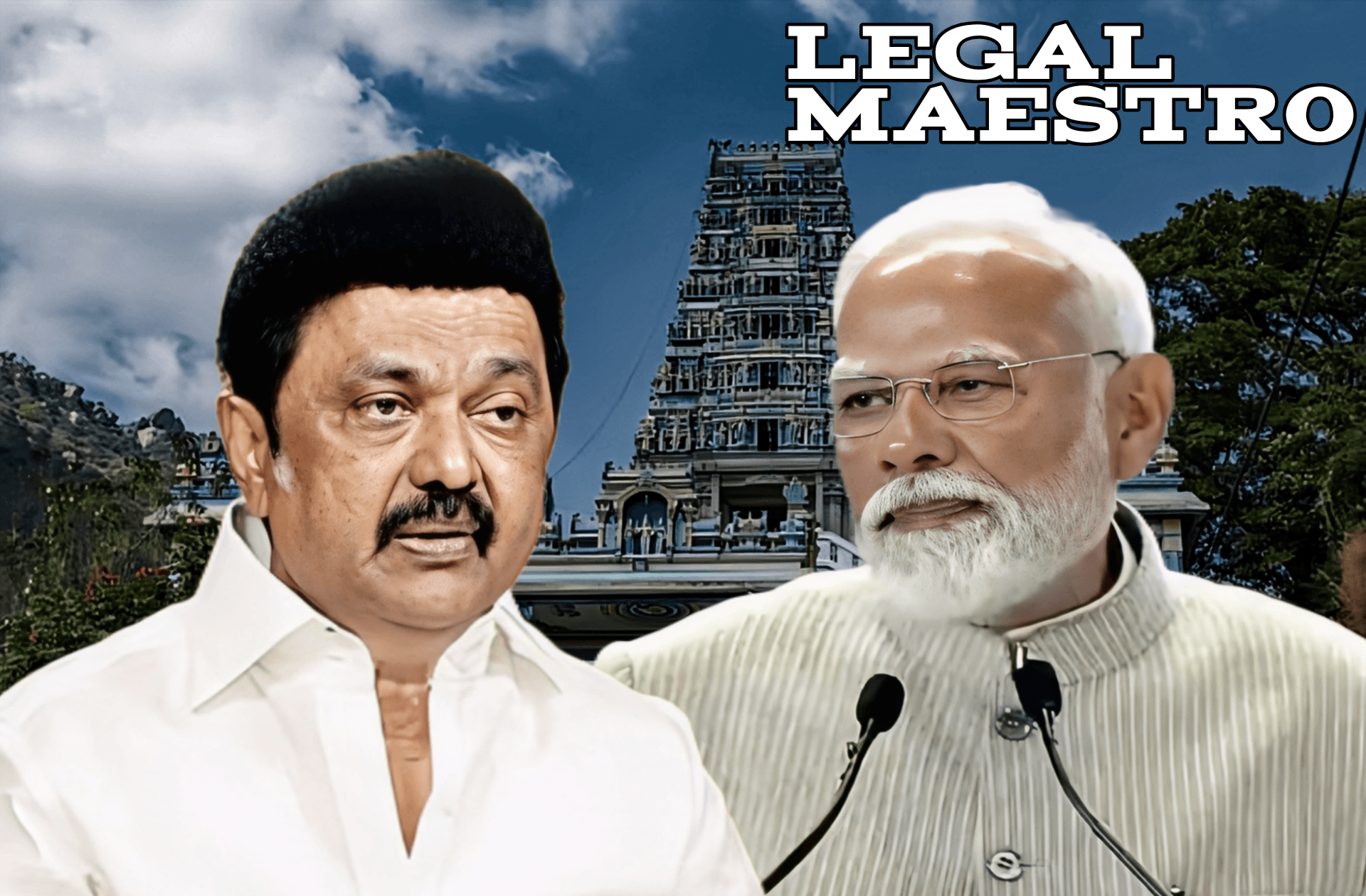
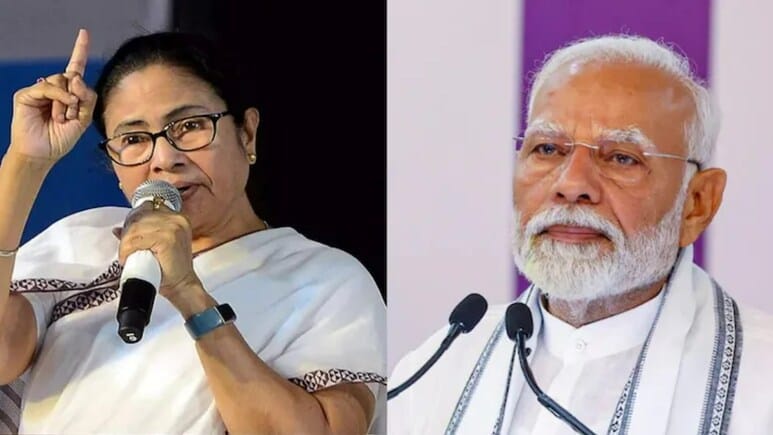
Stalin v Modi : Tamil Nadu’s Legal Battle in Supreme Court for ₹2291 Crore Samagra Shiksha Funds Release

Tamil Nadu’s Chief Minister M.K. Stalin moved the Supreme Court seeking release of ₹2,291 crore under the Samagra Shiksha scheme, arguing statutory entitlement. The Centre cited procedural lapses for withholding funds. The Court ordered partial release and timelines for compliance, underlining the balance between federal cooperation and accountability.